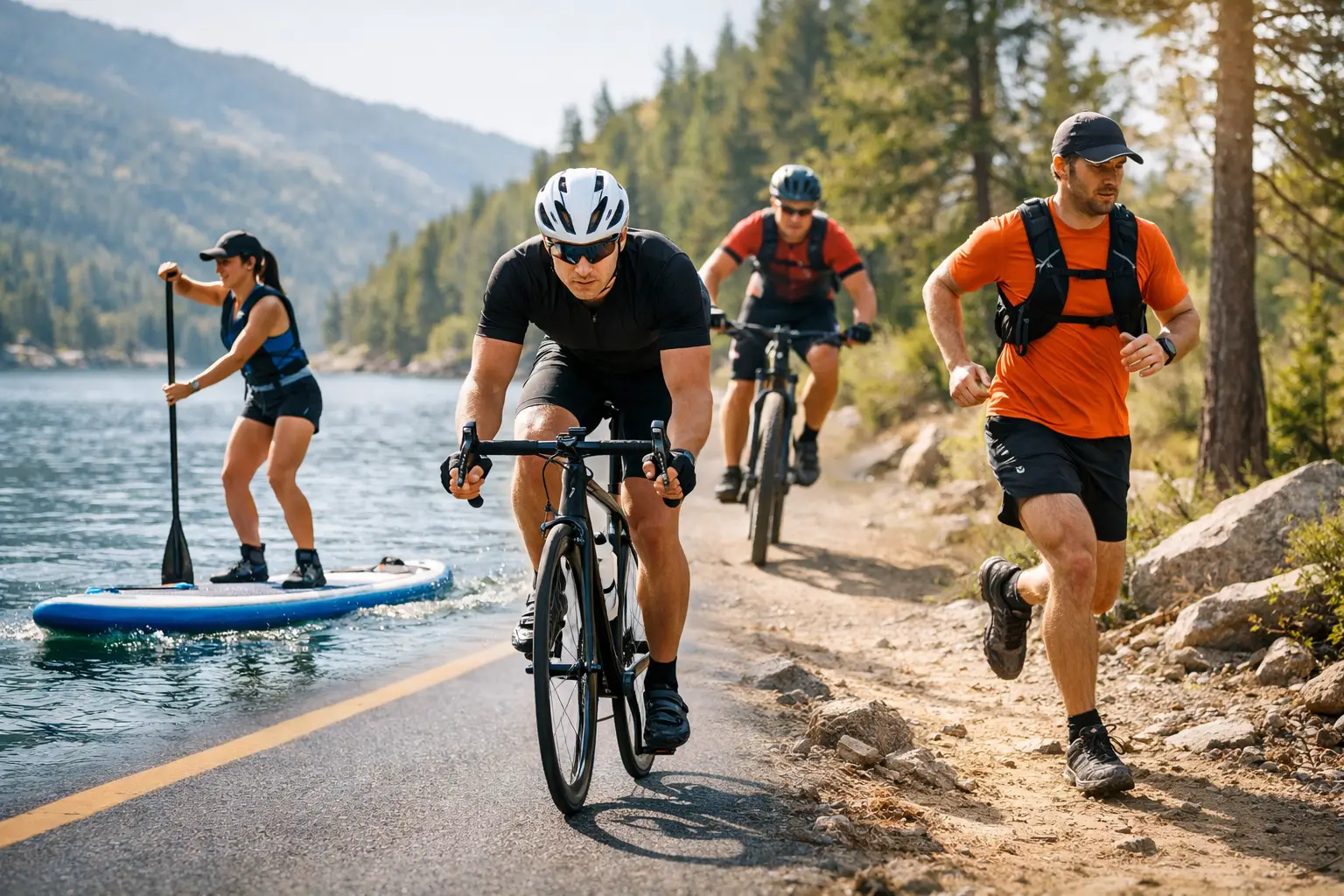
Why a Paddle Bike Run Event Feels Different
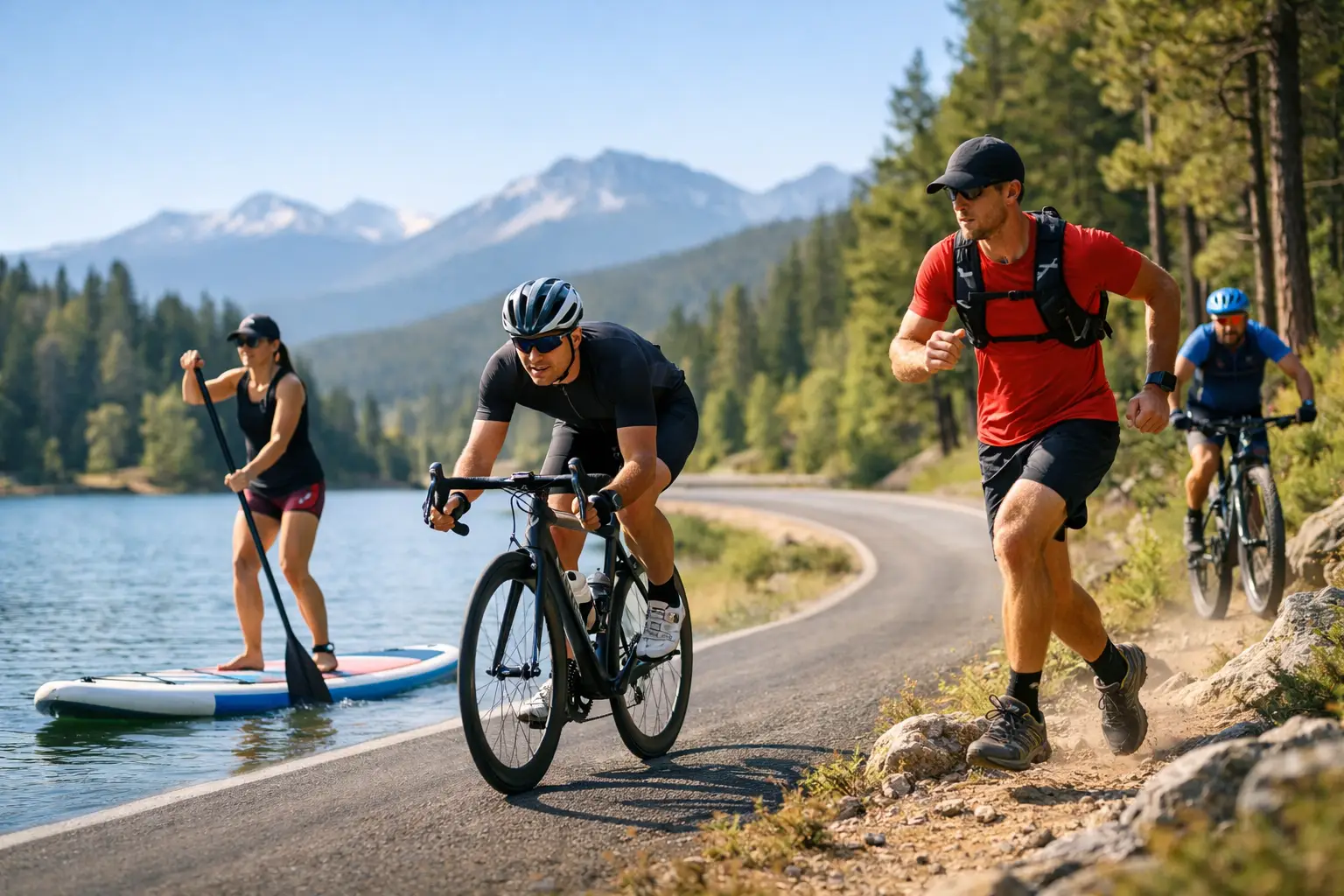
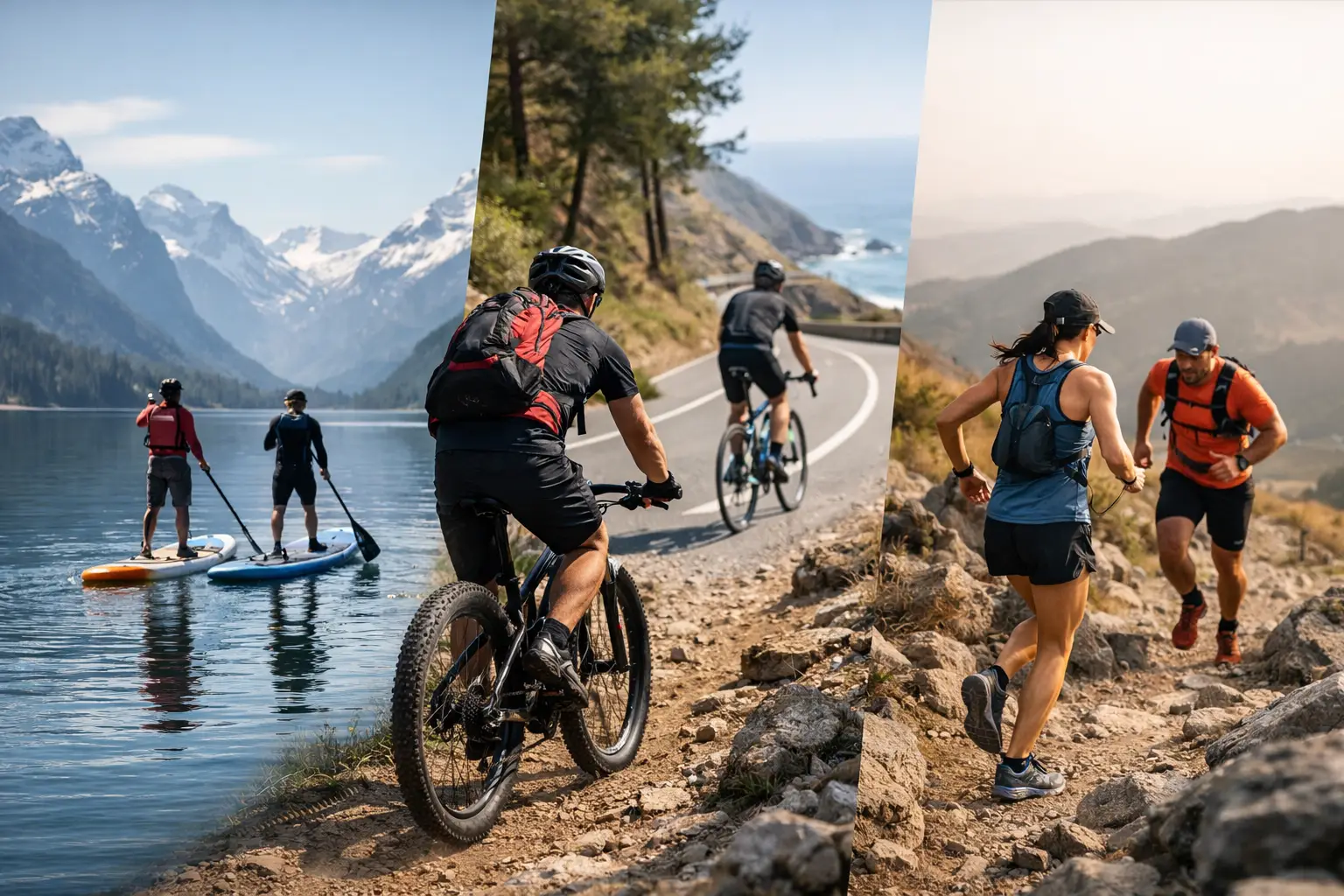
You can tell within minutes whether a race day is going to feel clinical or alive. A paddle bike run event lands firmly in the second camp. You are not staring down black lines in a pool or filing into the same old transition routine. You are stepping into open water on a board, rolling into a ride, then heading out on foot with the legs and lungs already working. It is part endurance challenge, part outdoor adventure, and that difference matters.
For plenty of active people, that is exactly the point. The appeal is not only finishing strong. It is doing something that feels bigger than a standard race format. You still get the structure, the timing, the support and the satisfaction of crossing the line, but the experience has more character. More terrain. More variety. More stories to take home.
What makes a paddle bike run event stand out
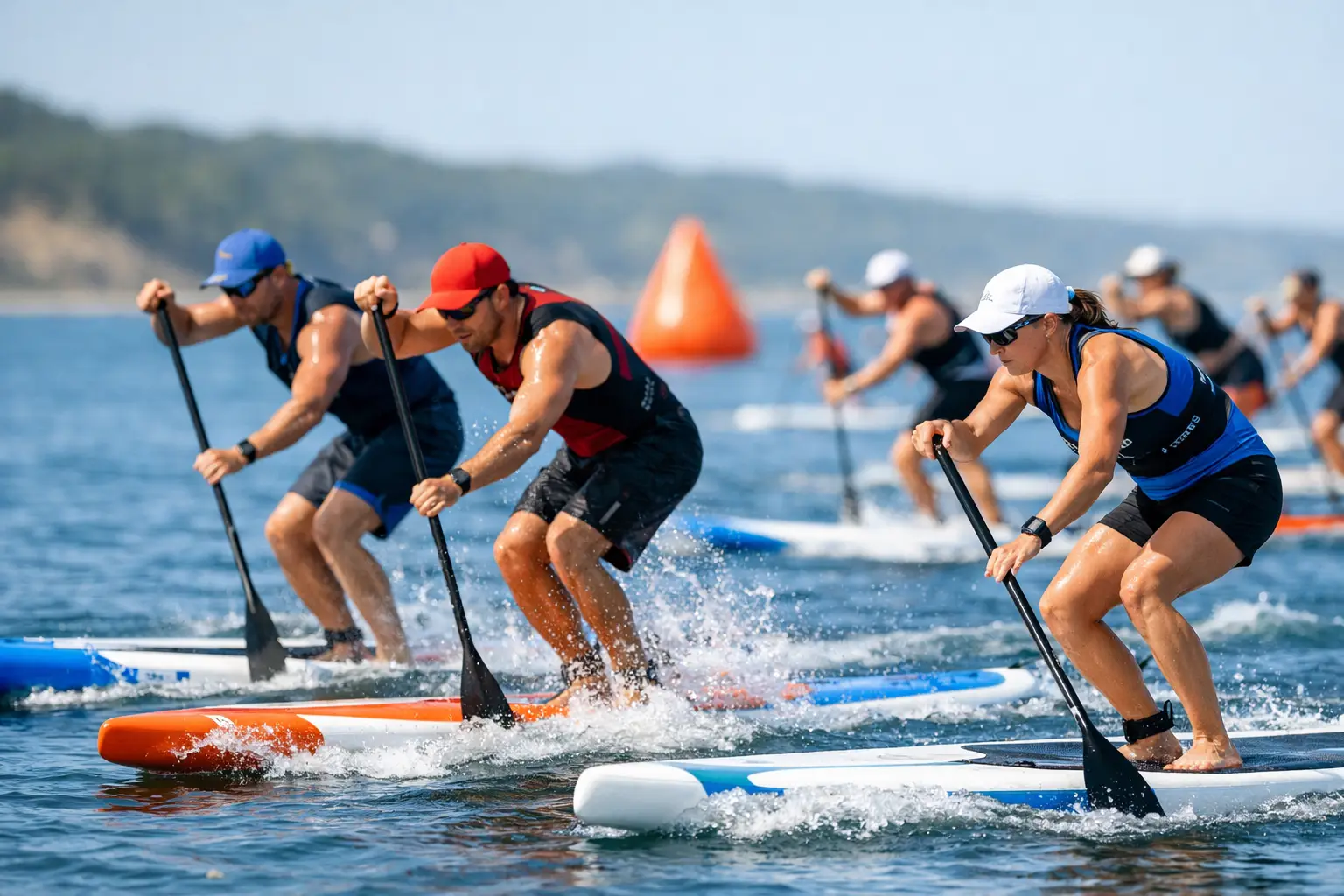
At its heart, a paddle bike run event swaps the traditional swim for stand up paddleboarding, then follows with cycling and running. That simple change shifts the whole feel of the day. Paddleboarding brings balance, rhythm and water confidence into the mix. It asks different questions of your body than a swim start, and for many entrants it feels more approachable while still being a genuine test.
That does not mean it is easier. It is just different. On a board, conditions matter. Wind matters. Technique matters. If you rush, you waste energy. If you stay calm and move well, you can make up ground without forcing it. That opening leg changes your pacing and mindset before you even reach the bike.
The bike and run sections then build on that adventure feel rather than flattening it. You are not simply ticking off disciplines. You are moving through a course that rewards adaptability, focus and a willingness to get stuck in. For athletes who want a challenge but do not fancy the standard triathlon script, that is a big draw.
Why the paddle bike run event attracts a different crowd
One of the best things about this format is the people it brings together. You will find experienced triathletes, yes, but also paddleboarders who want to test themselves on land, cyclists looking for a fresh target, runners keen for a new angle, and plenty of active adults who simply want an event with more personality.
That mix creates a better atmosphere. There is still effort, still ambition, still that buzz of race morning. But there is often less posturing and more encouragement. People compare kit, chat about conditions, laugh at the nerves and help each other settle in. It is competitive enough to feel exciting and welcoming enough to feel accessible.
That balance is hard to fake. It comes from an event culture that values enjoyment and challenge in equal measure. If you want to push for a fast result, brilliant. If you want to complete something memorable with your mates, that works too. A good paddle bike run event leaves room for both.
Adventure without chaos
There is a common assumption that outdoor events with a relaxed feel must also be loosely run. The best ones prove the opposite. A great event can feel informal in spirit while being highly organised behind the scenes.
That matters more than ever in a multi-discipline race. Participants want the thrill of open water and trail sections, but they also want clear briefings, sensible safety cover, marshalled routes, transition guidance and a team that knows exactly what it is doing. Adventure is the selling point. Good infrastructure is what lets people enjoy it properly.
For first-timers especially, that reassurance is huge. You do not need to be an elite athlete to take part, but you do need confidence that the course, logistics and event crew have your back. When that is done well, the whole day opens up. Nerves settle. People commit. The challenge becomes exciting rather than intimidating.
The real challenge of paddle, bike, run
If you have only ever raced in one discipline, it is easy to underestimate how this format stacks fatigue. The paddle leg asks for balance, shoulder endurance and core control. The bike rewards steady output and smart pacing. The run exposes every rushed decision you made earlier.
That is where the event gets interesting. There is no perfect athlete profile. Strong riders still need to manage the paddle well. Good runners still need enough in the tank to finish strongly. Skilled paddlers still have to transition smoothly and hold form on the bike. The challenge is broad, and that makes it satisfying.
It also means preparation should be realistic. You do not need a professional training plan to get started, but you do need time on the board, confidence in your riding and enough running fitness to cope with tired legs. If one discipline is weaker, be honest about it and train accordingly. The goal is not to become flawless. It is to arrive ready to enjoy the day and handle what it throws at you.
Who is a paddle bike run event actually for?
More people than you might think. If you already enjoy endurance sport, the format gives you a fresh target without losing the structure and achievement that make race day special. If you come more from the adventure side, it offers a challenge that feels less rigid than many mainstream events.
It can also suit people who have never felt fully at home in traditional triathlon. Some are put off by pool-based training or mass swim starts. Others want something less formal, less repetitive and more connected to the outdoors. A paddle bike run event offers that alternative without lowering the bar. You still have to earn your finish.
There is an important caveat, though. Not every event suits every person at every stage. If you are brand new to paddleboarding, have limited bike handling confidence or are returning from injury, it may be smarter to build up gradually rather than throwing yourself straight into a bigger course. Challenge works best when it is matched to where you are now, not where you think you should be.
Why the experience lasts beyond race day
The strongest events stay with you because they are not only about splits and rankings. They create a full day out. There is the build-up, the kit prep, the atmosphere around transition, the support on course, the finish line feeling and the post-race chat that turns strangers into future training partners.
That is where event culture really counts. A paddle bike run event can feel like a race, a weekend plan and a community gathering all at once. Add camping, supporters, volunteers and a proper outdoor setting, and it becomes something people want to come back to year after year.
For brands and workplace teams, that same quality makes the format especially powerful. It is active, social and memorable without feeling forced. People share the challenge, support each other through the hard moments and come away with a stronger sense of having done something real together. Team-building can be a tired phrase. This kind of day gives it actual meaning.
Paddle bike run event culture in the UK
The UK is made for this sort of challenge. We have a strong community of cyclists, runners and paddleboarders, and a growing appetite for events that feel less polished-for-show and more rooted in genuine outdoor experience. People want challenge, but they also want scenery, atmosphere and a reason to keep talking about the day once it is over.
That is why this format keeps gaining traction. It blends endurance sport with adventure culture in a way that feels current and credible. It is tough, but not joyless. Organised, but not stuffy. Inclusive, but not watered down.
That combination is a big part of why SUPBIKERUN stands out. It captures the spirit that many participants have been looking for – a proper challenge delivered with energy, support and a welcome that makes people want to get involved.
Is it worth giving it a go?
If you want a race that feels different from the moment you arrive, yes. If you want a challenge that rewards fitness, adaptability and a bit of grit, yes. If you like the sound of open water, two wheels and trails rather than lane ropes and routine, it is probably closer to your kind of event than you think.
You do not need to be the fastest person on the start line. You do need a willingness to try something bold, prepare properly and embrace the full experience. That is what makes this format special. It asks a lot, but it gives plenty back.
Some events are over as soon as the result is posted. A good paddle bike run day hangs around in your head for much longer – in the sore legs, the photos, the course stories and the quiet thought that next time, you could go even better.