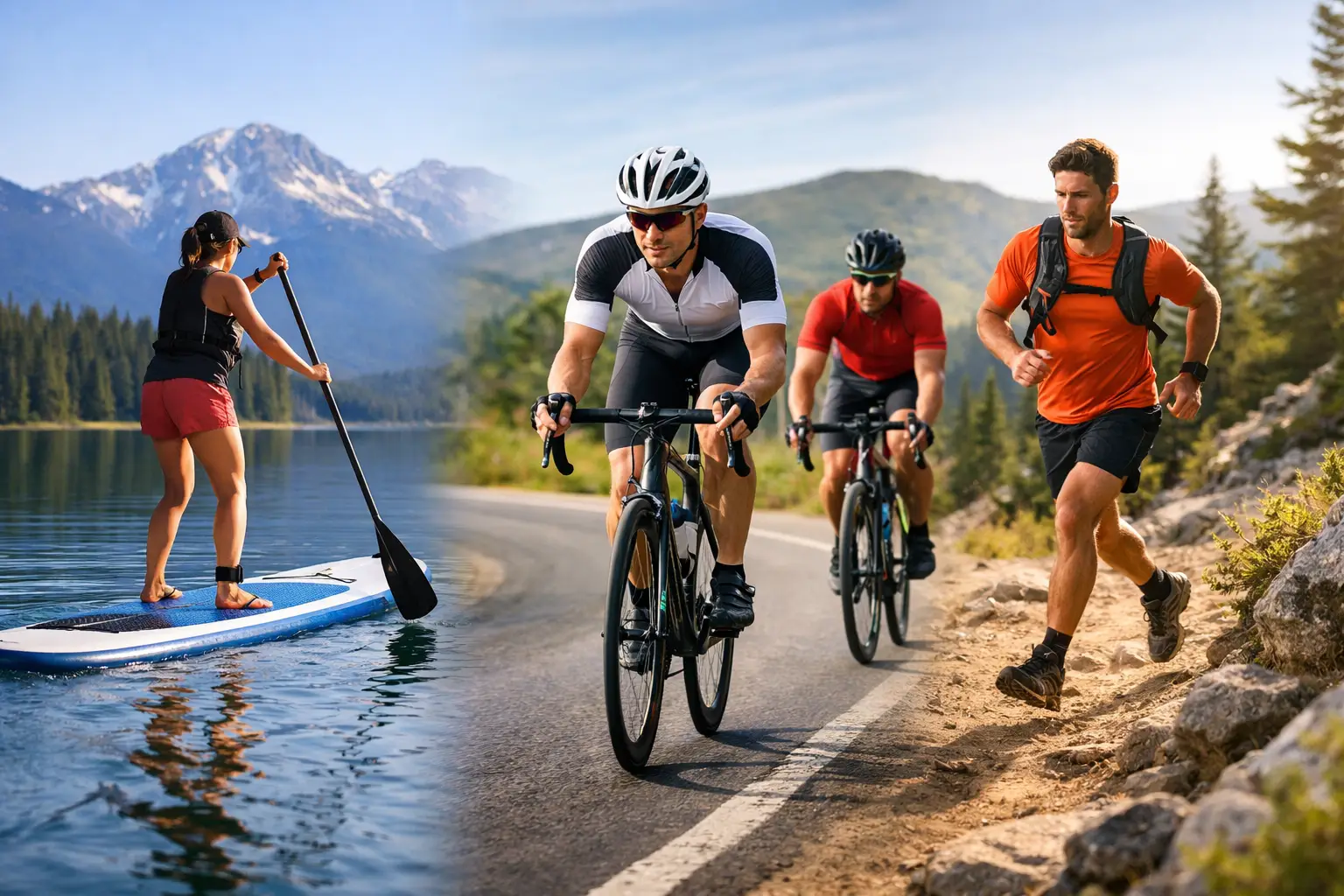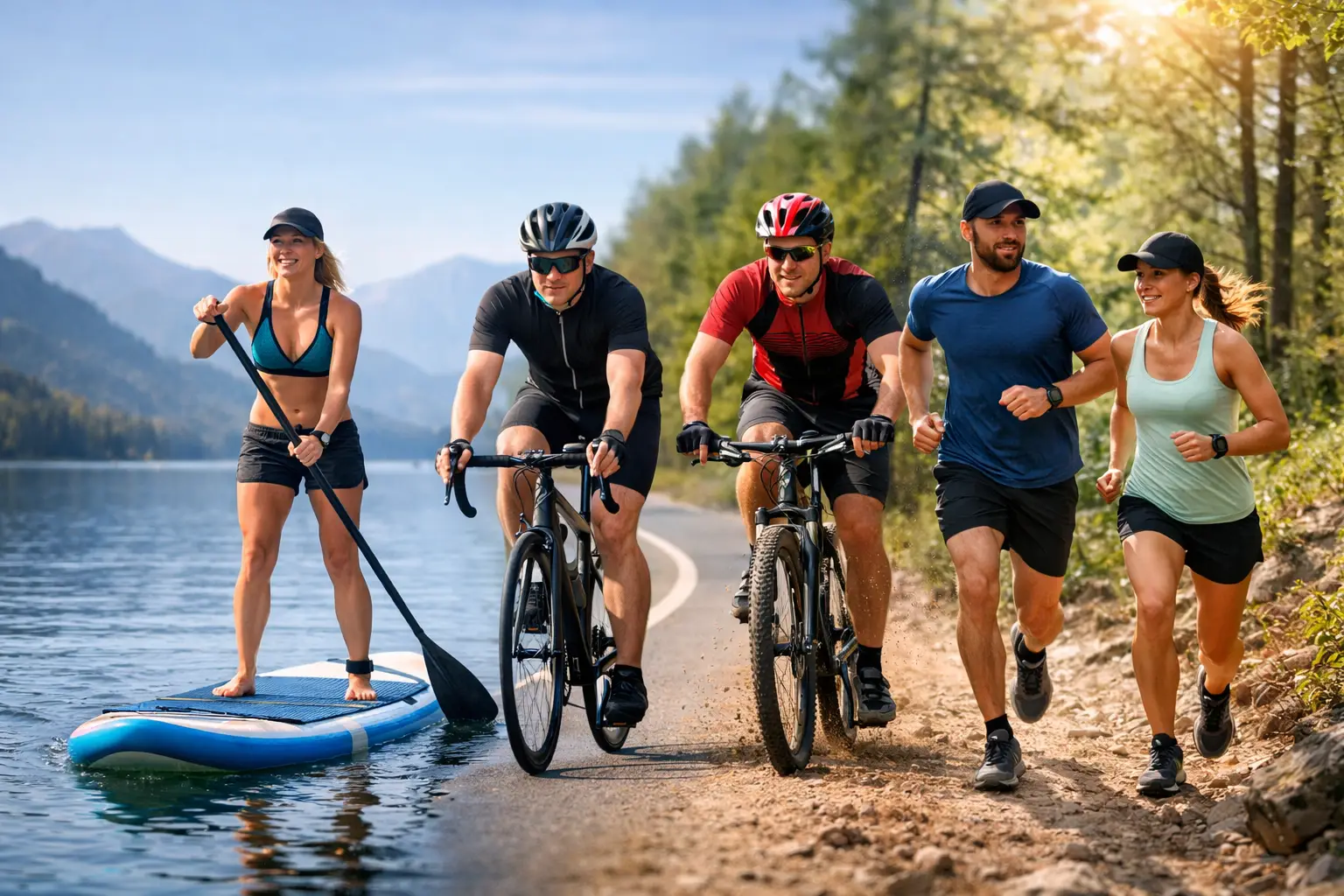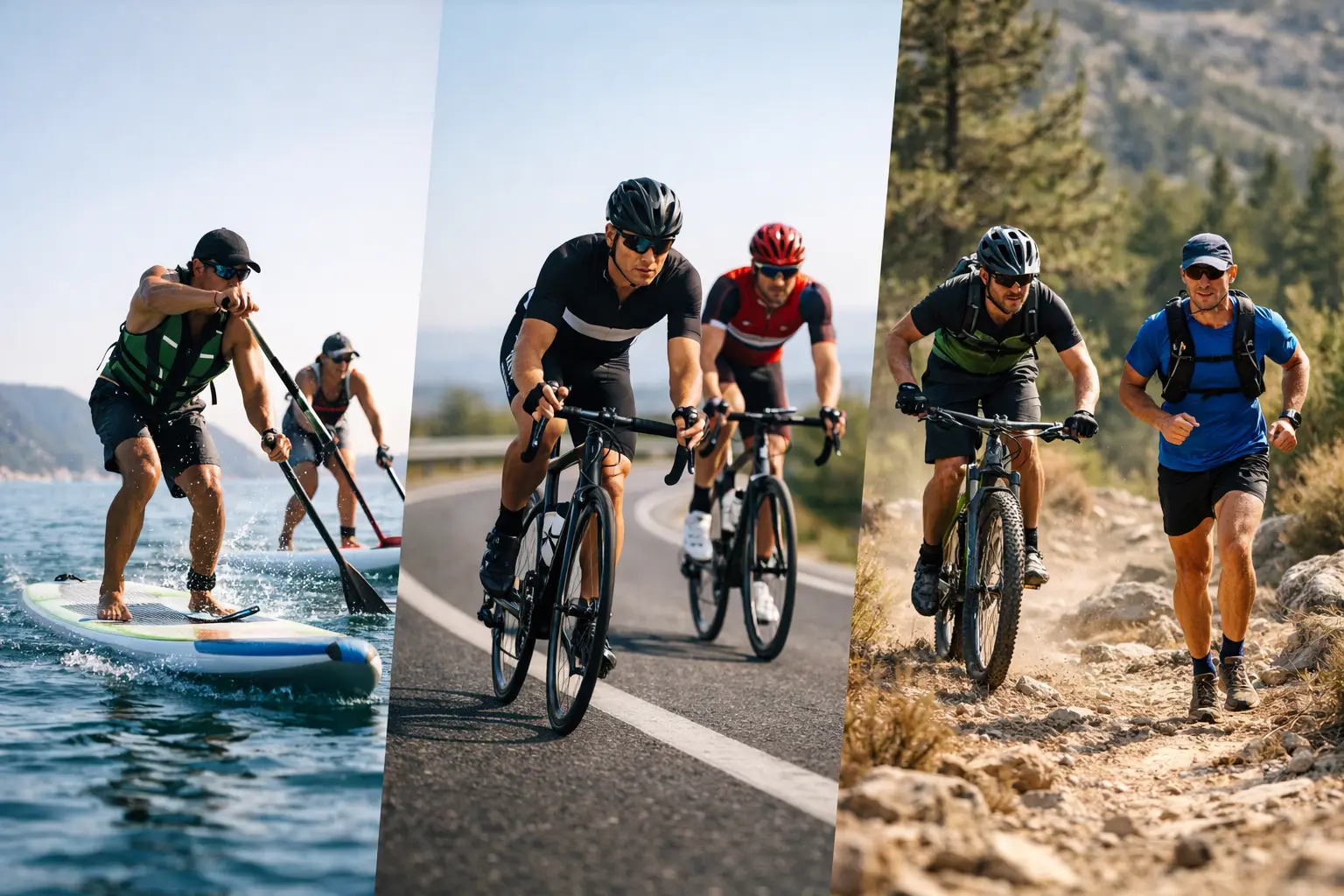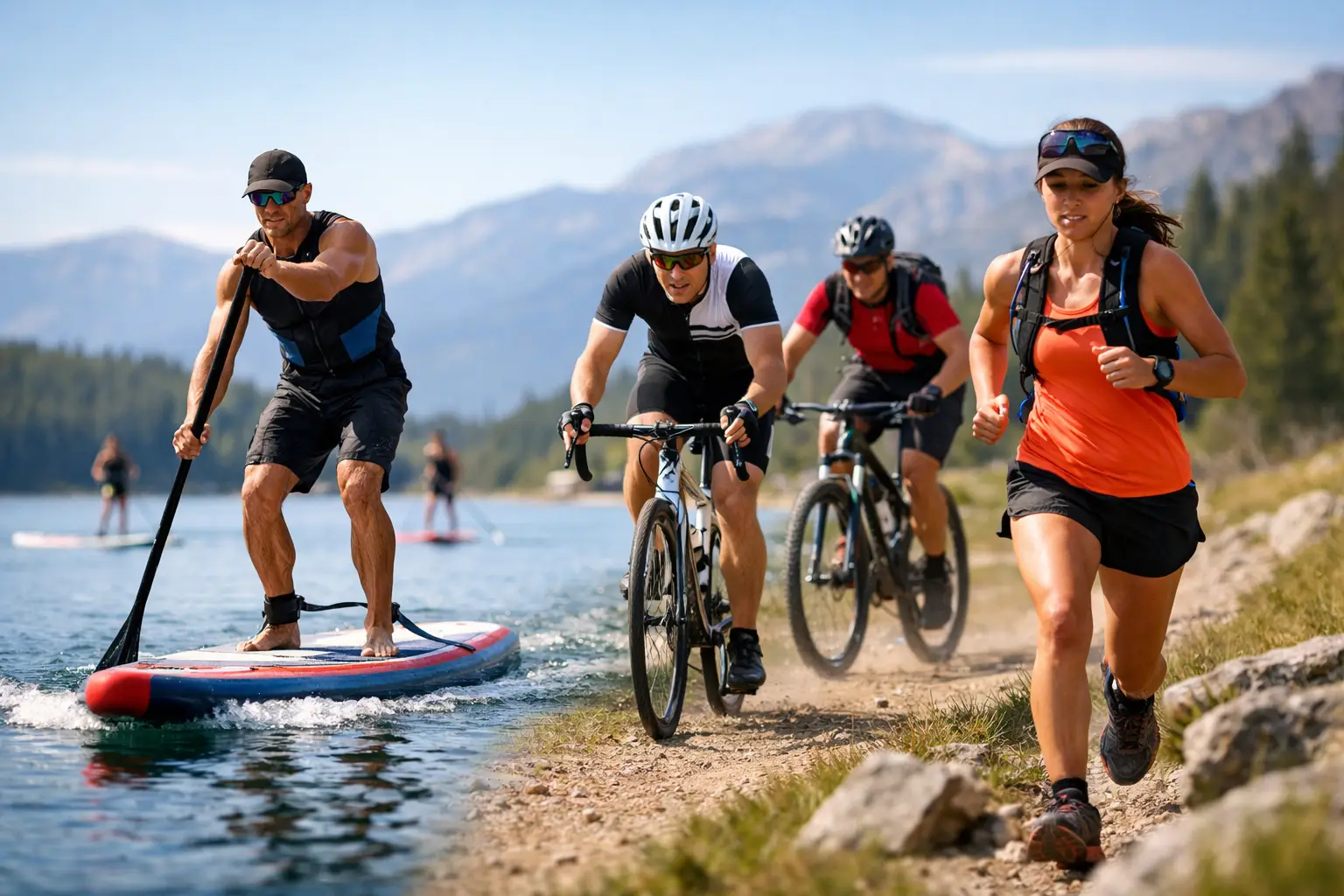

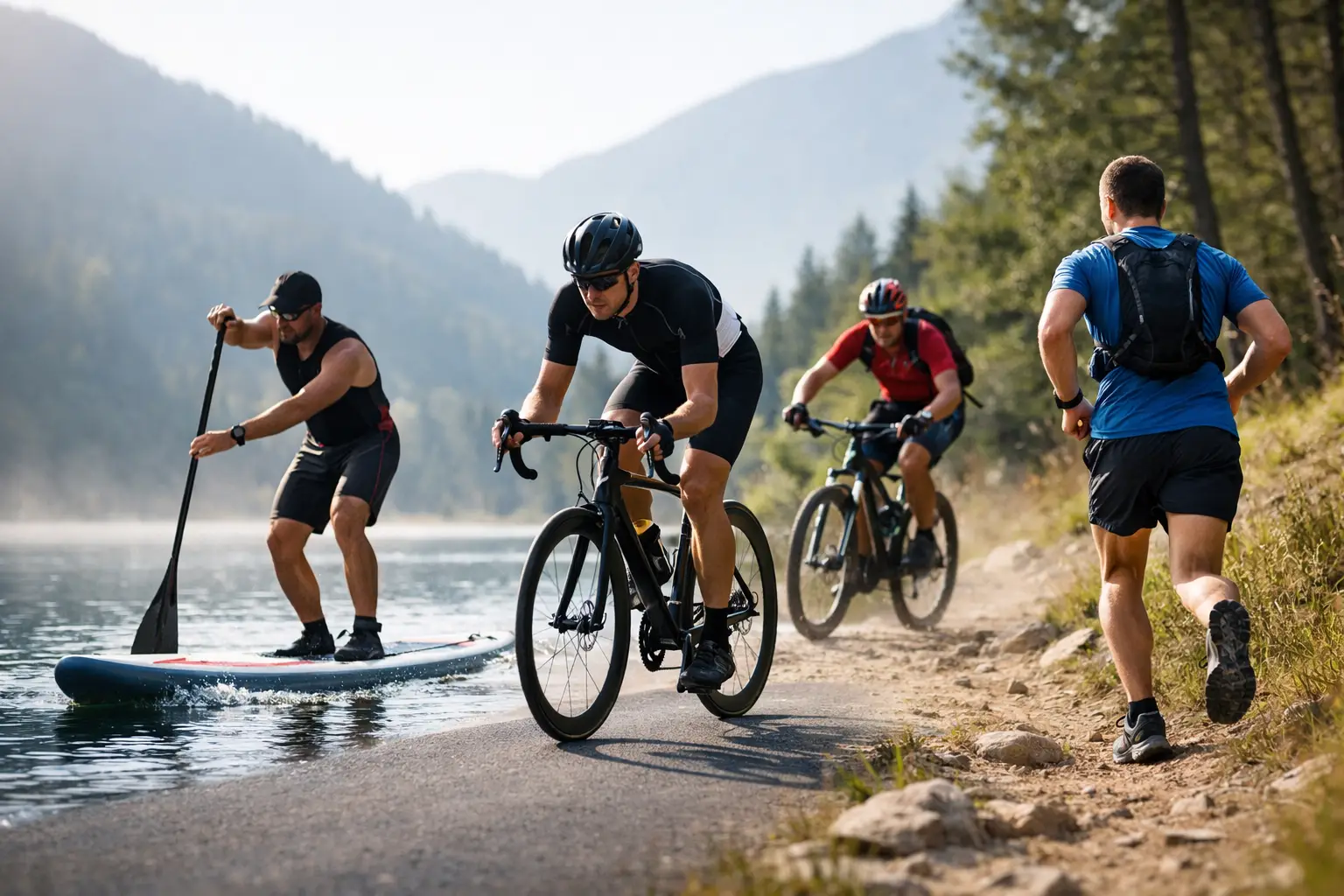
How to Pace a Multi Sport Race Properly
The biggest pacing mistake in any multi-discipline event happens before the first proper wobble on tired legs. It starts when adrenaline convinces you that the opening section feels easy, so you push a little harder than planned and promise yourself you will settle later. Later rarely arrives. If you want to know how to pace multi sport race efforts well, the answer is simple in theory and harder in practice – stay controlled early, stay honest in the middle, and leave enough in the tank to race the final third.
That matters even more in an adventure format. Paddle, bike and trail run do not reward the same kind of effort at the same time. Water conditions change. Trails bite back. Transitions can either reset you or quietly steal minutes and composure. Good pacing is not about being conservative for the sake of it. It is about being smart enough to keep moving well when the race stops feeling fresh.
How to pace multi sport race efforts from the start
The start line is noisy, exciting and usually a terrible place to make decisions. Your pacing plan needs to be made beforehand, then trusted when everyone around you charges off like it is a ten-minute blast. Multi sport racing rewards athletes who can hold back just enough to keep their technique, breathing and fuelling under control.
Think of the whole event as one long effort with changing demands, not three separate races. If you attack the first leg to gain a small advantage, you often pay for it twice – once on the next discipline and again later when your energy dips. The strongest racers are rarely the ones working hardest in the opening section. They are the ones still moving with purpose when everyone else is managing damage.
A useful benchmark is this: you should feel like you are racing, but not straining, in the early phase. You want a pace you can sustain without fighting your own body. If your breathing is ragged, your shoulders are tense, or your form is falling apart in the first quarter, you have gone too hard.
Pace each discipline differently
A multi sport race is not won by using the same effort everywhere. Each leg has its own cost, and that cost depends on terrain, technical skill and your own strengths.
Paddle with patience
Paddleboarding can feel deceptively calm at the start, especially if the field spreads quickly and you want to stay attached to stronger paddlers. The trap is upper-body fatigue. Burn your shoulders and core too early and you do not just lose speed on the board – you make the bike and run less efficient as well.
Aim for smooth, repeatable strokes and rhythm before speed. A slightly steadier paddle with clean technique is usually faster overall than a frantic start followed by fading. Conditions matter too. Into wind or chop, hold your effort rather than chasing a specific speed. With easier water, take the free speed and keep your heart rate under control.
Bike with discipline
The bike is where many athletes overcook it because it feels mechanically easier to push on. On fresh legs, you can convince yourself that a hard effort is sustainable. On mixed terrain, especially rolling or off-road sections, that confidence can disappear quickly.
Ride at an effort that lets you stay efficient over the whole leg. On climbs, avoid spikes that force you deep into the red unless the section is very short and you know you recover well. On flatter stretches, settle into a strong but sustainable rhythm. The bike should set up your run, not sabotage it.
This is where honesty matters. If overtaking someone costs a big effort, ask whether it is worth it. Sometimes it is. Often it is ego dressed up as strategy.
Run with intent
The run is where pacing decisions become visible. If you have judged the earlier sections well, you can attack the trail with purpose. If not, the run becomes survival mode.
Start the run a fraction easier than you think you should. Let your legs adjust after the bike. Trail running adds another layer because gradients, footing and technical sections can distort your sense of pace. Judge your effort by breathing, posture and control, not by forcing a flat-speed mindset onto uneven ground.
If you still feel strong in the second half of the run, that is your moment to race properly. Passing people late feels better than regretting the first half.
Use effort, not just pace
If you are wondering how to pace multi sport race day without overthinking every split, focus on effort first. In adventure racing formats, external pace is affected by too many variables to be your only guide. Wind, current, mud, climbs and narrow trails can all make one section look slower on paper while actually costing more energy.
Perceived effort is underrated. It works because it accounts for the reality of the course. Heart rate can help if you use it in training and know your zones, but it is not perfect in transitions or on technical sections. Power is useful on the bike if you train with it, though not essential for most participants.
The key is consistency. A race paced well usually feels controlled, then demanding, then properly hard near the end. A race paced badly feels exciting, then uncomfortable, then grim.
Fuel your pace or your pace will fail
Pacing and fuelling are tied together. You cannot hold a smart effort if your energy intake is poor. Many athletes talk about pacing as if it is only about discipline, but a perfectly judged race can still unravel if you leave fuelling too late.
Start topped up, then eat and drink early enough that your body can use what you take in. Waiting until you feel empty is a losing move. On longer events, small regular intake tends to work better than one big catch-up. Fluids matter just as much, especially if the weather is warm or the course is exposed.
The right amount depends on duration, intensity and your gut tolerance, so test this in training. Race day is not the time to experiment with heroic quantities of gels or a random bottle mix your mate swears by.
Transitions are part of your pacing plan
Transitions can trick athletes into two opposite mistakes – rushing chaotically or switching off completely. Neither helps. Good pacing includes transitions because they affect heart rate, focus and momentum.
Move with intent, but stay composed. Know what order your kit goes on, what you are eating, and what matters most before you arrive. A frantic transition can spike your effort and rattle your concentration. A sleepy one leaks time and dulls your race edge.
Treat each transition as a reset point. Quick body check. Quick fuelling check. Then back to work.
Train the pace you want to hold
You do not learn pacing from guesswork. You learn it by practising under conditions that resemble the event. That means linking disciplines, not just training them in isolation.
Brick sessions are useful because they teach restraint. A hard bike followed by a scrappy run often reveals that your idea of sustainable effort is a bit optimistic. Paddle-to-bike and bike-to-run combinations help you understand where your breathing settles, what your legs do when they first change discipline, and how much intensity you can carry without falling apart.
Race simulation sessions are even better if you keep them realistic. Practise fuelling, transitions and course-style terrain. If your event includes trails, train on trails. If your paddle leg is likely to be choppy, spend time on imperfect water. A confident pacing plan comes from evidence, not hope.
Know your strength, but do not hide in it
Every athlete has a discipline they trust. The temptation is to overuse it. Strong cyclists often try to build too much advantage on the bike. Strong runners sometimes hold back so much earlier on that they leave time behind. Strong paddlers can get carried away by clean water and early position.
Play to your strengths, but do it within the shape of the whole event. If one leg is your weapon, use it with control, not recklessness. The goal is not to win your favourite section. The goal is to produce the best total race.
This is where a well-run event environment helps as well. In a format like SUPBIKERUN, the atmosphere is adventurous and welcoming, but the challenge is real. That balance encourages smart racing. You can enjoy the day and still take your pacing seriously.
The best pacing plan is flexible
Even the best plan might need adjusting. Weather turns. Kit feels off. Your legs respond differently than expected. Good pacing is not rigid. It is responsive.
If conditions are tougher than forecast, lower your targets and protect your run. If you feel unexpectedly strong deep into the race, press on gradually rather than all at once. If something starts unravelling, do not panic and force the issue. Regain rhythm, fuel, settle, then rebuild.
That is the real skill. Not sticking to a fantasy split sheet at all costs, but making smart calls while the race is moving around you.
The best multi sport racers are not always the flashiest starters. They are the ones who stay smooth when others get scrappy, keep making good decisions when the day gets hard, and reach the finish feeling like they truly raced it rather than simply survived it. Pace it that way, and the whole event opens up.