
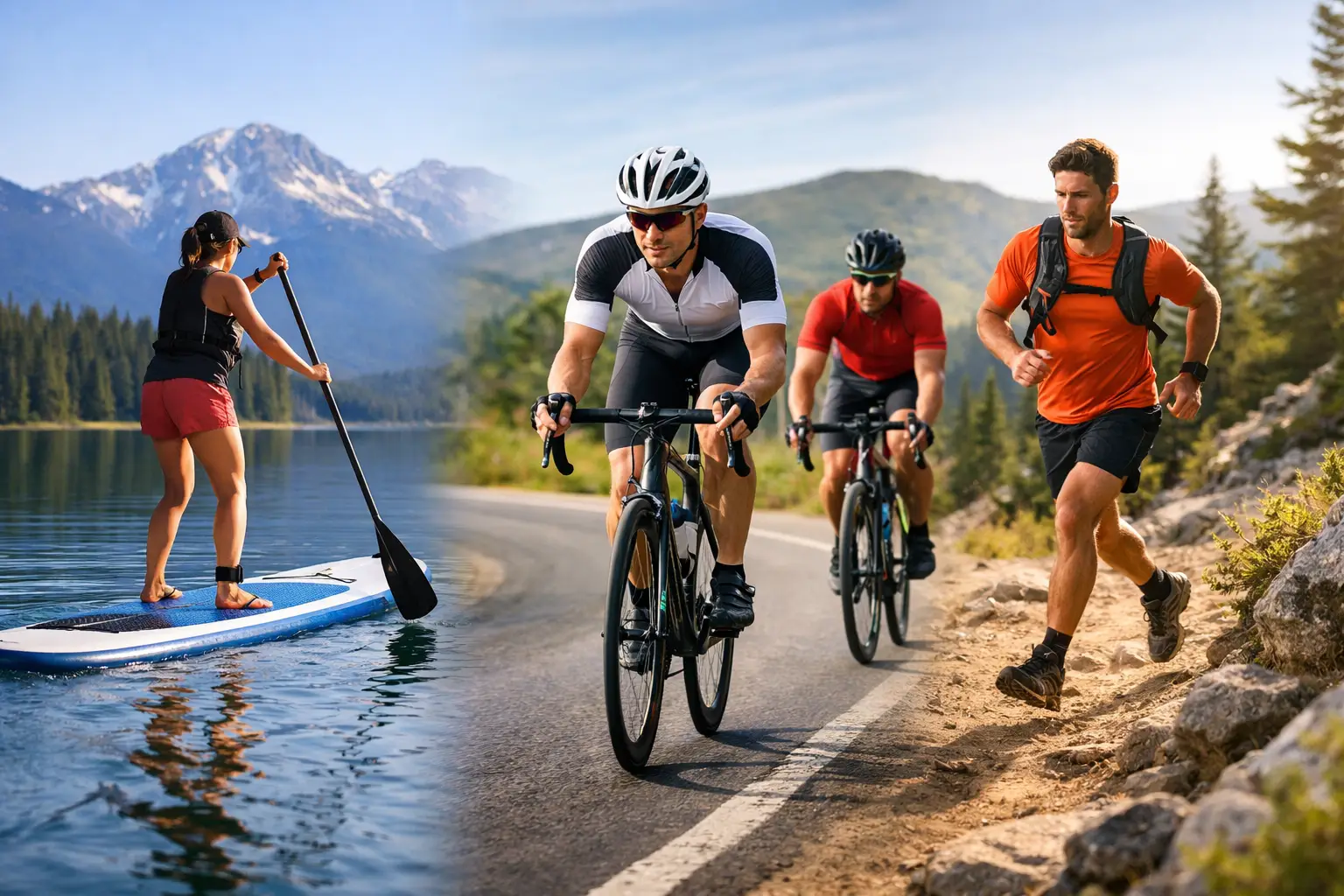
How to Train for Paddle Bike Run
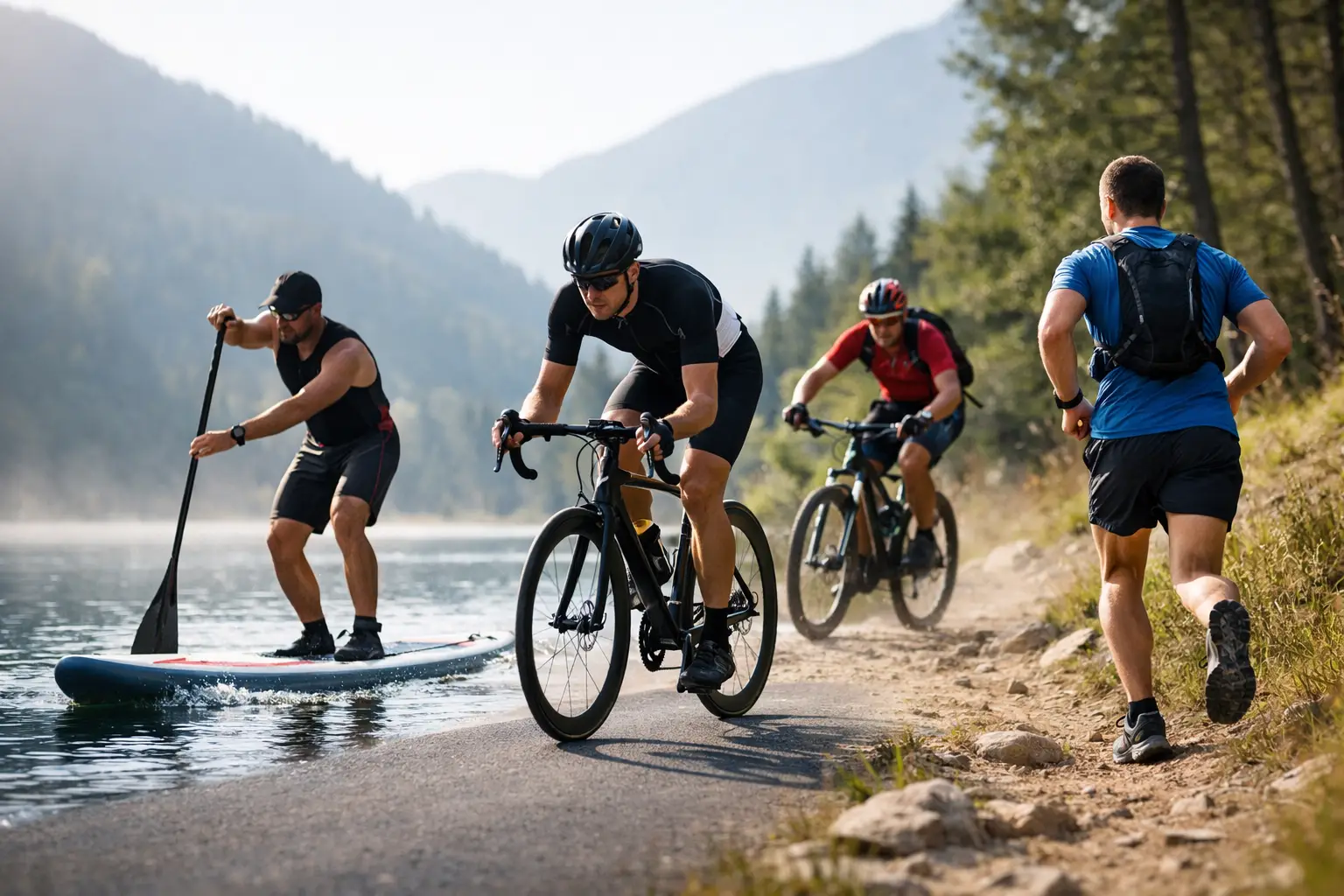
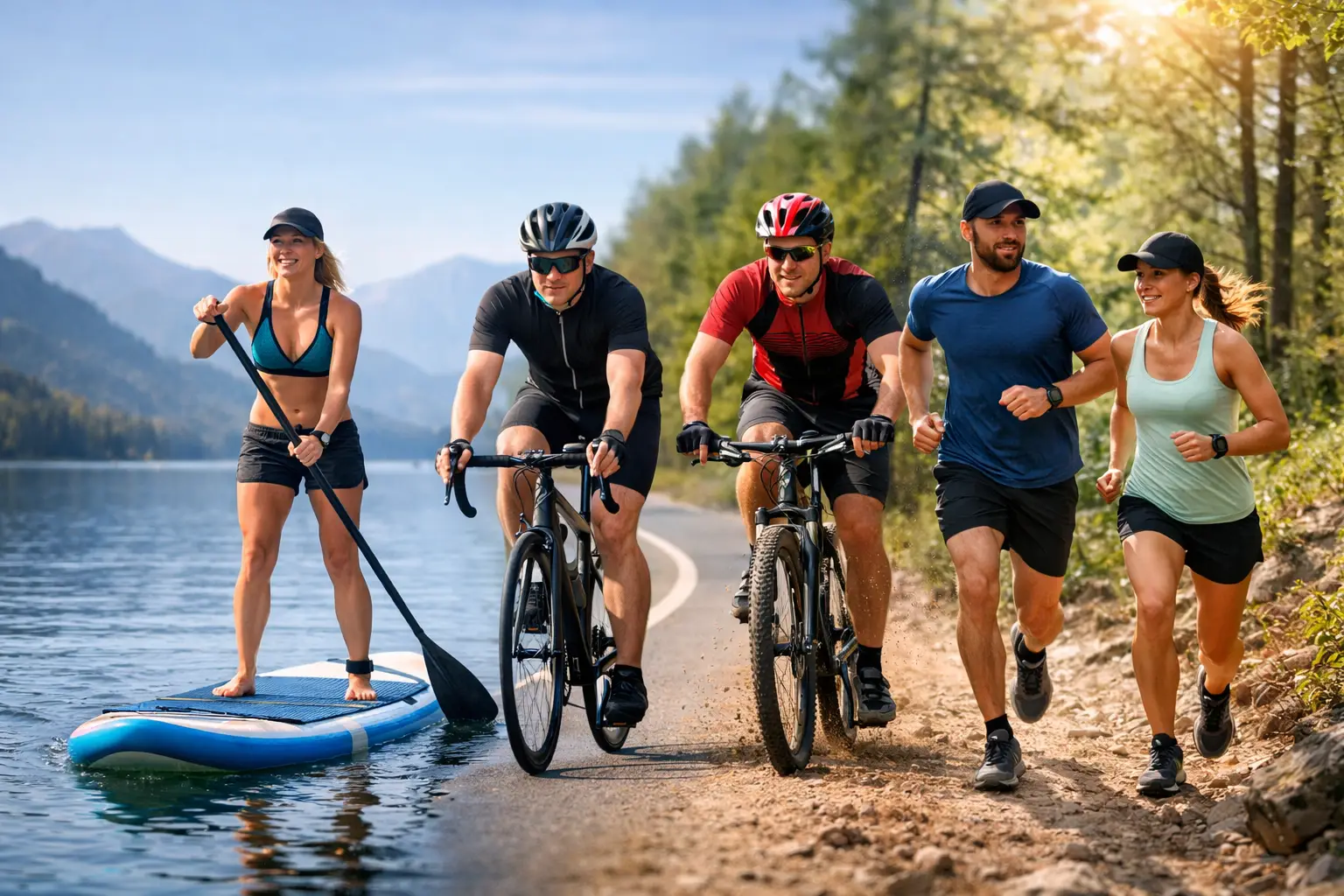
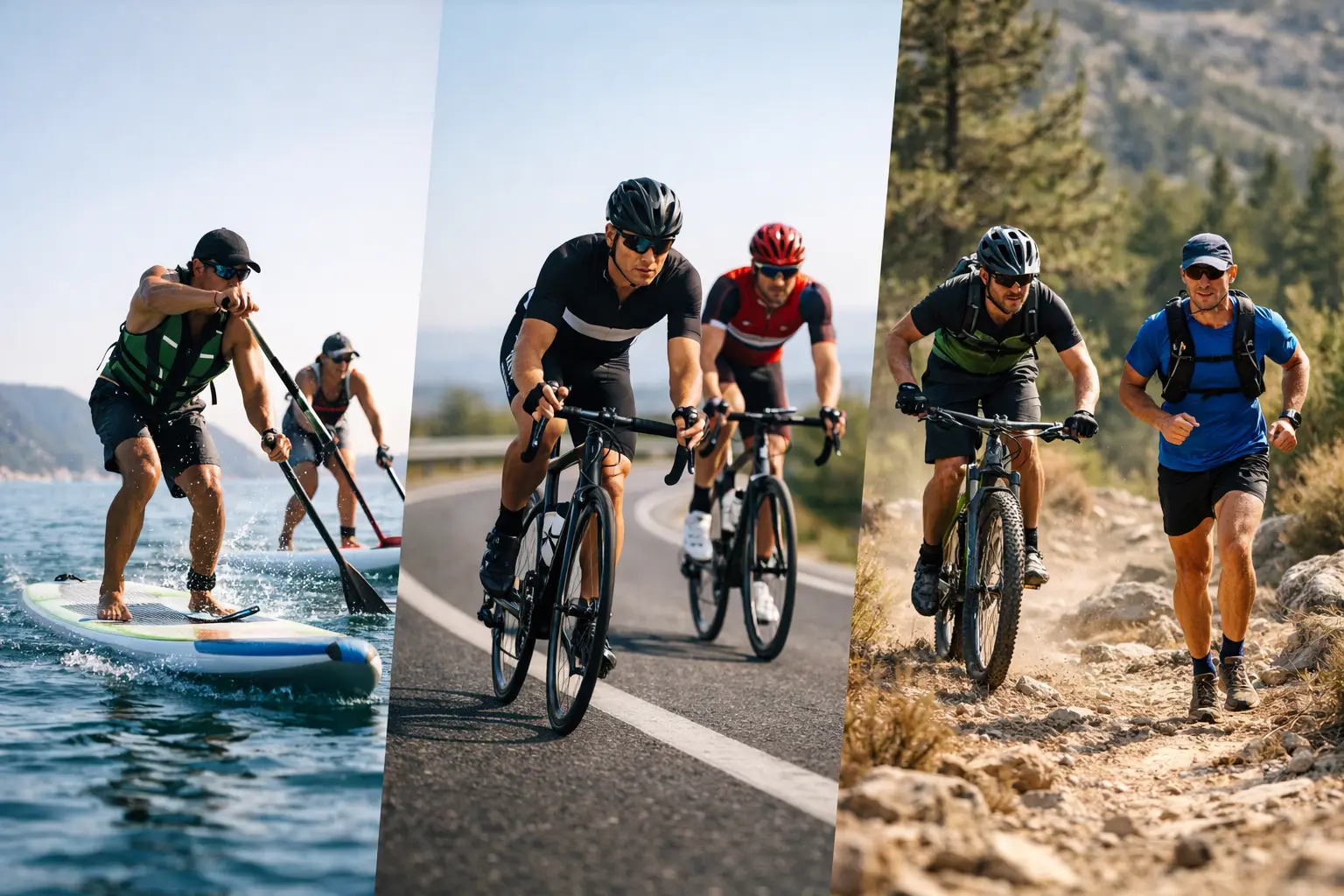
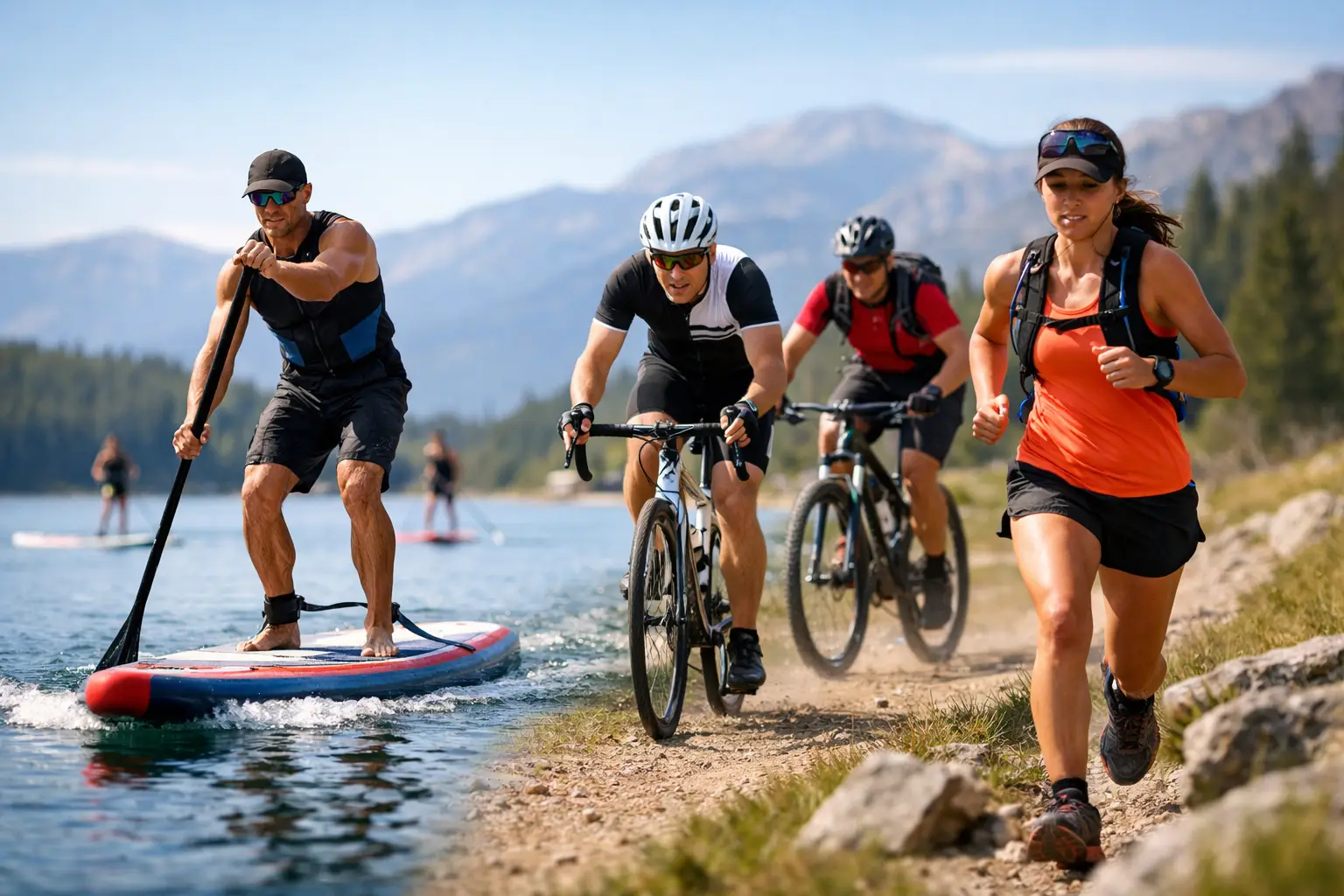
If you are wondering how to train for paddle bike run, the short answer is this: train for the change between disciplines, not just the disciplines themselves. Plenty of fit people can paddle, ride and run on their own. The real challenge is doing all three in one effort, staying smooth through transitions, and arriving at the run with enough left in the tank to enjoy it rather than just survive it.
That is what makes this format so addictive. It feels adventurous, a bit wild, and far less predictable than a standard triathlon. You are not chasing pool splits or staring at lane lines. You are managing terrain, rhythm, kit, weather and your own energy across water, wheels and trail. Good training should reflect that.
How to train for paddle bike run without overcomplicating it
The best approach is simple and consistent. You do not need a professional athlete’s schedule. You need a realistic week that builds endurance, sharpens skills and gives your body time to adapt.
For most recreational athletes, three to five training sessions a week is enough. If you already cycle or run regularly, your biggest gain may come from adding paddle-specific work and practising back-to-back sessions. If paddleboarding is your strength, you may need more time on the bike and trail to make the final leg feel manageable.
A good training week usually includes one paddle, one bike, one run, one combined session and one optional easy recovery or strength session. That balance works because it prepares you for the event as a whole rather than turning your plan into three separate sports that never quite join up.
Build your training around the race, not your favourite discipline
This is where many people get it wrong. They train the part they enjoy most and hope general fitness carries them through the rest. Sometimes it does, but it often leaves a weak link that shows up on race day.
If your cycling is strong but your paddle is inefficient, you can lose time and energy before you even reach the bike. If you are a confident runner but have never run well off a bike, the trail can feel far longer than it looks on paper. Honest self-assessment matters more than ego here.
Start with your current baseline
Give yourself a simple check-in across all three disciplines. Can you paddle continuously for the expected race distance without your technique falling apart? Can you ride at a steady effort over mixed terrain? Can you run comfortably when already fatigued?
You do not need lab testing or complicated metrics. You just need to know where your confidence is solid and where it drops off. That tells you where your training should lean.
Train your weakest leg first
Most people naturally protect their strengths and avoid their gaps. Flip that. Put your weakest discipline earlier in the week, when you are fresher and more likely to do quality work. That one decision usually delivers more progress than endlessly adding volume to the sport you already like.
The sessions that matter most
You can make solid progress with a handful of race-specific sessions. The key is choosing sessions that teach your body how to handle the event, not just how to log hours.
Paddle sessions
Your paddle work should build both confidence and efficiency. One steady session each week is a strong base. Keep the effort controlled and focus on clean strokes, balance and staying relaxed when your heart rate rises.
It also helps to include shorter efforts within a paddle session. For example, alternate harder bursts with easier paddling so you get used to changing pace, handling chop and settling yourself quickly again. If your event starts with the paddle, this matters even more because you do not want to burn matches too early.
Bike sessions
For the bike, steady endurance is useful, but race-specific effort is better. A ride of 60 to 90 minutes with sections at a firm, sustainable pace will do more for your event performance than endlessly spinning easy miles.
If your event includes hills, train hills. If it is off-road or mixed surface, spend time there rather than pretending road fitness is exactly the same thing. It transfers up to a point, but handling, traction and cadence all feel different when the ground starts changing under you.
Run sessions
The run is often where fatigue gets exposed. A standalone easy run builds resilience, but a short run after the bike is usually the smarter choice for event prep. Even 15 to 25 minutes off the bike teaches your legs to switch patterns and helps you control that heavy, awkward first kilometre.
Trail running experience helps too. Road pace does not always mean much once the terrain gets uneven. Focus on effort, footing and staying composed rather than obsessing over split times.
Practise the handovers
One of the best answers to how to train for paddle bike run is surprisingly unglamorous: rehearse transitions. The event is not just paddle, then bike, then run. It is also board down, helmet on, shoes sorted, bike out, then later rack the bike and get moving on tired legs.
That process needs practice. Not because you need military precision, but because smooth transitions save energy and lower stress. Lay your kit out. Rehearse the order. Know what you are wearing, what you are carrying and what can wait.
Even once every fortnight is enough to make transitions feel calm instead of frantic. That calmness pays off far beyond the seconds you save.
A simple 8-week approach
If you are starting from a reasonable fitness base, eight weeks is enough time to prepare well. In the first three weeks, focus on consistency. Hit one paddle, one bike, one run and one combined session each week. Keep most efforts controlled and finish sessions feeling like you could do a little more.
In weeks four to six, make things more event-specific. Your combined session becomes the priority. That might mean paddle to bike, bike to run, or occasionally all three in a shorter simulation. You are not trying to prove your fitness every weekend. You are teaching your body to link disciplines efficiently.
In week seven, keep the structure but reduce the overall volume slightly. Hold onto a bit of intensity so you stay sharp. In week eight, taper. Arrive feeling eager, not exhausted. Too many people mistake tiredness for preparedness.
Do not ignore strength, mobility and recovery
Adventure sport rewards durable bodies. A little strength work goes a long way, especially for your core, hips, glutes and upper back. That helps with paddle posture, bike control and run stability. You do not need long gym sessions. Twenty to thirty minutes once or twice a week is plenty.
Mobility matters too, especially if you spend most of the week at a desk and try to become an outdoor machine at the weekend. Tight hips and stiff shoulders have a habit of showing up at exactly the wrong moment.
Recovery is where the training actually lands. Sleep well, eat properly and give easy days the respect they deserve. If you constantly feel flat, sore or irritable, that is not grit. That is a signal.
Kit matters, but only to a point
You do not need to buy speed. You do need kit that works. Your board setup, footwear, helmet, clothing and hydration plan should all feel familiar before race day.
Train in the gear you plan to use. That includes trying wet feet into cycling shoes, checking whether your running kit rubs after a ride, and making sure your paddle setup is comfortable over distance. Small annoyances become big problems when they stack up across three disciplines.
Weather is part of the game in the UK as well. Cold mornings, wind, mud and surprise showers are not disruptions. They are part of the event experience. A bit of all-weather training makes you more adaptable and far less rattled if conditions are lively on the day.
Pacing wins more than bravado
The biggest race-day mistake is charging the opening leg because you feel fresh and excited. Paddle too hard and you carry tension into the bike. Bike above your level and the run turns into damage control.
Strong pacing feels controlled early on. You should finish the paddle wanting more, settle quickly on the bike, and start the run with enough headspace to move well. That is not playing safe. That is racing smart.
If you can, test your pacing in training with a short simulation. It will teach you more than another isolated hard session ever could.
Keep it enjoyable
This format is meant to feel like an adventure, not a punishment. Yes, train properly. Yes, respect the challenge. But keep enough fun in the process that you actually want to turn up and give it your best.
That might mean training with mates, exploring new routes, or entering an event like SUPBIKERUN that understands the sweet spot between big challenge and big day out. The people who tend to perform best are not always the most intense. They are often the ones who arrive prepared, adaptable and genuinely buzzing to get started.
Train for rhythm, not perfection. If you can move confidently from paddle to bike to run, manage your effort and enjoy the atmosphere around you, you will be exactly where you need to be.