
The start line is no longer reserved for people chasing a podium, a personal best or a rack full of carbon kit. The biggest endurance participation trends point to something more exciting: people want a proper challenge, but they also want a brilliant weekend, a welcoming crew and a story worth telling once the mud has dried.
For organisers and participants alike, that shift matters. It changes what a great event looks like. It puts atmosphere alongside timing, confidence alongside competition, and the landscape alongside the course itself.
Endurance participation trends are becoming more adventurous
Traditional road races and triathlons still have a loyal following. There will always be athletes who love split times, structured training blocks and the clean simplicity of swim, bike, run. But many active adults are looking beyond the familiar format.
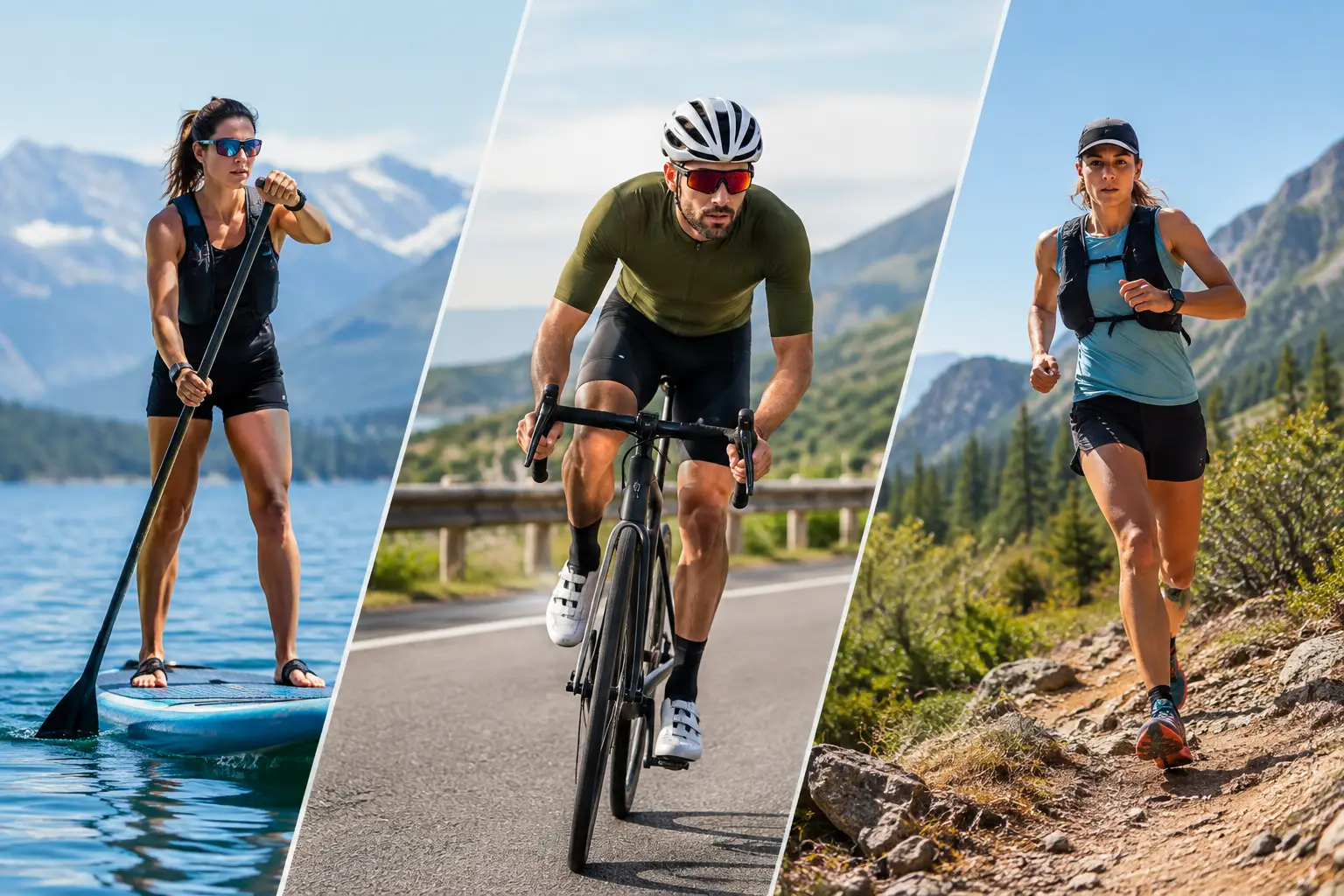
They want to paddle a lake before getting on a bike. They want trails rather than traffic-free tarmac. They want a route that asks questions of them, without making them feel as though they have accidentally entered an elite-only club. Adventure-led events are answering that call because they make the finish line feel earned in a different way.
This is not about making endurance sport easier. A mountain bike climb, a trail run in changing weather and a paddleboard leg all demand preparation. The difference is that the challenge feels more rounded. Participants are testing fitness, judgement, resilience and a willingness to get outside their comfort zone.
For plenty of people, that is more motivating than shaving a few seconds from a familiar distance.
The experience now matters as much as the result
A race used to be a single date circled on the calendar. Increasingly, it is a reason to gather friends, camp out, travel somewhere beautiful and spend a full weekend outdoors. Participants are investing their time and money in memories, not just medals.
That means the details around the course carry real weight. Clear pre-event information reduces nerves. Friendly marshals can rescue a tough moment. Good spectator spots give supporters a role in the day. A well-run campsite turns an early alarm into part of the adventure rather than a logistical headache.
The best events do not treat these as extras. They are part of the product. A finish-line buzz is built long before the first competitor arrives, through smart organisation and an atmosphere that tells every participant they belong there.
This is especially true for people balancing training with work, family and a busy social life. If someone is giving up a precious weekend, the event needs to feel bigger than a number on a timing screen.
Social sport has become serious motivation
Training partners, work colleagues and friendship groups are a powerful force in participation. Signing up together creates commitment. It also makes the hard bits more fun: the wet rides, the hill sessions, the kit questions and the inevitable debate about whether trail shoes are really necessary.
Corporate groups are part of this movement too. A shared outdoor challenge gives teams something far more memorable than another activity in a meeting room. The strongest experiences leave space for different ability levels while still giving everyone a genuine sense of achievement.
There is a balance to strike. Team entries should never mean the event becomes a gentle away day with a token obstacle. People want to be looked after, but they also want to surprise themselves. A challenge with real substance creates the stories that bring groups back.
Inclusivity is raising the bar, not lowering it
One of the most encouraging endurance participation trends is the expectation that events welcome more types of participant. That includes first-timers, mid-pack regulars, older athletes returning to sport, women seeking a supportive environment and competitors who simply do not identify with the hard-edged image of traditional racing.
Inclusivity is often misunderstood as making every event suitable for everybody, regardless of preparation. That is not realistic or responsible. Water conditions, terrain, cut-off times and technical sections all need sensible standards. Safety has to lead.
What inclusivity does mean is being clear about the challenge, offering useful guidance and removing unnecessary intimidation. It means explaining what kit is needed and why. It means course support that encourages rather than judges. It means showing that a participant can take an event seriously without taking themselves too seriously.
Confidence is a major barrier to entry. Many people are physically capable of doing more than they think, but the language and culture around endurance sport can put them off before they ever click enter. Events that communicate with warmth and clarity have a much better chance of turning curiosity into a start-line moment.
Flexible formats are winning attention
One fixed distance no longer suits every athlete. Some participants want the full-day test. Others want an achievable first step that still feels thrilling. Choice gives people a way in and a reason to progress.
Shorter routes, relay options and varied course formats can work brilliantly when they are designed with purpose. They should feel like proper events, not watered-down versions parked at the side of the main race. The route, support and finish should carry the same energy, whatever distance someone chooses.
Flexibility also applies to how people train. Not everyone follows a 16-week plan with a coach, a power meter and perfectly timed recovery. Many participants build fitness around school runs, shift work, dog walks and whatever weather arrives at the weekend. Adventure events suit this reality because they reward broad outdoor capability as well as one narrow performance metric.
That said, spontaneity has limits. Paddleboarding, cycling and trail running all deserve respect. Participants still need to practise their disciplines, test their kit and understand the demands of the day. The goal is accessible adventure, not underprepared adventure.
Nature is part of the appeal, and part of the responsibility
The pull of an outdoor event is obvious. A lakeside transition, a ridgeline view or a woodland trail can make effort feel worthwhile. In Mid Wales, Devon and the Lake District, the terrain itself is a reminder that endurance sport does not need a stadium to feel spectacular.
But a beautiful setting is not a backdrop to be used carelessly. Participants increasingly expect events to respect the places they visit. That includes thoughtful route planning, responsible waste management, clear advice on protecting trails and water, and collaboration with landowners and local communities.
This is another area where organisation builds trust. People are more likely to return to an event when they can see it is serious about safety, access and environmental care, without turning the whole experience into a lecture. Small actions, communicated well, help protect the landscapes that make these events special in the first place.
What participants should look for next
When choosing an endurance event, it is worth looking beyond the headline distance. Ask whether the format genuinely excites you. Check that the event explains its safety procedures, kit expectations and course difficulty in plain English. Consider whether you will enjoy the full experience, from arrival and registration to the finish and the journey home.
A great event should make you feel a flicker of nerves and a bigger pull of anticipation. It should be organised enough that you can focus on your challenge, but relaxed enough that you can enjoy the people and place around you.
SUPBIKERUN exists for exactly that kind of participant: the one who wants to paddle, ride, run, get muddy, work hard and finish with a grin. The future of endurance is not less demanding. It is more open, more varied and far more alive.
Choose the challenge that makes you want to train on a wet Tuesday, then bring your mates and see what you are capable of outdoors.