
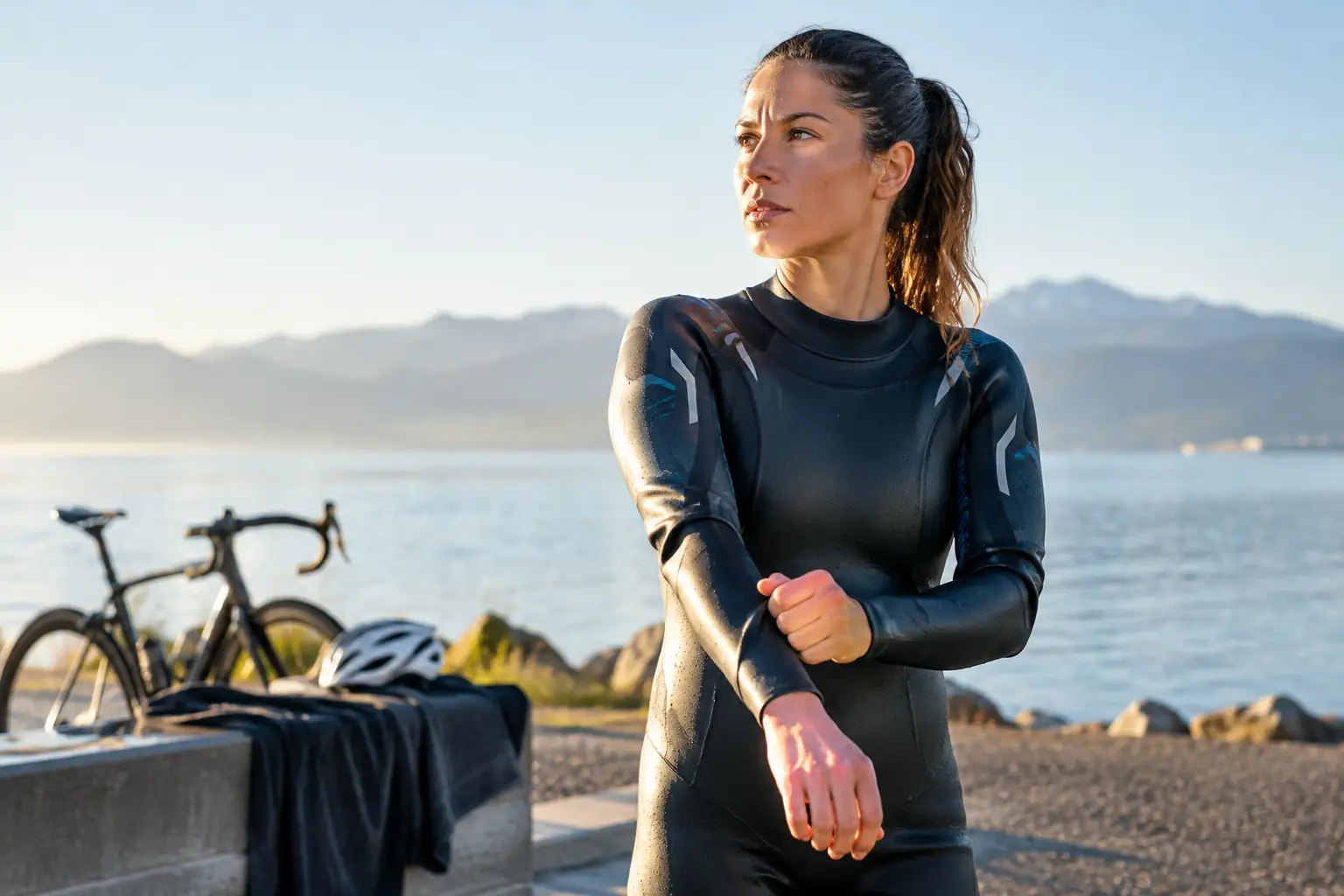
Cold water has a way of making kit decisions feel very real, very quickly. This wetsuit rules FAQ is here to clear up the common questions before you reach the shoreline, zip up and focus on the adventure ahead. Whether you are taking on your first paddle-based triathlon or chasing a new challenge with your mates, the right wetsuit choice should help you feel safe, comfortable and ready to race.
Wetsuit Rules FAQ: Start With Your Race Briefing
The first rule is simple: always follow the specific event rules in your race information. Wetsuit requirements can change according to water temperature, weather conditions, the course and the discipline. An organiser may make a final call close to race day because a calm, warm lake and a chilly, exposed reservoir demand different safety measures.
Do not assume that rules from a pool triathlon, open-water swim event or last year’s race automatically apply. Read your pre-event communications, attend the briefing if one is scheduled and ask the event team before the start if anything is unclear. That is not being overly cautious. It is how you avoid an unwanted surprise when everyone else is heading to the water.
For events involving paddle boarding, the decision can be slightly different from a swim race. You spend more time above the surface, but falling in is part of the territory. Water temperature, wind and your ability to remount your board all matter.
Is a Wetsuit Compulsory?
Sometimes, but not always. A wetsuit may be compulsory when the water is cold enough that prolonged immersion presents a safety concern. At other events it may be optional, strongly recommended or not permitted above a certain temperature. The key point is that an organiser’s decision is about participant welfare and fair racing, not about making your kit list longer.
If wetsuits are optional, ask yourself an honest question: how will you feel if you fall in and need a few minutes to get settled again? Confident paddlers who are used to open water may be happy without one in mild conditions. Newer participants, lighter athletes and anyone who feels the cold quickly often benefit from the insulation and reassurance a suit provides.
A compulsory-wetsuit ruling does not mean you need an elite-level suit. It means you need a safe, suitable one that fits properly and lets you move freely. Comfort beats expensive kit every time.
Can I wear a wetsuit when it is not required?
Usually, yes, provided the event rules allow it and the water temperature is within the permitted range. But optional does not always mean sensible. On a warm day, a thick suit can leave you overheated before you have even reached the bike section. Consider the air temperature, how hard you expect to work and whether you can remove the suit efficiently in transition.
If you are unsure, bring it with you. Conditions can change, and having the option is far better than wishing you had packed it.
What Type of Wetsuit Should I Use?
For a SUP, bike and run adventure event, choose a wetsuit designed for open-water swimming, triathlon or paddle sports. These suits are built to give warmth while allowing shoulder rotation and movement through the torso. A surf wetsuit can work in some circumstances, particularly for relaxed paddling, but it may feel restrictive when you are repeatedly paddling, swimming or hurrying through transition.
A full-length wetsuit offers the most warmth and protection from wind chill. It is often the safer choice for cooler UK water, especially early in the season. A sleeveless suit gives more freedom around the shoulders and can feel less restrictive, but it offers less insulation. Shorty wetsuits are useful in warmer conditions, although they may not meet an event’s minimum coverage requirements if those are specified.
Avoid suits with hard, bulky panels or a fit that bunches behind the knees and under the arms. You need to be able to paddle hard, move around your board and get on with the rest of your race without fighting your own kit.
How Should a Wetsuit Fit?
A good wetsuit should feel close-fitting and snug, not painfully tight. It should sit smoothly against your body with no large pockets of air or loose folds around the lower back, shoulders and crotch. Water will enter when you first get in, warm against your skin and help the neoprene do its job. A baggy suit flushes constantly with cold water, which is uncomfortable and much less effective.
At the same time, you should be able to take a deep breath, lift your arms overhead and squat without sharp pulling or numbness. Do not buy a suit based only on the label size. Try it on well before race weekend, ideally with the clothing you plan to wear underneath if you will be using a base layer or swimwear.
Getting into a wetsuit takes patience. Pull it up gradually from the ankles and calves, working the neoprene into place before moving on to the hips and torso. Yanking the shoulders up before the legs are properly seated is how people end up feeling restricted and damaging delicate material with their fingernails.
Should I wear anything underneath?
For most people, swimwear or tri shorts are the straightforward choice. They are comfortable in the water and mean you are covered when the wetsuit comes off. If the weather is particularly cold, an organiser may permit additional layers, but check first. Thick cotton clothing is a poor choice because it holds water and can make you cold and heavy.
Are Gloves, Boots and Hats Allowed?
These are the items that vary most from event to event. Neoprene boots, gloves and hats can make a huge difference in cold conditions, especially for paddlers whose hands and feet are exposed to spray and wind. Yet some race rules restrict them for safety, fairness or practical reasons.
Do not turn up assuming every accessory is allowed. Check the race pack. If conditions are cold, bring your cold-water options anyway and wait for the final guidance. A brightly coloured swim cap may also be required for visibility, even if you wear your own neoprene hat underneath.
For paddle boarding, remember that footwear must also work safely on the board and during the transition. Big, slippery boots may keep your toes warm but make it harder to find stable footing. The best solution is the one that keeps you warm without compromising control.
Do Wetsuits Give an Unfair Advantage?
Wetsuits increase buoyancy, reduce drag for many athletes and conserve body heat. That can make the water section feel easier, particularly for less confident swimmers. But that is exactly why race organisers use temperature thresholds and consistent rules. The aim is to keep the field safe while maintaining a fair experience for everyone.
In an adventure triathlon, there is another trade-off: a suit that helps in chilly water may cost you time in transition. Practise taking it off when you are breathing hard. Open the zip, peel the shoulders down, free one arm at a time and work it below your hips before stepping out. A little practice at home is much better than a frantic first attempt beside your bike.
What if I Do Not Own a Wetsuit?
First, do not panic-buy the night before. Ask the event team whether wetsuit hire is available, whether a particular type is recommended and what the current conditions look like. Borrowing from a friend can work if the fit is genuinely right, but a poorly fitting borrowed suit is often worse than a basic suit that fits you properly.
If you are planning more open-water adventures, buying your own wetsuit can be worthwhile. You will learn how it feels, how quickly it dries and which thickness suits your tolerance for cold. For a one-off event, hire may be the more practical option.
SUPBIKERUN is built for people who want a big outdoor challenge without the stiff, intimidating feel of a conventional triathlon. That does not mean guessing your way through the safety side. Arrive prepared, listen to the briefing and give yourself enough time to sort your kit calmly.
The best wetsuit is not the flashiest one on the start line. It is the one that lets you step into the water with a clear head, enjoy the challenge and get back out smiling.