
Beginner Adventure Race UK: How to Start
If the idea of a race sounds good but the thought of a pool start, aero bars and split times leaves you cold, a beginner adventure race UK event might be exactly your kind of challenge. It is still a test, still a proper day out, and still something to train for – but it feels more like getting outside and seeing what you are capable of than squeezing yourself into a traditional mould.
That is a big reason more people are looking beyond standard road races and triathlons. Adventure events bring in trail paths, mixed terrain, outdoor skills and a stronger sense of atmosphere. You get effort, adrenaline and a finish-line buzz, but often with a friendlier, more relaxed feel around the edges. For plenty of first-timers, that makes all the difference.
What makes a beginner adventure race UK friendly?
A good beginner race is not simply a shorter version of a hard event. It is designed so that newcomers can actually enjoy the day while still earning the result. That usually means manageable distances, clear route marking or simple navigation, sensible cut-off times, well-briefed marshals and a format that does not assume years of race experience.
It also means the event culture matters. Some races are technically open to beginners but feel built for hardened regulars. Others welcome mixed abilities, encourage first-timers and create an atmosphere where turning up a bit nervous is completely normal. That second type is where most people should start.
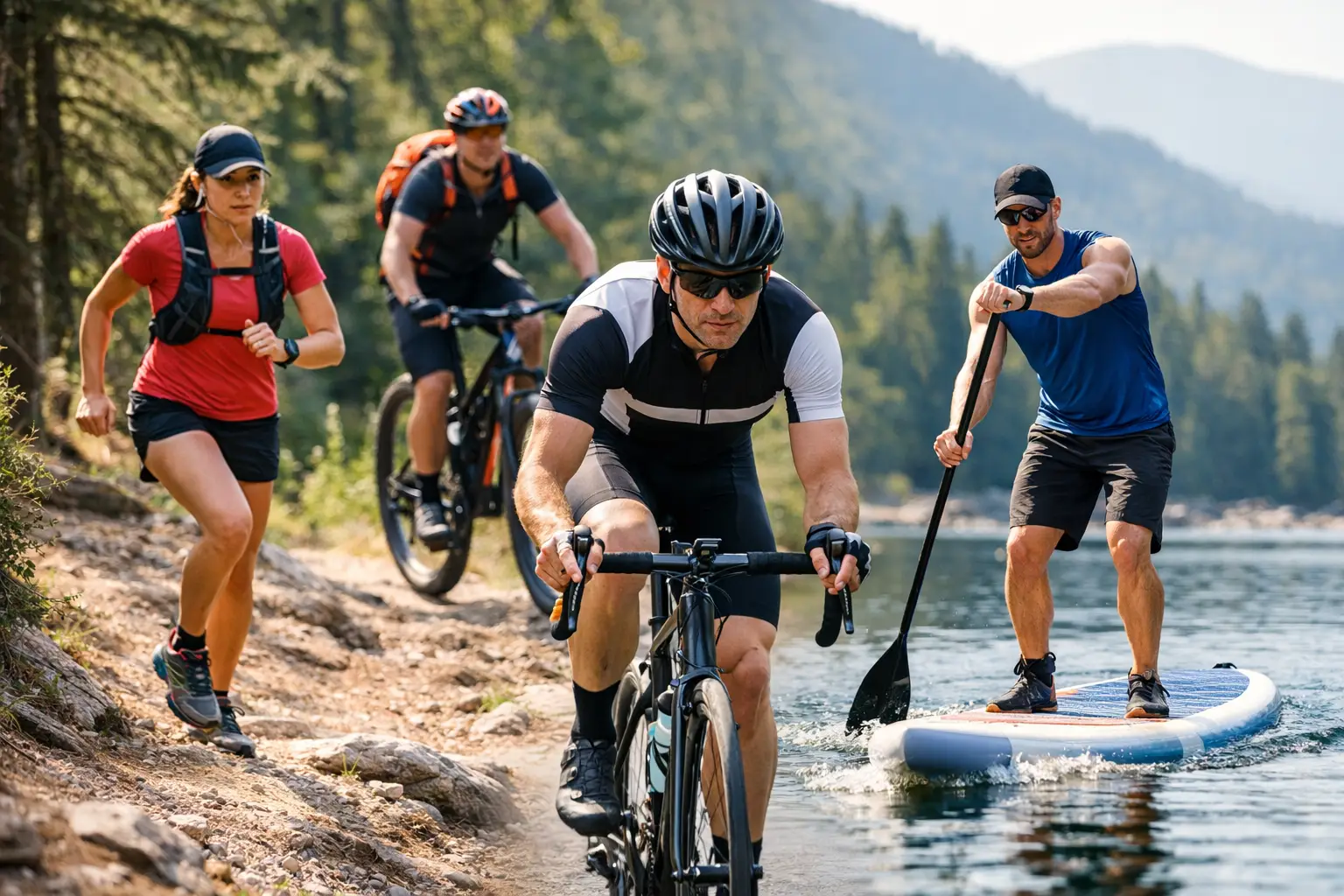
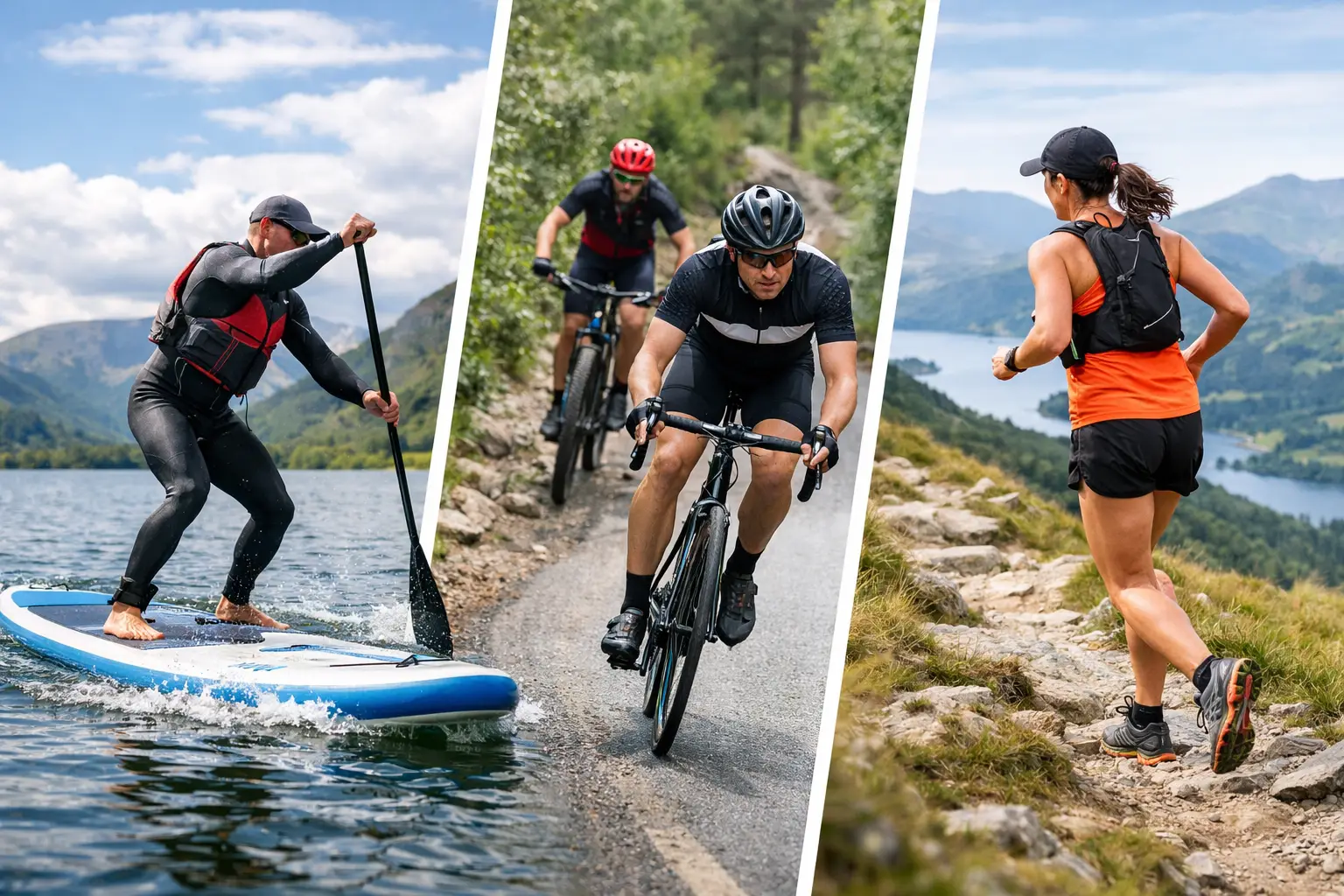
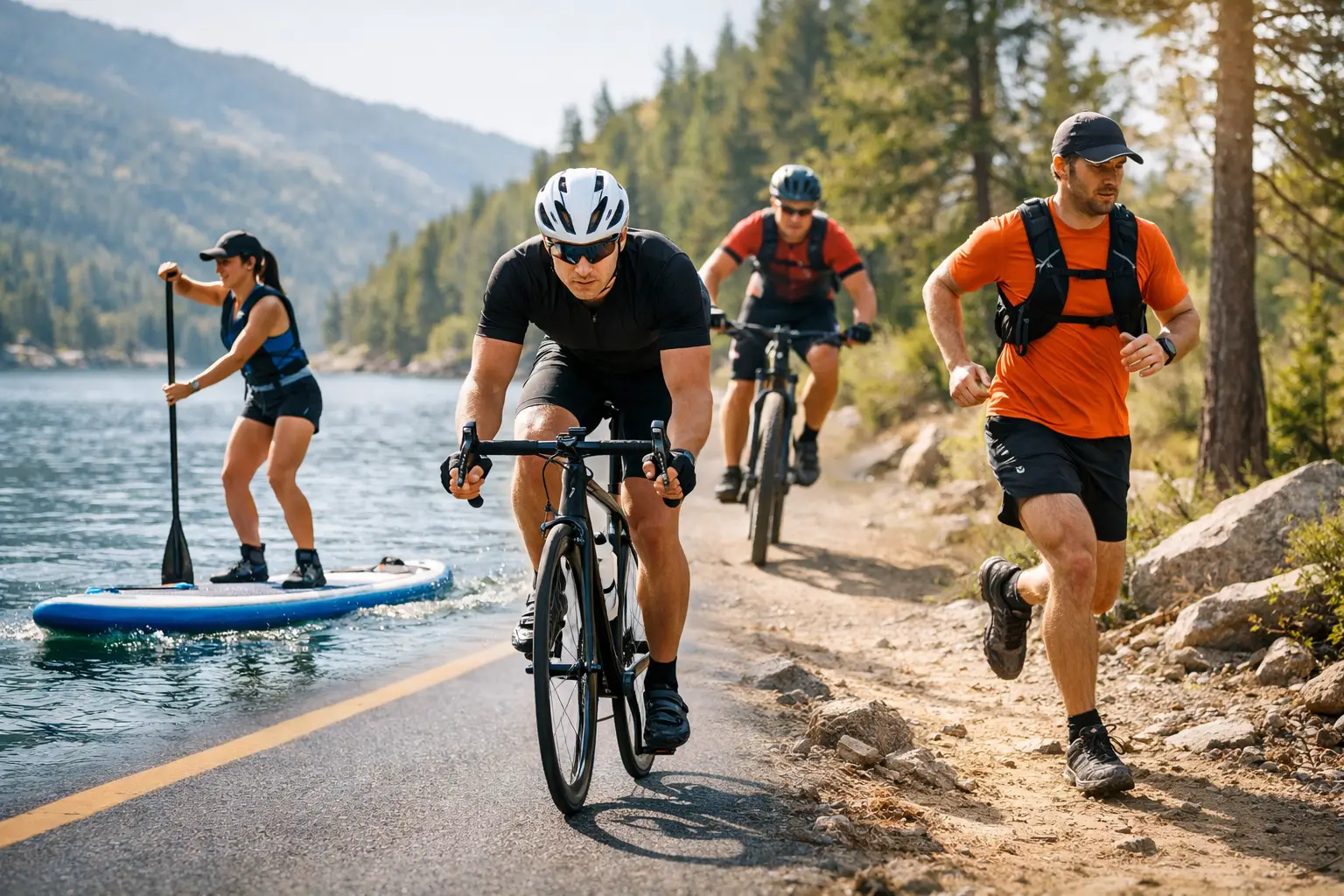
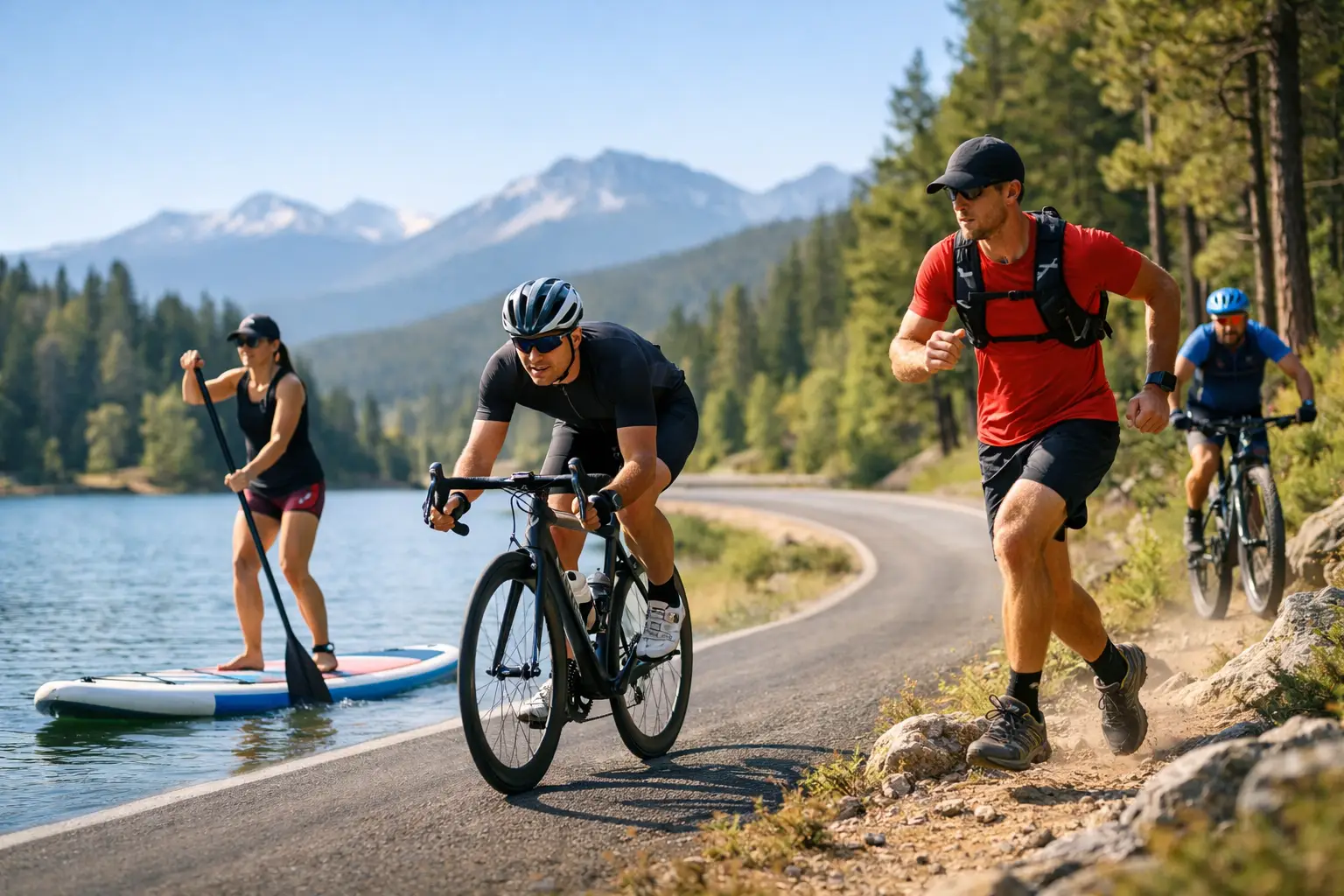
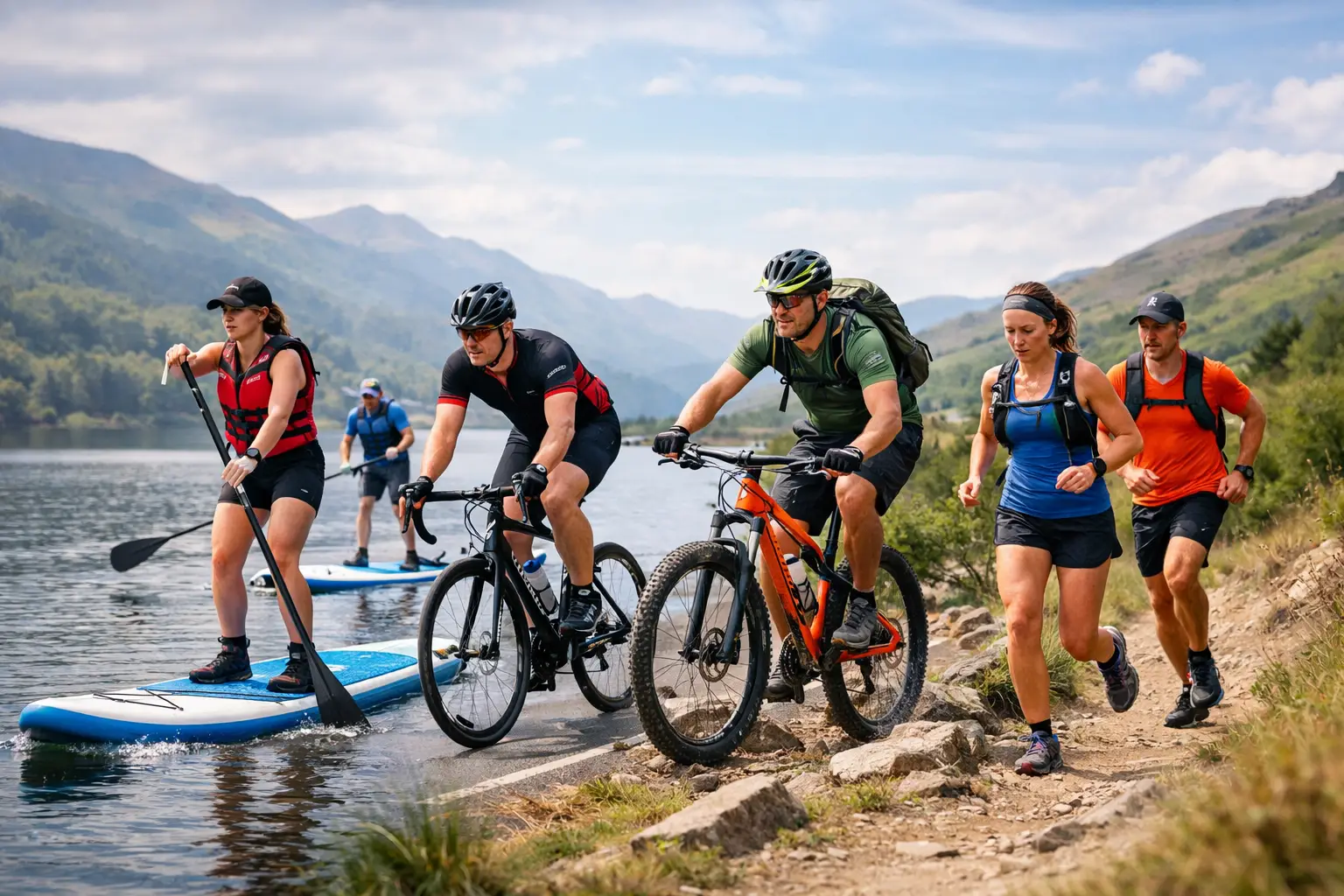
In the UK, adventure racing can cover a wide range of formats. Some events focus on trail running and mountain biking. Others mix disciplines in a way that feels more accessible and more exciting for people who want variety without the full intensity of an elite setup. That is why alternative formats, including paddle-bike-run events, are proving so popular. They keep the challenge high while making the experience feel more open and less intimidating.
How to choose your first race
The best first event is not the one that looks most impressive on social media. It is the one you can prepare for properly and finish feeling strong enough to want another go.
Distance comes first. If you already run, ride or paddle recreationally, you may be ready for more than you think. But there is no prize for choosing a race that turns the final hour into survival mode. A shorter event with good energy, solid support and a memorable course will usually give you a better first experience than a longer one you dread by halfway.
Terrain matters just as much. A flat gravel route and forgiving trail paths are very different from steep hills, technical descents or exposed conditions. Look at the environment honestly. If you are confident on mixed terrain, great. If not, choose a course that lets you learn without adding too much pressure.
Then there is format. This is where many newcomers find their sweet spot. A race built around stand up paddleboarding, cycling and trail running gives you variety and keeps things interesting from start to finish. It can also feel more natural for active people who spend weekends outdoors anyway. Instead of forcing yourself into a conventional race structure, you are stepping into an event that feels adventurous from the first leg.
You do not need to be an elite athlete
This is the biggest mental hurdle for most first-timers. People assume adventure racing is only for mountain-marathon veterans or ultra-fit specialists. It is not. You do need a base level of fitness and a willingness to train, but beginner-friendly events are built for real people with jobs, families and limited time.
If you can already stay active three or four times a week, you have something to work with. What you need next is consistency, not hero sessions. A few steady weeks of purposeful training will do more for your race day than one huge weekend followed by five days of feeling wrecked.
It also helps to stop comparing yourself with the front of the field. Your first race is about getting round well, managing your effort and enjoying the challenge. Fast comes later if you want it to.
Training for your first event without overcomplicating it
For a beginner adventure race UK build-up, the smartest plan is one that fits your real life. Train the disciplines you will actually use, spend time on the sort of terrain you will meet on race day, and practise moving between efforts without turning every session into a major production.
Start with one longer session each week that builds endurance. That could be a longer ride, a steady trail run or a paddle session that gets you comfortable spending time under effort. Add one or two shorter sessions in the week with a bit more intensity, plus one session that focuses on skills. Skills are often where beginners save the most energy. Better bike handling, more efficient paddling and more confident trail running can make the whole day smoother.
Brick sessions help too. You do not need to mimic the whole race every weekend, but combining two disciplines teaches your body to switch gears. A short ride into a run is plenty. If your event includes paddleboarding, even practising the transition from board to bike setup can calm the nerves.
Rest is part of the training. Adventure events are exciting, and beginners often make the mistake of thinking more is always better. It is not. Tired legs and small niggles add up fast, especially if you are training around work.
What kit actually matters
You do not need a garage full of specialist gear to get started. That is good news, because too much kit talk puts people off before they have even entered.
What matters most is equipment that is safe, reliable and familiar. If you are cycling, use a bike that is well maintained and suited to the terrain. If you are paddling, make sure your board setup is appropriate and that you have practised with it. For trail running, shoes with decent grip are a much better investment than any fashionable extra.
Clothing should be simple. Dress for movement, weather and comfort over several hours. In the UK, that usually means preparing for at least two seasons in one day. Avoid trying brand-new kit on race morning. Chafing, slipping layers and poor footwear choices can ruin an otherwise brilliant event.
The less glamorous details matter as well. A way to carry nutrition, a bottle or hydration pack, dry clothes for after the finish, and a basic understanding of what the organiser requires will make your day easier. Well-run events are clear about kit rules for a reason – they are there to keep the race safe and smooth.
Race-day nerves are normal
If you feel wired the night before, welcome to the club. Even experienced racers get pre-event nerves. The trick is to make them useful.
Get there early. Give yourself time to park, register, sort your kit and absorb the atmosphere. Rushing is the fastest way to turn normal nerves into chaos. Listen carefully to the briefing, ask questions if anything is unclear, and focus on the first section rather than the whole event at once.
On the course, start steadier than your adrenaline tells you to. Beginners often go too hard in the opening section because everyone around them is buzzing. Settle in, find your rhythm and trust that the race will come back to you later if others fade.
Eat and drink before you feel desperate. If the weather turns or a section feels tougher than expected, stay calm and keep moving through the basics. One of the best things about a well-organised event is that there is support around you, from marshals to fellow participants. Adventure racing has a strong community feel, and first-timers notice that quickly.
Why this kind of event keeps people coming back
The best beginner events do more than get you over a finish line. They change how you see yourself. You arrive wondering if you can do it and leave planning what you want to try next.
That is especially true when the event feels like an experience rather than a transaction. A strong race village, clear infrastructure, a supportive team, camping options and a crowd that is there for the day as much as the result all add up. It becomes part challenge, part weekend adventure.
That is also where a brand like SUPBIKERUN stands out. The format is proudly different, the atmosphere is welcoming, and the organisation gives first-timers confidence that the day will be exciting without feeling chaotic. For anyone drawn to paddleboarding, cycling and trail running, it is a natural way into the adventure race world.
You do not need to wait until you feel fully ready. Pick a race that fits, train with intent, turn up prepared and let the day do the rest. Your first adventure race should feel a little bold. That is the point.