
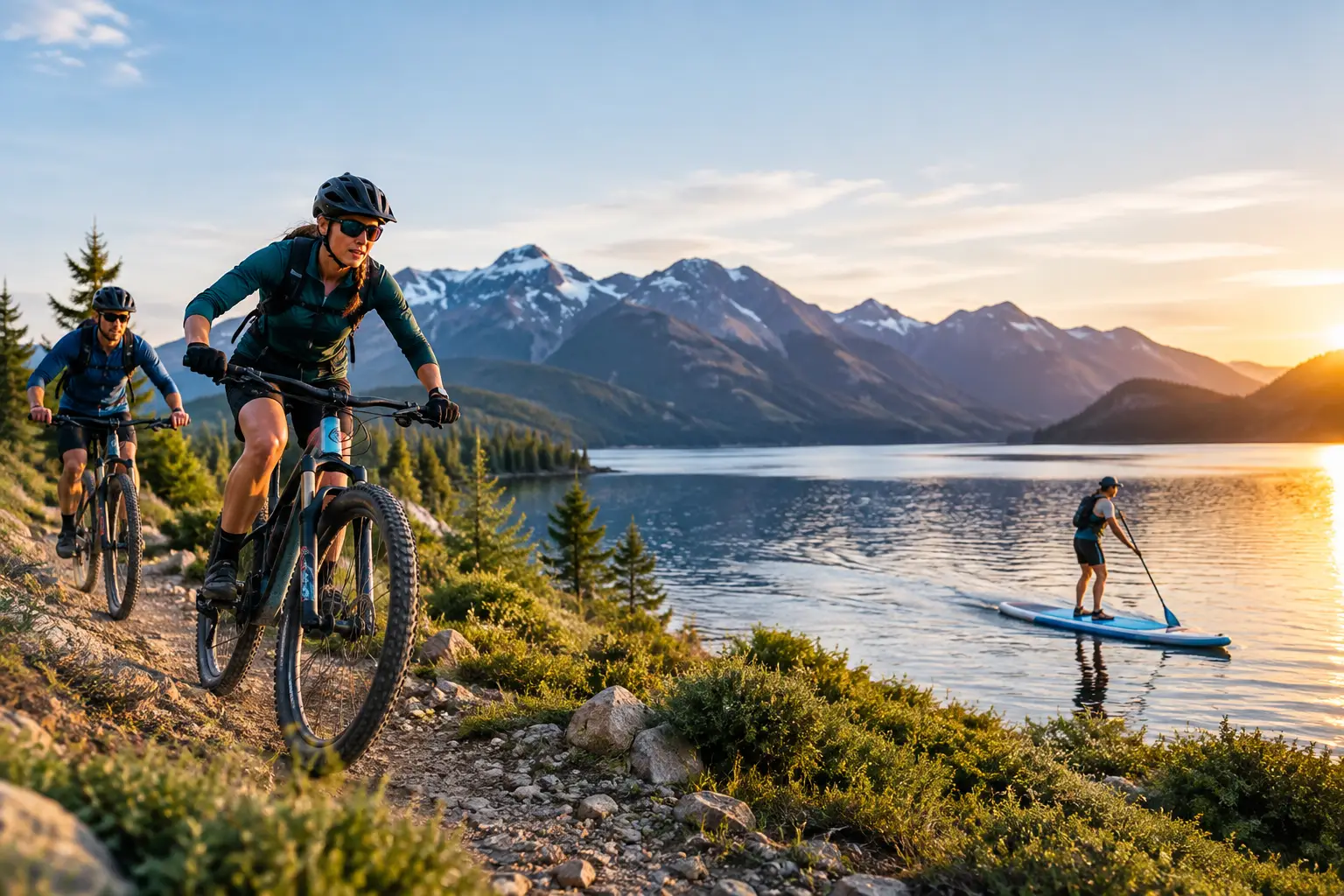
A finish line is no longer enough. People want the hill that made their legs burn, the muddy high-five from a stranger, a proper campfire story and the photo that proves they did something a bit out of the ordinary. That is where the future of adventure endurance events is heading: away from identical race-day formulas and towards challenges that feel brilliantly human.
For plenty of active adults, the appeal is not simply posting a faster time. It is putting a date in the diary that gets them training through winter, heading somewhere spectacular with friends and earning a weekend they will talk about for months. The winning events will understand that a race is only one part of the experience.
The future of adventure endurance events is experiential
Traditional endurance sport has always had power. The discipline of training, the nerves on the start line and the satisfaction of finishing are hard to beat. But adventure events are raising the bar by making the whole journey matter.
Participants increasingly expect more than a well-marked route and a medal. They want a memorable setting, a welcoming event village, great food, clear information and an atmosphere that makes first-timers feel they belong. They want to bring supporters who have a brilliant day too. They want the finish line to feel like a celebration, not a queue for a bag and a banana.
This does not mean the challenge gets softer. Quite the opposite. A tough climb, exposed trail or testing paddle becomes more rewarding when the event around it is well designed. The adventure is real, but so is the reassurance that there are safety teams, marshals, timing, kit guidance and a plan for when British weather decides to get involved.
The strongest events will balance freedom with structure. Give people the feeling that they are tackling something wild, while making sure they can focus on the challenge rather than wondering where to park, what to carry or whether the route is safe.
Multi-discipline is becoming the main event
Swim-bike-run will always have its place, but it is no longer the only route into endurance sport. Paddle boarding, mountain biking, gravel riding, trail running, hiking and navigation-led challenges bring a different kind of excitement. They ask athletes to adapt, play to their strengths and try something unfamiliar.
That variety matters because many people do not identify as triathletes, even if they love being active. Someone may be confident on a paddleboard, happiest on trails and only recently back on a bike. A multi-discipline adventure event gives them a reason to join in without needing to fit a traditional sporting label.
It also makes the day more interesting. Changing disciplines breaks the effort into distinct chapters. One moment you are working with the water, the next you are grinding uphill, then finding your rhythm through woodland on foot. Your body is challenged differently, and your mind stays switched on.
That is part of what makes formats such as SUPBIKERUN so compelling. They offer a proper endurance test without copying the usual script. For athletes who want a challenge with more character, that difference is the point.
Less intimidation, more achievement
The next generation of adventure endurance events will be built for people who are capable but not necessarily convinced they are “race people”. That is a big opportunity. There are thousands of runners, cyclists, paddleboarders and gym-goers who would happily take on a bold weekend challenge if the invitation felt right.
The language matters. So does the imagery. Events should celebrate fast athletes without suggesting that everyone else is merely making up the numbers. A personal best can be brilliant, but so can finishing your first off-road event, returning after injury, completing a challenge with a mate or getting a corporate team over the line together.
Choice will help. Different distance options, relay entries and sensible cut-off times can make an event more accessible while keeping its identity intact. The trade-off is that organisers must be clear about what each route demands. Calling something beginner-friendly does not remove the need for preparation, especially where open water, hills or changeable conditions are involved.
The best reassurance is honest reassurance: you do not have to be elite, but you do need to respect the course, train for it and arrive ready for an adventure.
Technology will support the day, not take it over
Useful event technology is becoming expected. Easy booking, straightforward participant guides, digital waivers, live timing and prompt updates make a major difference before and during race weekend. Supporters love being able to follow progress, while organisers can communicate quickly if parking, weather or course conditions change.
But no one signs up for an outdoor challenge to stare at a screen. There is a limit. Endless notifications, complicated apps and data overload can drain the character from an event that should feel like an escape.
The smart approach is simple: use technology to remove friction, then let the place do the talking. Good route signage beats an athlete checking a phone at every junction. A knowledgeable marshal with encouragement at the right moment is more valuable than another automated message. Timing matters, but so does looking up from your watch and noticing where you are.
Sustainability will be judged by action
Adventure events rely on landscapes, waterways, trails and local communities. That creates a responsibility that cannot be reduced to a green slogan on a race page.
Participants are becoming more alert to waste, travel impact and how events treat the places they use. They will notice single-use clutter, poor toilet provision, careless parking and routes that appear to take more from an area than they give back. They will also notice the good stuff: reusable systems, considered route planning, local suppliers, clear travel advice and teams who leave a venue spotless.
There are practical tensions. Events need water stations, safety equipment, access routes and enough infrastructure to look after large groups properly. The answer is not pretending an event has zero impact. It is making thoughtful decisions, being open about them and improving year after year.
For entrants, this can become part of the pride. Completing a challenge in a spectacular location feels even better when the event has worked hard to protect the ground beneath your shoes and the water beneath your board.
Community will outlast the race weekend
The most valuable finish-line feeling is belonging. Endurance events are increasingly becoming meeting points for people who want a more active, adventurous life. Training groups form. Friends return together. Volunteers become participants. First-timers bring colleagues the following year.
That sense of community is especially powerful for corporate groups. A shared outdoor challenge reveals more than a meeting room ever will. It rewards encouragement, problem-solving, humour under pressure and the willingness to keep moving when the route gets hard. Not everyone needs to be the fastest person in the team for everyone to contribute.
Organisers have a role here too. Clear communication, friendly crew, useful pre-event advice and a finish area with genuine energy can turn a one-off booking into a tradition. A participant should leave feeling that they were seen, supported and part of something bigger than their result.
What participants should expect next
Expect events to become more imaginative, more inclusive and more intentional. Courses will make better use of the natural character of a location rather than forcing every venue into the same mould. Weekend experiences will matter as much as race routes. There will be more opportunities to race with friends, camp nearby, learn a new discipline and choose a challenge that feels ambitious but achievable.
There will also be higher expectations of organisers. Adventurous should never mean vague. The future belongs to events that pair big energy with serious preparation: transparent policies, strong safety standards, experienced crews and participant information that answers questions before nerves have a chance to grow.
So choose the challenge that gives you a proper reason to train. Bring the friend who says they are not sure they are ready. Pack for the weather, trust the process and step onto a start line that promises more than a finish time. The best adventure endurance events will not just test what you can do. They will remind you why you wanted to do it in the first place.