
Event Sponsorship Outdoor Sports That Works
A muddy trail finish, a buzzing event village, paddleboards stacked by the water and riders swapping stories over a coffee – that is where event sponsorship outdoor sports starts to make sense. The best partnerships do not feel bolted on. They feel part of the day, part of the challenge and part of the community that turns up for it.
Outdoor sports audiences are hard to fake your way into. They can spot a lazy logo drop a mile off. But they also reward brands that genuinely show up, add something useful and understand why people sign up in the first place. That is what makes sponsorship in this space so valuable. When it is done well, it reaches an active, loyal and highly engaged crowd in a setting where attention is earned rather than bought.
Why event sponsorship outdoor sports matters more now
Outdoor participation has changed. People are still chasing performance, but they are also looking for experience, challenge and a break from standard race formats. That opens the door for sponsors who want more than a banner at the finish line.
Adventure events attract people who buy into a lifestyle as much as a discipline. They care about kit, nutrition, recovery, travel, sustainability, community and memorable days out. For a sponsor, that creates a richer relationship than a quick advert ever could. You are not interrupting someone scrolling a feed. You are part of the environment where they are already emotionally invested.
There is also a practical edge. Outdoor events often create longer dwell times than traditional spectator sport. Competitors arrive early, supporters stay on site, and event villages become social spaces. If camping, food, demos or post-race activities are part of the mix, the sponsor has more chances to create a genuine interaction. That matters because recall comes from experience, not just visibility.
What sponsors actually want from outdoor events
Most sponsors are not simply buying exposure. They want relevance, measurable outcomes and a brand fit that feels credible. In outdoor sport, those boxes are easier to tick when the event knows its audience well.
A cycling brand may want direct product trial. A nutrition company may want sampling and post-event sales. A local employer may want corporate hospitality and recruitment visibility. A national consumer brand may care more about content, photography, email reach and social amplification. The strong events are the ones that understand these differences and build partnership options around them rather than forcing every sponsor into the same package.
This is where many organisers get it wrong. They sell square footage, logo placements and generic mentions, then wonder why sponsors do not renew. A better route is to ask what the partner is trying to achieve and then shape the activation around that. It sounds obvious, but it changes the conversation from sponsorship as cost to sponsorship as value.
The right fit beats the biggest cheque
Not every sponsor belongs at every event. Outdoor audiences are switched on, and they notice when a brand feels out of place. A huge deal that confuses participants can be less effective than a modest partnership that genuinely improves the event.
The best sponsors usually do one of three things. They solve a problem, improve the participant experience or strengthen the event atmosphere. Sometimes all three happen at once. A recovery partner can support tired legs at the finish. A vehicle brand can help with logistics and course operations. A hydration or nutrition partner can keep people moving. A camping or outdoor equipment brand can add something useful before and after race time.
There is a trade-off here. Larger brands may bring bigger budgets, but they can also demand rigid activation or messaging that does not suit the tone of the event. Smaller specialist brands may have less cash, yet often bring stronger authenticity and better engagement. It depends on the event, the audience and how protective the organiser is of the participant experience.
How to make event sponsorship outdoor sports feel authentic
Authenticity is overused as a word, but in this sector it still matters. The route to it is simple. The sponsor should understand the people on the start line, and the organiser should protect what makes the event special.
That means building activations around the actual flow of the day. If participants are arriving with boards, bikes and trail kit, make registration support useful. If spectators are gathering at transition, create something interactive there. If the finish area is where stories are shared, that is where memorable brand moments belong.
It also means avoiding clutter. Too many sponsor messages can make an outdoor event feel commercial in the wrong way. Strong sponsorship is visible without being noisy. It earns goodwill by being practical, relevant and well timed.
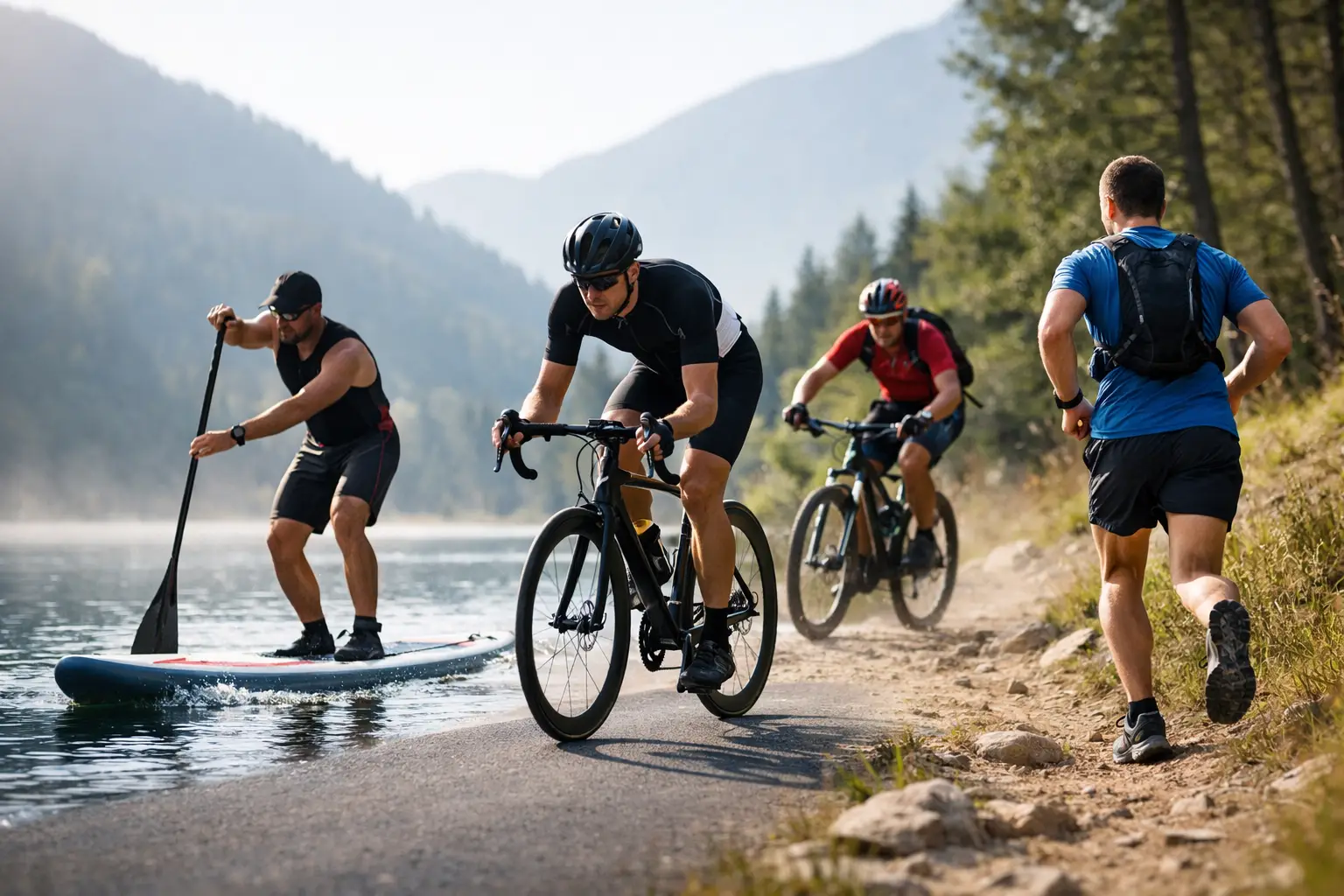
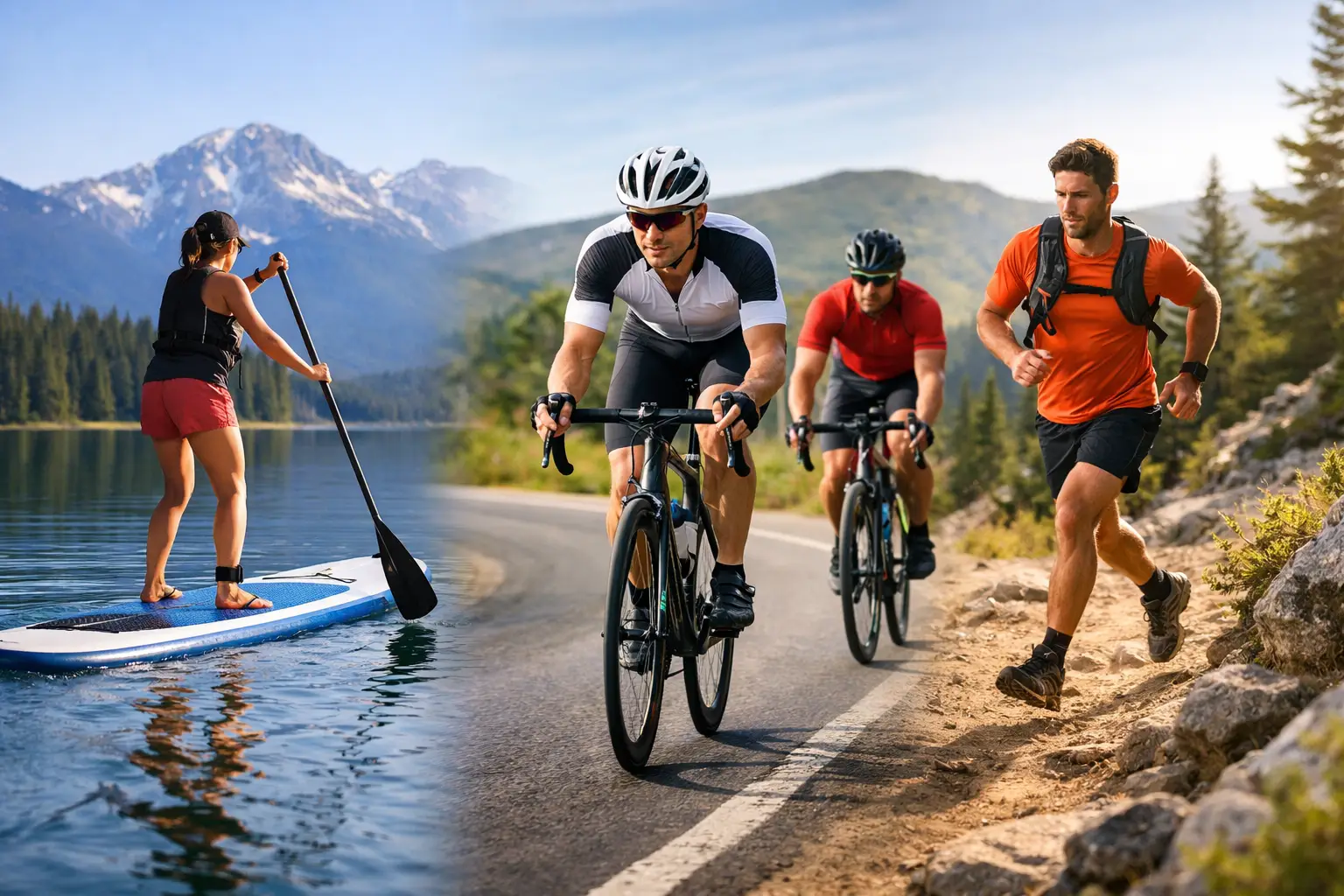
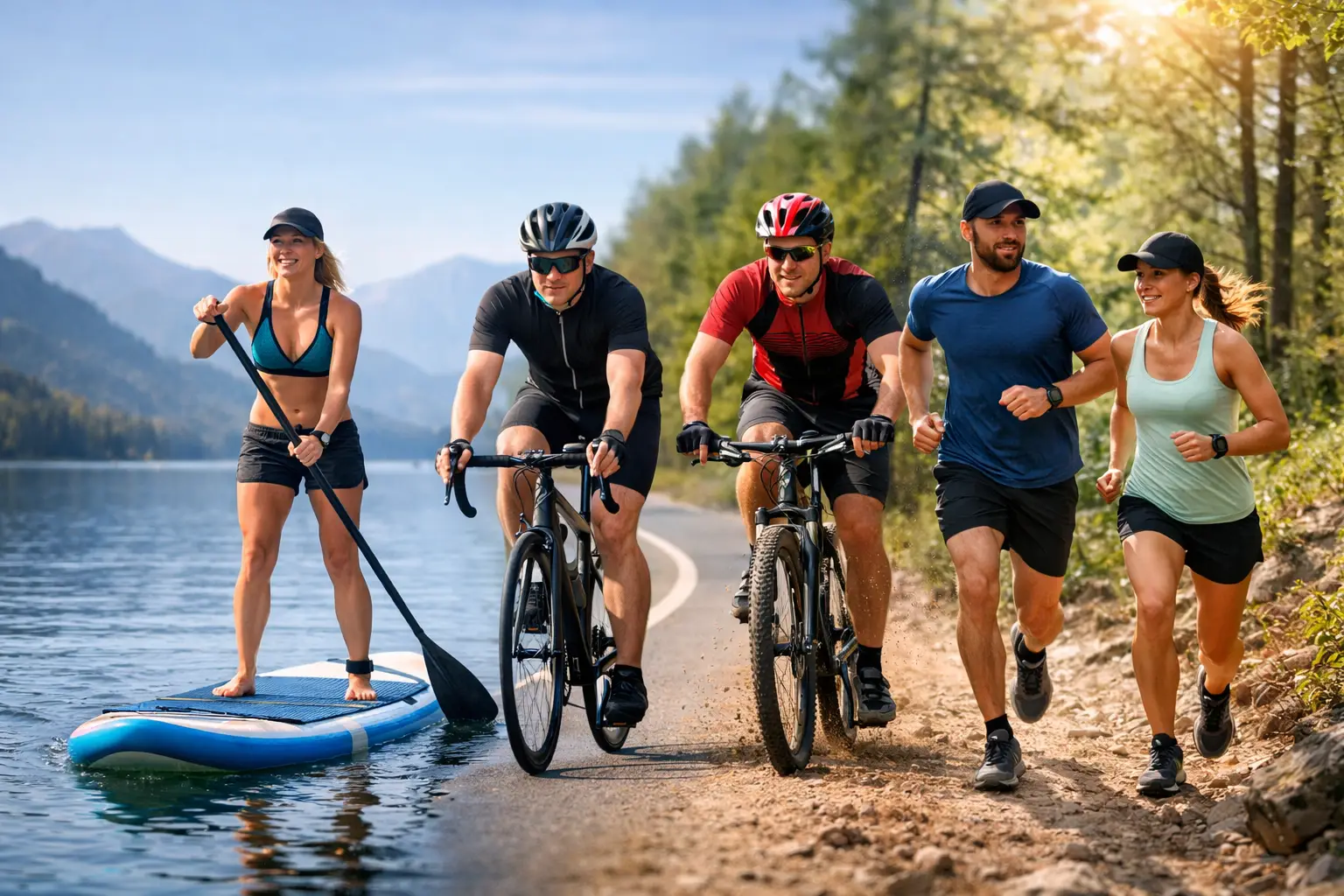
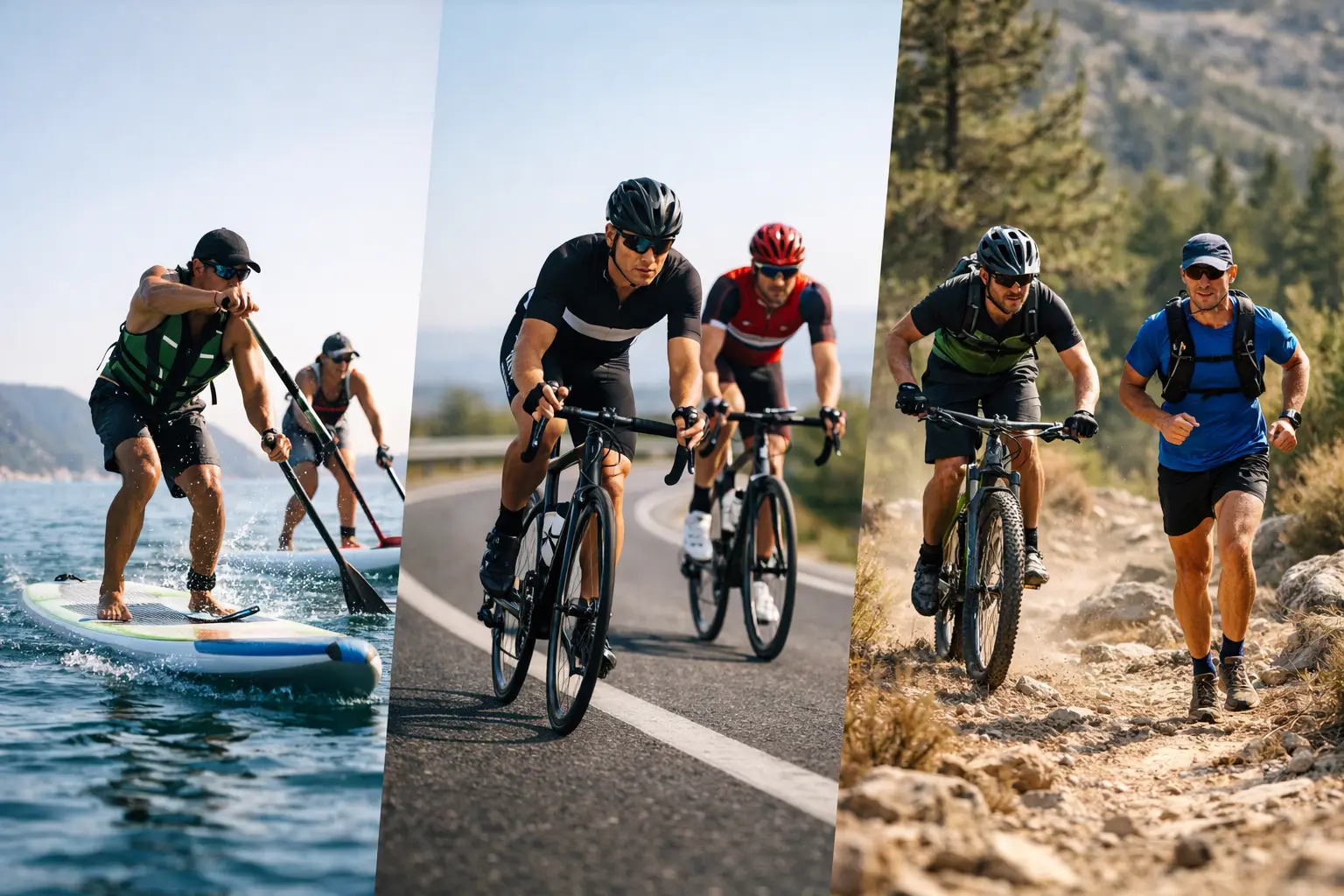
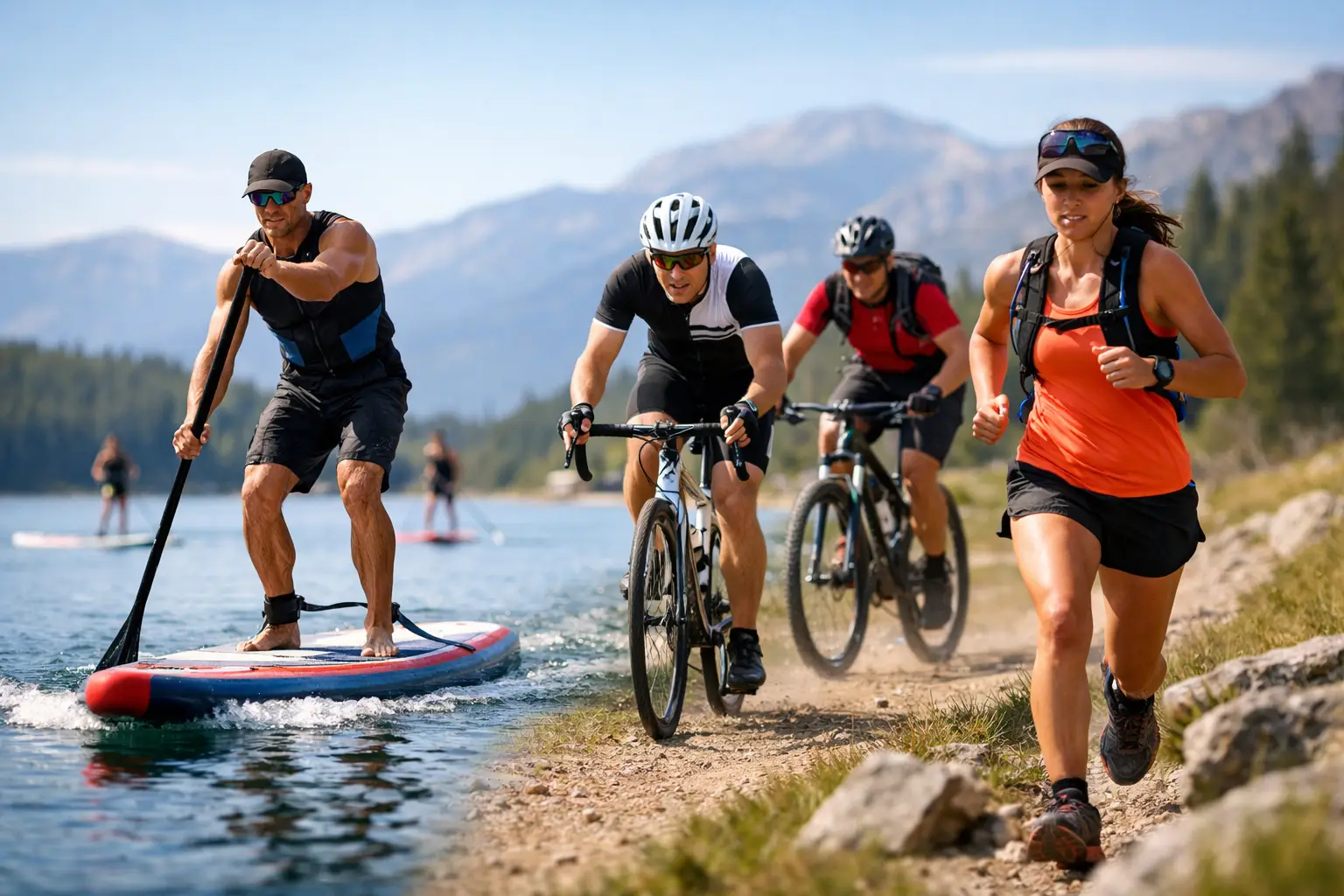
At SUPBIKERUN, for example, the format itself creates opportunities that are more interesting than standard race sponsorship. Paddleboarding, cycling and trail running each speak to slightly different communities, but together they create a wider adventure audience. That gives the right partner more than exposure to racers – it offers access to a broader outdoor lifestyle crowd.
What a good sponsorship package should include
A good package is clear, flexible and grounded in outcomes. It should cover physical presence on the day, digital reach before and after the event, and ways for the sponsor to interact with participants rather than just appear in the background.
Branding still has a role. Start arches, number boards, finish funnels, volunteer kit and event signage all deliver visibility. But visibility alone is rarely enough. The stronger layer is activation – product testing, sampling, challenge prizes, live demos, wellness support, content capture or branded experiences in the event village.
Data matters too, within sensible boundaries and proper permissions. Sponsors want to know who they reached, how many turned up, what engagement looked like and what happened afterwards. Organisers do not need to drown partners in spreadsheets, but they do need to prove that the audience was real and that the event delivered.
The smartest packages also leave room for tailoring. A national headline partner and a local café should not be offered exactly the same thing. One may want broad campaign integration. The other may simply want to serve the crowd and be associated with a great day outdoors. Both can be valuable if the fit is right.
Measuring whether sponsorship actually worked
If sponsorship success is judged only by how many logos appeared in photos, everyone is aiming too low. The better question is what changed because the sponsor was there.
That might be increased sales on site, stronger social engagement, product trial, newsletter sign-ups, partner content, repeat bookings or sponsor renewal. It can also include softer signals such as participant feedback, brand sentiment and word-of-mouth. Outdoor sport is built on recommendation. If people leave saying a sponsor genuinely added to the day, that is worth paying attention to.
There is an important nuance here. Not every result shows up instantly. Some partnerships work because they build trust over time. A sponsor that returns year after year starts to feel like part of the event. That consistency often outperforms a one-off splash, especially in community-led sports where loyalty matters.
Common mistakes organisers and sponsors should avoid
The biggest mistake is treating sponsorship as an afterthought. If it is wedged into the event late, activations feel awkward and opportunities get missed. The best results come when sponsors are considered early enough to align with course planning, site layout, participant communications and content creation.
Another mistake is overpromising. If an event is still growing, say so. A smaller but highly engaged field can still be very attractive, especially to specialist outdoor brands. Honest numbers build better relationships than inflated claims.
Sponsors can get this wrong as well. Turning up with generic branding, no understanding of the audience and no plan for engagement is a fast route to being ignored. Outdoor participants are there to race, explore and enjoy the day. If the brand interaction feels useful and human, it lands. If it feels like a sales stand dropped into a field, it does not.
Where the biggest opportunities are heading
The strongest growth is likely to come from partnerships that blend experience, content and community. Outdoor events are naturally visual, story-led and social. That gives sponsors a lot to work with, especially when the organiser can capture the full atmosphere – not just the podium shot, but the journey, the support crew, the weather, the campsite and the finish-line relief.
There is also more room for values-led partnerships, provided they are real. Sustainability, local sourcing, active travel, inclusivity and wellbeing all matter to this audience, but only when backed by action. If a sponsor can support refill points, reduce waste, improve accessibility or help newcomers feel welcome, that says far more than a slogan ever will.
The events that will win sponsorship long term are the ones that stay true to their identity while making it easy for partners to belong. Outdoor sport does not need more noise. It needs better collaboration between organisers who know their crowd and brands willing to earn their place in it.
For sponsors, that is the opportunity. Back an event that people genuinely care about, and your brand becomes part of the story they tell afterwards. That is a stronger result than attention you have to rent.