
A team lunch can lift the mood for an afternoon. A branded water bottle might make it to the gym once. But corporate wellbeing starts to mean something when colleagues step outside, take on a challenge together and discover a different side of the people they work with every day.
For active teams, an outdoor event can do far more than fill a date in the calendar. It creates stories, shared effort and the kind of confidence that does not disappear when everyone logs back into their inbox on Monday morning. The best experiences are not about forcing people to become elite athletes. They are about giving everyone a reason to move, support one another and have a proper adventure.
Why corporate wellbeing needs more than a perk
There is nothing wrong with fruit bowls, wellbeing apps or a Friday finish. They can all play a useful part in helping people feel looked after. The problem comes when wellbeing is treated as a collection of benefits rather than a lived part of team culture.
People are more likely to feel connected to work when they feel connected to each other. That is difficult to build through a screen, a meeting room or another organised social where everyone stays in the same familiar groups. Shared physical activity changes the dynamic. The usual job titles matter less when one person is fixing a bike chain, another is offering encouragement on a hill, and everyone is working towards the same finish line.
Outdoor challenge also brings a welcome change of pace. Being active in the open air gives people space from the usual pressure points of the working week. There is a practical focus in front of them: keep moving, navigate the course, cheer the team on and enjoy the view when the hard work is done. That is a powerful reset, particularly for teams that spend long hours at desks, in meetings or travelling between sites.
The aim is not to claim that one event solves stress, workload or poor management. It will not. Genuine corporate wellbeing still depends on reasonable expectations, good leadership, fair policies and access to support when people need it. But a thoughtfully chosen team challenge can make those wider commitments feel real rather than simply written down in a policy document.
Corporate wellbeing works when it feels voluntary and real
The fastest way to drain the fun from a team event is to make people feel judged. A corporate wellbeing activity should stretch people without turning into a test of who is fittest, fastest or most fearless.
That means choosing an experience with clear routes, proper event support and options that suit different confidence levels. Some colleagues will relish the chance to push hard. Others may be returning to exercise, trying paddle boarding for the first time or joining mainly to be part of the group. All of those reasons are valid.
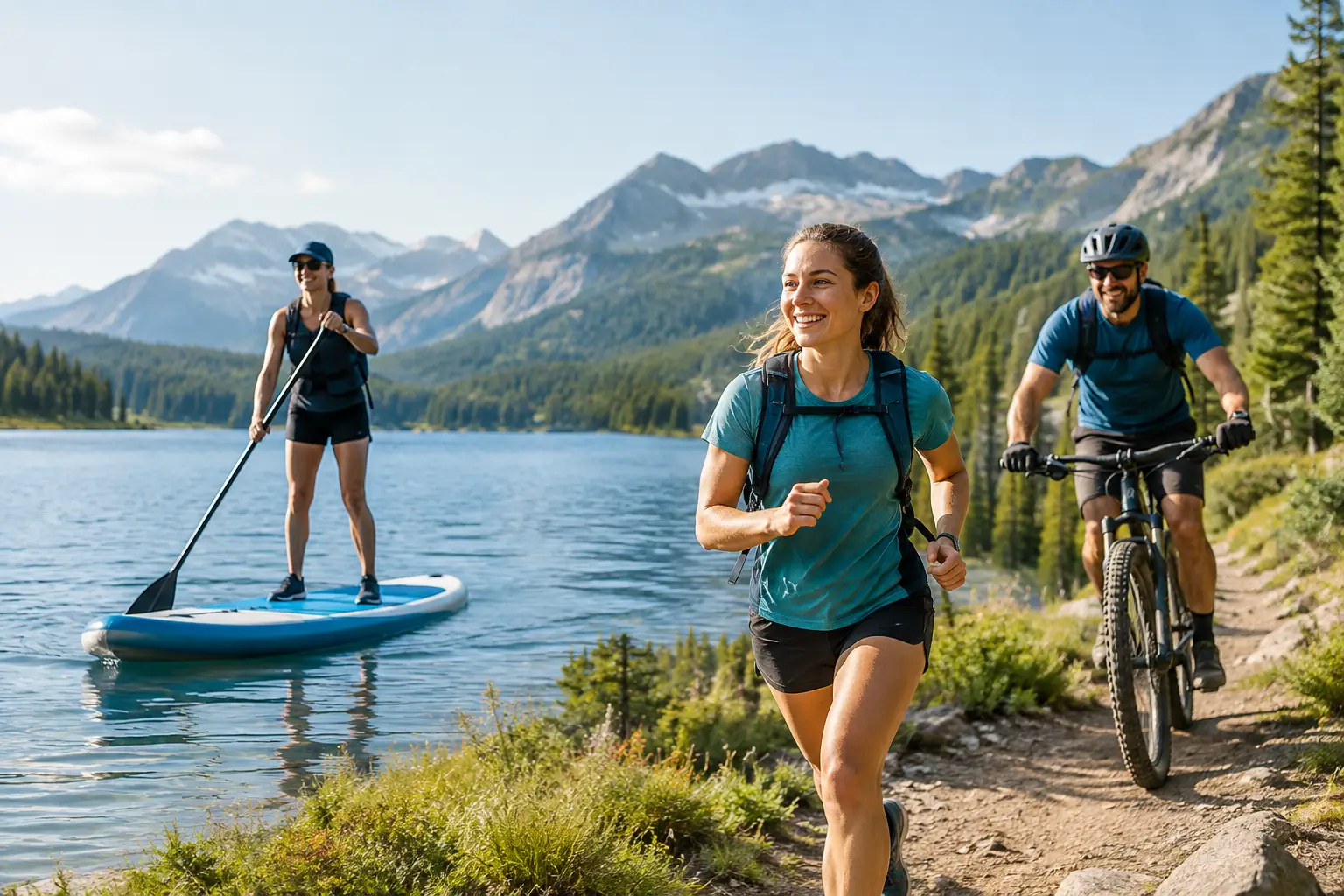
Adventure triathlon is particularly effective because it offers variety. Paddle boarding, cycling and trail running ask different things of people, and every discipline has its own appeal. The keen cyclist may find a new challenge on the water. The regular runner may enjoy learning how to handle a board. Someone who would never sign up for a conventional triathlon may be far more tempted by an event built around mud, trails, fresh air and a good atmosphere.
For employers, that variety makes the invitation easier to sell. It is not just another fitness challenge. It is a day out with purpose, a chance to share an experience and an achievable goal to train towards together.
Build a team around encouragement, not pressure
The language used before the event matters. Avoid presenting participation as proof of commitment or making the day feel compulsory. Instead, be clear that the goal is to have a go, look out for each other and enjoy the experience at every level.
It also helps to make participation broader than racing alone. Some colleagues may prefer to volunteer, cheer at key points, help with team logistics or join the post-event celebration. They still become part of the story. A strong wellbeing culture makes room for people to contribute in ways that work for them.
Managers have a role here too. When senior people join in with honesty, including admitting they are nervous about a discipline or need to walk part of a route, they make it safer for others to do the same. The most memorable team moments rarely come from perfection. They come from effort, laughter and someone finding the energy to carry on because their colleagues are beside them.
Turn one event into lasting momentum
A big outdoor challenge is most valuable when it is not treated as a one-off. The event day may be the highlight, but the weeks around it are where much of the team benefit builds.
Give people time and permission to prepare. A weekly lunchtime walk, a casual after-work ride or a beginner paddle session can create low-pressure reasons to get moving. Keep it simple and accessible. Not everyone will attend every session, and that is fine. Consistency comes from making the next step easy, not from demanding a complete lifestyle overhaul.
Training together can also break down silos before anyone reaches the start line. Colleagues who would not normally meet may end up swapping kit advice, arranging a weekend run or encouraging each other through the first few sessions. The conversation moves beyond work without becoming forced.
Afterwards, do not let the achievement vanish into a group photo and a polite thank you. Share the stories. Celebrate the person who tried something new, the team member who helped a colleague through a difficult section and the group that kept spirits high in the rain. Those details show what the organisation values.
If the experience lands well, it can become an annual marker in the team calendar. People have something positive to train for, new starters have a clear way into the culture, and returning participants can bring others along. SUPBIKERUN events are designed for exactly that mix of challenge, community and professionally managed adventure, whether teams are heading to Mid Wales, Devon or the Lake District.
Get the practical details right
A great idea can lose momentum quickly if the planning feels chaotic. Before choosing an event, consider how travel, accommodation, kit, entry costs and time away from work will affect participation. The more friction an employer can remove, the more inclusive the opportunity becomes.
Funding all or part of entry can make a meaningful difference, particularly where cost might otherwise exclude people. It is also worth thinking carefully about kit. Participants should know what they need, what can be hired and what is supplied. Nobody wants to discover the week before that they need specialist equipment they had not budgeted for.
Safety and accessibility deserve equal attention. Ask clear questions about event support, route information, cut-off times, medical cover and ways to adapt the experience for different abilities. A challenging event should feel exciting because of the adventure, not because people are unsure whether they will be looked after.
Finally, set realistic expectations. Not every workplace needs a full triathlon team, and not every team needs the same level of challenge. For some, a shared goal of completing an entry-level route will be exactly right. For others, the thrill lies in taking on a bigger distance or competing as a group. Corporate wellbeing is strongest when the experience fits the people, rather than asking people to fit a pre-set idea of wellness.
The next team-building day does not need another meeting room, another trust exercise or another round of polite small talk. Give people a trail, a board, a bike, a finish line and the freedom to surprise themselves. The mud will wash off. The shared confidence tends to stick around.