
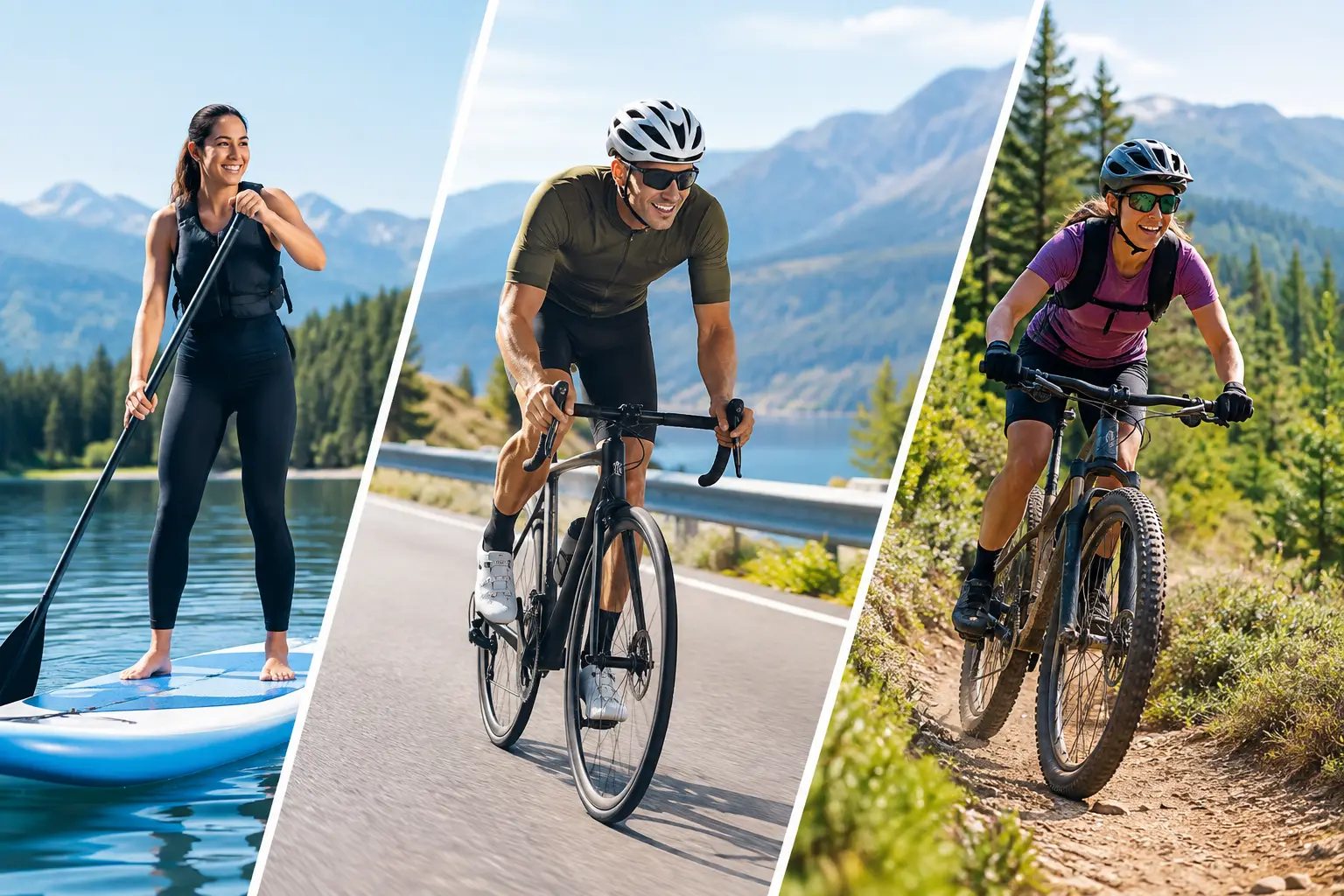
A hotel meeting room, a tray of pastries and a half-hearted step challenge will not cut it for teams who spend their working weeks staring at screens. The strongest corporate wellness event trends are heading outside, getting people active and giving colleagues a shared story to take back to work.
For employers, this is not about turning every colleague into an endurance athlete. It is about creating a proper break from routine: fresh air, achievable challenge, plenty of encouragement and the kind of finish-line buzz that lasts longer than a branded water bottle.
Corporate wellness event trends are getting more adventurous
Corporate wellbeing used to mean a lunchtime yoga class or a talk about stress management. Those things still have their place, especially when a team needs something low-key and accessible. But more businesses are now looking for experiences that feel like an occasion rather than another calendar invite.
Outdoor challenge events fit the brief. They bring movement, nature and shared purpose together, without asking people to pretend they enjoy a forced icebreaker. A paddle, ride and trail run can turn colleagues who only know each other through video calls into a team that has navigated a hill, carried kit, swapped encouragement and celebrated a finish together.
That change reflects what people actually want from workplace perks. They want time that feels well spent. They want a challenge they can personalise. And they want to be included without being singled out for their fitness level.
Experience beats the generic away day
The best corporate events have moved beyond passive entertainment. A memorable day asks people to take part, make decisions and support one another. That does not need to mean an all-out race. A well-designed adventure event can offer different distances, pace options and roles, so the competitive colleague and the first-time participant both have a brilliant day.
The payoff is bigger than a few good photos. Shared physical challenge creates natural conversations. People see each other’s strengths in a different setting – the calm organiser, the person who keeps morale high on a climb, the colleague who quietly helps someone find their confidence on the water.
Inclusion is becoming the measure of a good event
An active event only works as a wellness investment if people genuinely feel able to join in. That is why one of the most useful corporate wellness event trends is flexibility. The old approach of booking one demanding activity for everyone can leave part of the team watching from the sidelines.
A better approach gives people choices. That could mean shorter and longer routes, solo and relay entries, non-competitive participation, or clear opportunities to volunteer and support. It also means sharing practical information early: what kit is needed, what the terrain is like, whether beginners are welcome and what support is available on the day.
Inclusion is not the same as making an event easy. A good challenge should still feel like an achievement. The difference is that people should be able to choose their version of the challenge, rather than being pushed into a format that does not suit them.
For corporate organisers, this requires a little more thought at the booking stage. Ask the team what would make them feel comfortable taking part. Avoid assuming that the loudest runners or cyclists represent everyone. A mixed group often benefits from a range of entry options, and from making the social side of the day just as valuable as the finish time.
Nature is part of the wellbeing offer
There is a reason outdoor events are gaining ground. Getting away from fluorescent lights and constant notifications changes the tone of a day immediately. Muddy trainers, a lakeside briefing and a view worth stopping for can do more for team energy than another afternoon indoors.
This does not mean every corporate event has to be an expedition. The right location and format depend on the group, the season and the confidence levels involved. But nature gives an experience a sense of scale. It makes people focus on what is in front of them, whether that is balancing on a paddleboard, navigating a trail or reaching the top of a climb.
For UK teams, that can be particularly powerful. We have brilliant landscapes close enough for a weekend challenge, and unpredictable weather can become part of the tale afterwards. Good event organisation matters here. Clear safety briefings, qualified support, route marking, welfare facilities and sensible contingency plans give people the confidence to embrace the adventure.
Team challenges are replacing individual leaderboards
Competition can be fun, but it is no longer the only measure of success. More companies are choosing formats that reward collective effort: relay teams, paired entries, fundraising targets or team milestones. This brings people together without making slower participants feel as though they are holding everyone back.
A relay format is especially useful for mixed-ability groups. One person may love the bike leg, another may be happiest on the trail, and someone else may be ready to take on the paddle. Together, they complete something bigger than any individual effort. It is team-building with a real point to it.
There is a trade-off. A highly competitive format can create a huge buzz for already sporty teams, while a broader team challenge usually brings in more people. Neither is automatically better. The right choice depends on whether the business wants to reward performance, improve participation or create an annual shared tradition.
Wellness events need a reason to continue
A single event can lift morale, but lasting value comes from what happens before and after race day. Businesses are increasingly pairing a challenge with light-touch preparation: optional lunchtime walks, beginner cycling meet-ups, group training plans or a team chat where people can ask practical questions without feeling judged.
The key is to keep it welcoming. No one needs a strict twelve-week programme to join a corporate adventure event. But a few chances to move together beforehand can lower the barrier, build excitement and help beginners arrive feeling prepared.
Afterwards, make space for the story. Celebrate participation, not only podium places. Share the team photos. Thank the people who organised transport, checked in on colleagues and brought the energy. If the group enjoyed the experience, give them a next step – another event, a local club session or a team target for next year.
This is where an event becomes part of workplace culture rather than a one-off perk. People begin to see movement as social, achievable and enjoyable. That matters far more than a short-lived burst of motivation.
What to look for when choosing an outdoor corporate event
The glossy pictures matter, but the operational detail matters more. A corporate group organiser should look for an event that combines adventure with a clear participant journey. People need to know where to be, what to bring, how long the day will take and who can help if they are nervous or need support.
Look closely at the entry formats. Can colleagues take part as individuals, pairs or relay teams? Are there realistic options for first-timers? Is equipment available to hire where appropriate? Can the group camp, travel together or meet afterwards for food and a proper debrief?
Safety should be visible, not hidden in small print. Water-based and off-road events need experienced teams, solid briefings, sensible cut-off times and support that understands the environment. The most adventurous experiences are often the ones that feel easiest to join because the infrastructure is so well organised.
SUPBIKERUN is built around that balance. Combining paddle boarding, cycling and trail running, it gives corporate groups a chance to take on something properly different while being supported by an experienced event team. It is challenging, social and far removed from the standard conference-room team day.
Make the invitation feel like an opportunity
How you present the event internally can decide whether people sign up. Lead with the experience, not pressure. Tell colleagues it is a chance to get outdoors, try something new and be part of the team – not a test of who is fittest in the office.
Use honest language about the challenge and make the options clear. A confident cyclist may need reassurance about paddle boarding. A regular runner might be unsure about mountain biking. When people understand that support, guidance and flexible formats are available, curiosity replaces hesitation.
The most successful corporate wellness events do not demand that people become someone else for a day. They give them a well-organised reason to show up, have a go and surprise themselves. Pick a challenge with room for every kind of teammate, then get the date in the diary and start building the buzz.