
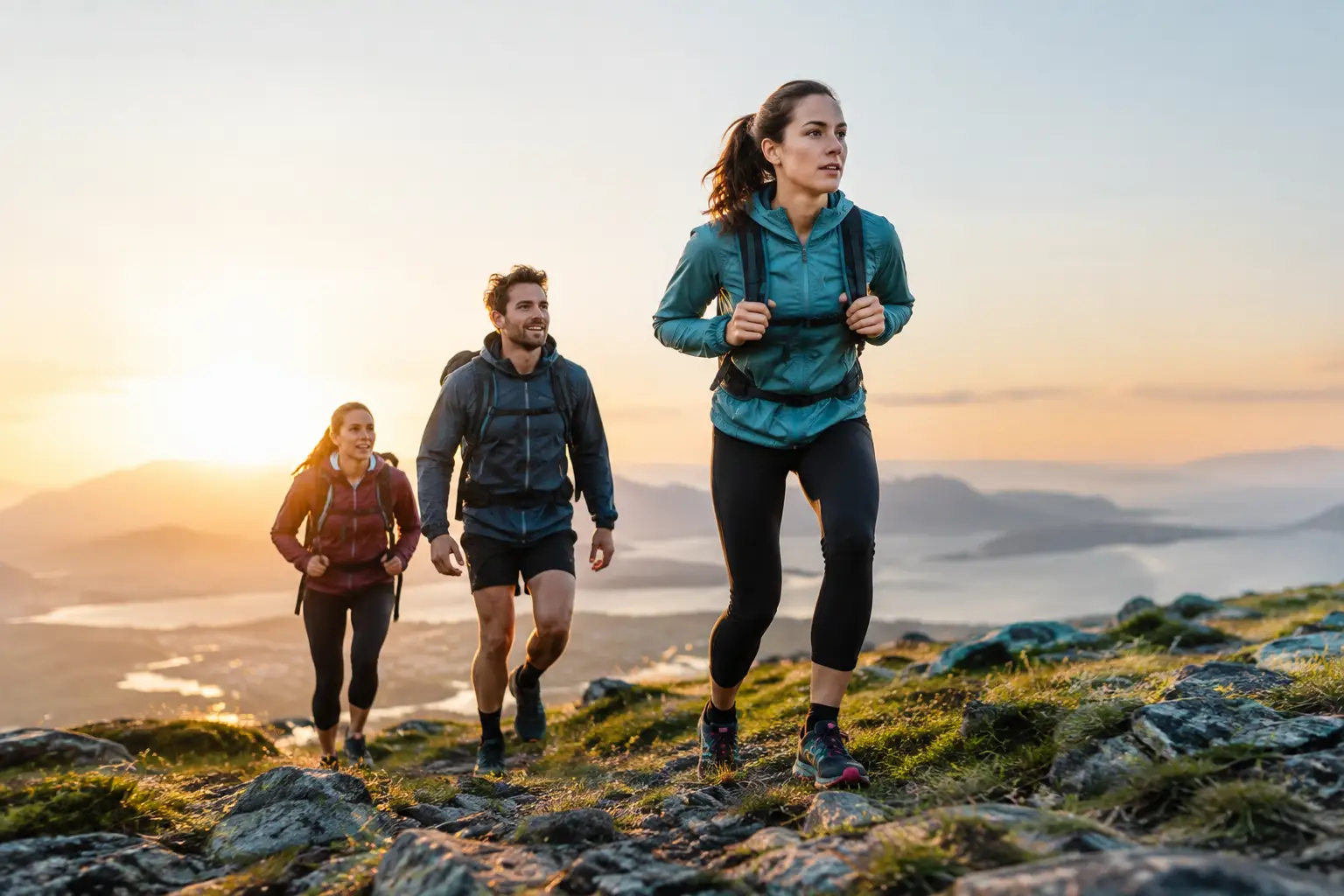
A team can sit through a polished workshop, agree to communicate better, then return to exactly the same habits by Monday morning. Put that same group on a muddy trail, a paddleboard or a bike route with a shared finish line, and the conversation changes fast. That is how to build corporate teams with genuine momentum: give people a challenge that asks them to show up for one another.
Corporate team building does not need another hotel conference room, forced icebreaker or day spent pretending everyone loves trust falls. The strongest experiences create real shared effort, plenty of encouragement and stories people are still telling weeks later. Outdoor adventure does that brilliantly – provided the day is designed for people, not just for a photo opportunity.
Start with the team you have, not the team you wish you had
Before choosing an activity, be honest about what your group needs. Is the team newly formed and still finding its feet? Are different departments working in silos? Has a demanding period left people disconnected? Or are you rewarding a group that has delivered something big?
The answer shapes the experience. A sales team that thrives on competition may enjoy a timed challenge, while a mixed group of colleagues may get more from a collaborative format where progress matters more than pace. If morale is the issue, a social adventure with achievable stages and time to talk can be far more useful than a punishing endurance test.
Set one or two clear outcomes. You might want better cross-team relationships, more confidence in tackling unfamiliar problems, or simply a proper shared reset away from desks and video calls. Keep it simple. A corporate day that tries to fix every cultural issue in one go will feel like work in outdoor clothing.
How to build corporate teams through shared challenge
The best challenges have enough edge to feel meaningful, but not so much that half the group feels excluded before it starts. This is where an adventure format earns its place. When colleagues paddle, cycle and run together, different strengths become visible. The quick thinker may need to slow down and support a nervous teammate. The quiet colleague may turn out to be the person who keeps everyone calm when the route gets tough.
That shift matters. In the workplace, people are often defined by job title, seniority or who speaks first in a meeting. Outside, contribution looks different. Someone who knows how to read a map, repair a loose strap, keep spirits up or spot when another person needs a breather can become central to the team.
The aim is not to manufacture adversity. It is to create a manageable challenge where people have to communicate, adapt and make room for one another. A well-run event gives teams choices too: when to push, when to regroup and how to get everybody to the finish feeling proud.
Make participation feel possible
The fastest way to weaken a team-building event is to make people feel they have been signed up for something beyond them. Adventure should bring a healthy buzz, not dread. A corporate group will include keen cyclists, occasional runners, people who have never stood on a paddleboard and colleagues managing injuries, confidence barriers or simply a busy family life.
Make expectations clear from the start. Explain the physical demands, kit requirements, timings and available support in plain language. Offer route or distance options where possible, and make it clear that participation is valued over performance. Nobody should feel they have to prove themselves to their manager just to enjoy the day.
Inclusivity does not mean removing the challenge. It means designing challenge intelligently. Teams can still work hard, get muddy and earn their finish-line grin while having sensible options that match different fitness levels. The result is a more representative group experience, rather than a day enjoyed only by the already sporty few.
If your event includes activities such as paddleboarding, cycling and trail running, experienced event staff, clear safety briefings and well-planned transitions are essential. The freedom of an outdoor challenge only feels exciting when the practical details are handled properly.
Give teams a reason to work together
A group outing becomes team building when the format rewards cooperation. That does not mean banning competition. A little friendly rivalry can raise the energy, particularly when teams are cheering each other through a final stretch. But competition should support the experience, not dominate it.
Build in moments where teams need to make decisions together. They might plan who takes on which stage, manage their pace to keep everyone together, complete a navigation task or choose how they support a teammate who is finding a section difficult. These are small decisions, but they reveal the habits that matter at work: listening, clarity, patience and accountability.
Leaders should take part too. Not as organisers standing at the edge with a clipboard, but as team members. It can be refreshing for a senior person to ask for help, laugh at a wobble on a board or be the one offering encouragement up a hill. That kind of shared experience can cut through hierarchy in a way a leadership presentation rarely does.
Protect time for the bits between the action
The challenge is the catalyst, but connection often happens in the gaps. Give people time to chat over coffee, share a packed lunch, compare muddy trainers or celebrate at the finish. These unplanned conversations are where colleagues learn what they have in common beyond project deadlines.
Avoid packing the itinerary so tightly that everyone rushes from one task to the next. A great corporate adventure has pace, but it also breathes. If people are camping, staying nearby or gathering for food afterwards, the experience can build naturally without turning into another structured networking session.
For groups travelling from different offices, an event in Mid Wales, Devon or the Lake District can create a genuine break from routine. The location is not just scenery. Being somewhere unfamiliar helps people leave their usual roles behind and be more present with one another.
Turn the finish line into something useful
Do not let the team-building value end when the medals are handed out. While the experience is fresh, create a short, honest moment for reflection. Ask what helped the team get through the day, where communication worked well and what they would do differently next time.
Keep this light and specific. You are not running a lengthy debrief; you are giving the group a chance to connect the experience to everyday work. Perhaps they noticed that the team moved faster once someone set a clear pace, or that encouragement changed the mood when energy dipped. Those observations can become useful language back at the office.
Managers can help by referring to the day later. When a project gets tricky, a simple reminder of how the team handled a steep climb or supported the slowest rider can bring the shared memory back into play. It sounds small, but culture is built from repeated signals about how people behave when things are not easy.
Choose an event partner with real event experience
A corporate adventure day should feel relaxed for participants, not improvised. Look for organisers who understand both the thrill of outdoor sport and the practical work behind it: safety planning, qualified support, clear joining information, equipment guidance, route management and contingencies for changing conditions.
SUPBIKERUN gives corporate groups a distinctive way to take on paddleboarding, cycling and trail running in one unforgettable event experience. It is built for people who want more than a standard away day – a proper challenge, a shared laugh and a finish line worth earning.
The right format depends on your people. A small leadership group may want a more demanding day with time for deeper conversation. A larger company group may need flexible distances, accessible entry points and a lively event atmosphere that lets everyone take part in their own way. Ask what will make the group feel stretched, supported and genuinely included.
The best corporate teams are not built by asking people to bond on command. They are built when colleagues face something real together, find a way through it and come away knowing a little more about what each other can do.