A logo on a finish-line banner is not a sponsorship strategy. The brands people remember are the ones that make a hard climb feel easier, a muddy finish feel worth celebrating, or a first big challenge feel possible. When you sponsor an outdoor participation event, you are stepping into a live experience where people are switched on, taking part and ready to talk about what just happened.
For brands that belong in sport, wellbeing, travel, nutrition, outdoor kit or active lifestyle, that is a powerful place to be. The right event puts your business in front of people who have chosen effort over the sofa and a weekend outdoors over another scroll through their phones. Better still, it gives you the chance to be useful rather than simply visible.
Why sponsor an outdoor participation event?
Mass-participation adventure events attract people who care about how they spend their time. They train for them, persuade mates to enter, arrange lifts, pack kit and share the whole experience afterwards. That commitment creates a far stronger connection than a fleeting advert ever can.
An outdoor event also brings together more than competitors. There are supporters at transition, families at the finish, volunteers keeping the day moving, local businesses and an online community following the build-up. A well-chosen partnership can reach all of them while giving participants something that genuinely improves their day.
That does not mean every event sponsorship delivers the same value. A huge race may offer scale, but a smaller adventure event can create warmer conversations and a more memorable brand presence. It depends on your objective. If you need mass awareness, audience size matters. If you want product trial, credible stories and time with a highly relevant community, a focused participation event may be the stronger choice.
The audience is there for a challenge, not a sales pitch
Outdoor athletes can spot a lazy activation from a mile away. Handing out leaflets beside a car park or placing a logo where nobody pauses will not build much goodwill. The best sponsor presence feels like part of the event experience.
Think about the moments participants value most: getting prepared, feeling nervous on the start line, managing energy mid-course, celebrating at the finish and reliving the day with friends. A brand that supports one of those moments earns attention naturally.
For example, a nutrition partner could help participants understand fuelling before the event, provide a clearly managed feed point on the day and offer practical recovery ideas afterwards. An outdoor clothing brand might provide a kit-care station, weather-ready advice or a prize for a brilliant community story. A vehicle, travel or accommodation partner could make arriving with bikes, boards and muddy kit easier.
The key is relevance. If the activation solves a real problem, it will be welcomed. If it only interrupts the day, it will be ignored.
Choose the right kind of partnership
Sponsorship is not one fixed package. Before discussing banners, agree what success should look like for both sides. Do you want people to try a product, collect leads, build brand awareness, create social content, entertain clients or demonstrate a genuine commitment to active communities? A clear answer shapes everything that follows.
Make the event and audience fit your brand
Look beyond headline participant numbers. Ask who enters, why they take part and what the event stands for. Adventure triathlon audiences are often motivated by personal challenge, time outside, friendship and a sense of achievement. They may be competitive, but they do not need a highly polished elite-race atmosphere to have an incredible day.
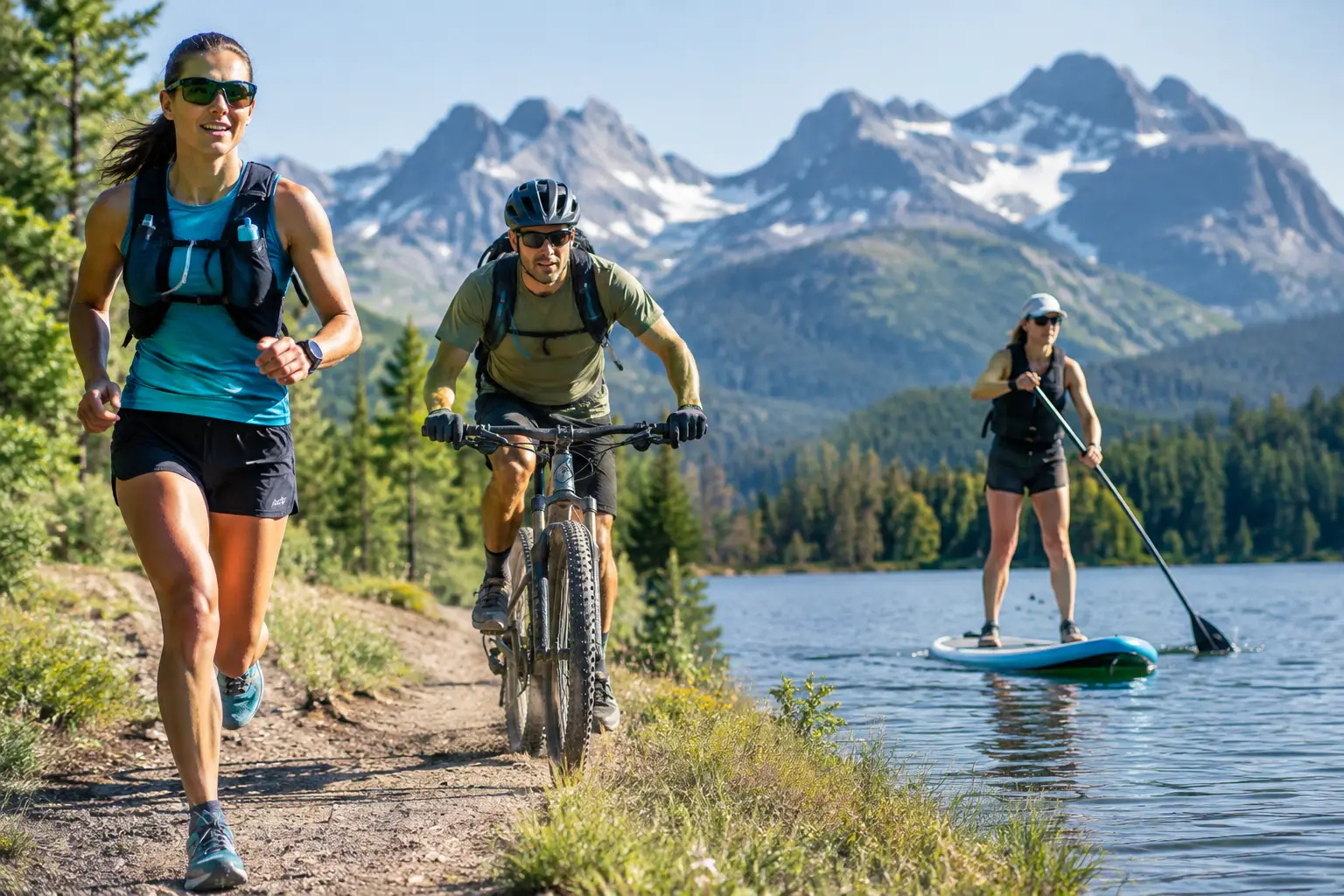
That makes a good fit for brands with a practical, positive and people-first personality. At SUPBIKERUN, for instance, paddle boarding, cycling and trail running create natural opportunities for partners that understand multi-discipline adventure, but the strongest partnerships are built around shared values as much as shared equipment.
Consider the full participant journey too. Some brands are most useful during training. Others come into their own at registration, on course, in the event village or in the post-event conversation. Do not force your product into every stage. Own the moment where it makes the biggest difference.
Ask what is included, then ask what is possible
A sponsor package should set out clear deliverables: brand placement, event-day presence, social media activity, email visibility, sampling rights, content opportunities and hospitality or team-entry options. That clarity protects both sides and makes it easier to measure the work.
But the standard package is only the starting point. The real value often comes from a shared idea that participants will want to use, photograph or talk about. Perhaps it is a challenge-zone prize, an equipment check, a recovery space, a participant story series or a corporate team experience. Keep it achievable. A simple, brilliantly delivered activation beats an ambitious one that creates queues and confusion.
Build an activation people will actually use
The outdoor setting brings practical considerations. Weather changes, ground conditions matter and competitors are often carrying only the essentials. Design for those realities.
Keep signage clear and readable from a distance. Make any giveaway easy to carry or collect later. Train event staff and brand ambassadors to be helpful before they are promotional. Above all, make sure the activation can operate safely and efficiently around registration, transition areas, spectator routes and finish-line flow.
A useful test is this: would a participant still be pleased you were there if they never posted about it? If the answer is yes, you are building the right kind of relationship. Social sharing should be the result of a great experience, not the entire plan.
There is also a balance to strike between brand exposure and the character of the event. Outdoor participants have signed up for a day in the landscape, not a crowded trade show. Good organisers protect that atmosphere. Sponsors should welcome it, because it is precisely what makes the audience trust the event in the first place.
Measure more than impressions
A sponsorship report should not stop at logo reach. Impressions are useful, but they cannot tell you whether people understood your message, tried your product or felt more positively about your brand.
Set a small number of meaningful measures before the event. These might include samples given out, conversations held, competition entries, email sign-ups with clear consent, redemption codes, content created, hospitality attendance or feedback from participants. If brand awareness is the main goal, ask short post-event questions that reveal recall and sentiment.
Quality matters as much as quantity. Fifty conversations with people who are actively looking for their next adventure could be more valuable than thousands of passive views. Where possible, compare results with your original objective rather than judging every partnership by the same spreadsheet.
It is worth planning follow-up as well. Participants are often buzzing for days after a big event. A thoughtful post-event message, a useful offer or a piece of content celebrating their achievement can extend the partnership without feeling pushy. Respect consent and privacy, and keep the tone consistent with the day they have just experienced.
Give the partnership time to earn trust
One-off sponsorships can work, particularly for launches or a specific campaign. Yet a multi-year relationship often delivers more. Participants begin to recognise your brand, organisers learn how to make your activation better, and your team gains stronger stories to tell.
Consistency also shows that your interest in the community is real. Supporting a volunteer initiative, helping welcome first-timers, backing a local club challenge or bringing colleagues to take part can give a partnership depth that no banner can match.
The best reason to sponsor an outdoor participation event is not that it puts your name beside adventure. It is that it gives your brand a chance to contribute to it. Show up with a useful idea, respect the people taking on the challenge, and you will become part of the memory they take home.