
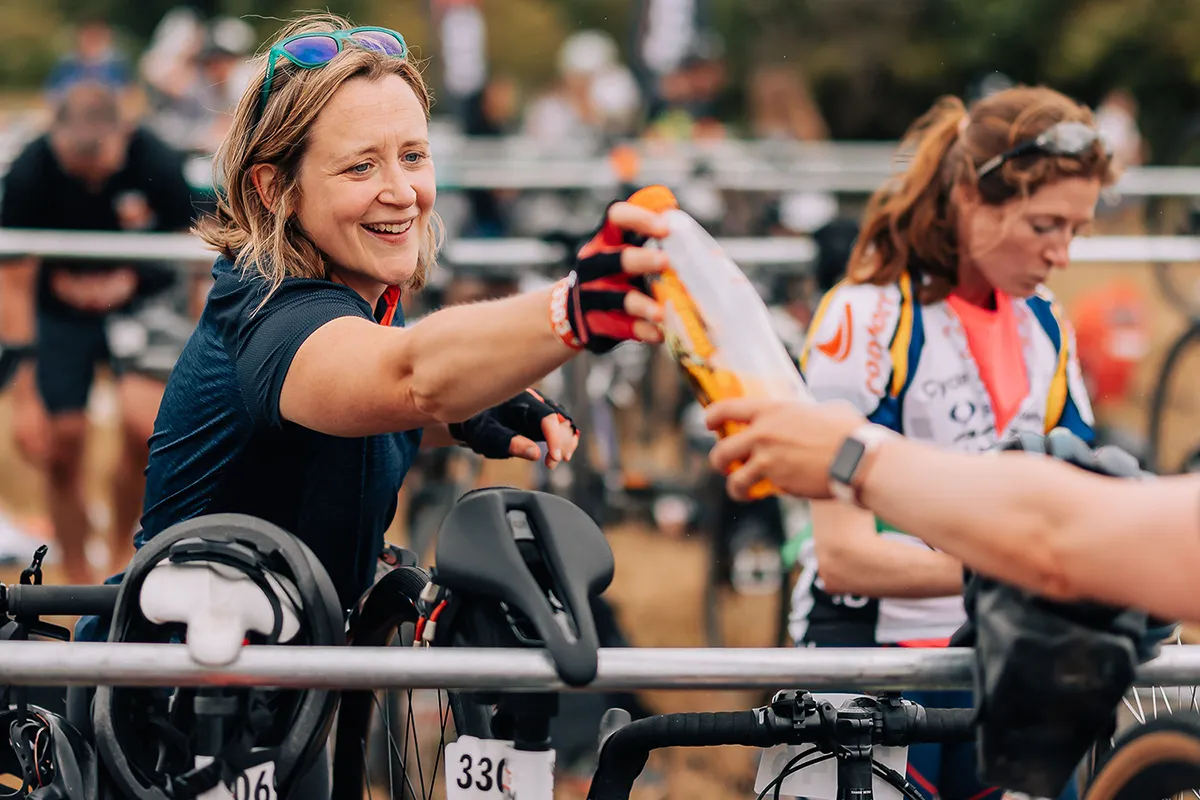
The difference between finishing strong and grinding through the final trail run on empty is rarely fitness alone. Knowing how to fuel an adventure triathlon means preparing for a day that moves between paddle board, bike and trail – with changing intensity, weather and terrain all asking different things of your body.
You do not need to eat like a professional athlete or carry a pocket full of mysterious powders. You do need a simple plan you have practised. The aim is straightforward: start with full energy stores, take in enough carbohydrate and fluid while you are moving, and choose food that your stomach can handle when the course gets lively.
Fuel for the event you are actually doing
Adventure triathlon is not a standard swim-bike-run formula. A paddleboard leg can feel deceptively calm, but it still uses energy and can leave your upper body working hard. Mountain biking brings repeated spikes in effort. Road riding may give you more chances to eat and drink. Trail running can make even a familiar gel difficult to swallow when you are climbing, descending or bouncing over uneven ground.
That is why your plan should reflect the course, your expected finish time and the conditions. A participant aiming to be out for two hours needs less on-course fuel than someone taking five, but both need to arrive properly fed and hydrated. A hot day demands more fluid and attention to electrolytes; a chilly, wet day can make you forget to drink even while you are still losing fluid.
Do not build your strategy around what the fastest person in your wave is doing. Build it around what you can comfortably consume, carry and remember to take.
The day before: top up, do not overdo it
The evening before is not the time for a heroic pasta mountain. You are simply topping up your carbohydrate stores and eating familiar food that sits well.
Choose a normal, satisfying meal built around carbohydrate, with some protein and vegetables. Rice, pasta, potatoes, noodles, wraps or bread all work. Keep very rich, spicy or high-fibre meals modest if they are not part of your usual routine. The same applies to alcohol: a celebratory pint may be tempting, but poor sleep and dehydration are not useful additions to race morning.
Sip fluids across the day rather than necking litres at bedtime. Your urine should generally be a pale straw colour, not completely clear. If you are travelling, camping or spending a long day outdoors before the event, keep a bottle nearby and make drinking easy.
Prepare your kit and nutrition at the same time. Put gels, chews, bars or real-food options where they will be accessible on the bike. If you have to stop, unzip a bag and hunt around every time you need fuel, you will put it off until it is too late.
Race-morning breakfast: familiar wins
Eat a carbohydrate-led breakfast around two to three hours before your start where possible. Porridge with banana and honey, toast with jam, cereal, a bagel or overnight oats are all solid options. Add a little protein if that suits you, but avoid making breakfast overly fatty or huge.
The right amount depends on your body size, appetite and start time. A larger athlete or anyone facing a longer course may need a more substantial meal. If nerves close down your appetite, do not force a full fry-up. Go for smaller, easier food such as toast, a banana, yoghurt or a drinkable carbohydrate option.
In the final 30 to 45 minutes, a small top-up can help: half a banana, a few chews, a gel you know agrees with you, or a few mouthfuls of sports drink. This is particularly useful if breakfast was early and you have been waiting around at registration.
How to fuel an adventure triathlon on course
For an event lasting longer than roughly 90 minutes, aim to take in carbohydrate regularly rather than waiting for hunger. A useful starting point is 30 to 60 grams of carbohydrate per hour. For longer events, experienced athletes may tolerate more, but there is no prize for forcing down a high intake that upsets your stomach.
One standard gel often provides around 20 to 25 grams of carbohydrate. A bottle of sports drink, a handful of chews, a banana or a small flapjack can also contribute. Mix and match if you prefer, but keep the maths simple enough to follow when you are tired.
Start early. Take your first mouthful or serving within the opening 30 to 45 minutes, then keep ticking over every 20 to 30 minutes. Small, regular amounts are easier on the gut and far more effective than realising you are fading and taking three gels at once.
The bike is usually your best feeding opportunity. Your hands are steadier than on the paddleboard, and eating is generally easier than on a technical descent or steep trail climb. Use calmer sections of road or track, not the moment you need both brakes and full attention. If the route includes mountain biking, put easy-to-open fuel somewhere you can reach without a wrestling match.
Real food can be brilliant for athletes who tire of sweet gels. Mini jam sandwiches, banana, salted boiled potatoes, flapjack pieces or soft cereal bars may work well. The trade-off is bulk, mess and chewing. Save more solid food for the bike, and carry quicker options for later when the trail run makes chewing less appealing.
Drink to the conditions, not to a fixed rule
There is no single perfect number of millilitres per hour. Sweat rates vary hugely, and weather across Mid Wales, Devon or the Lake District can change quickly. As a broad guide, many athletes drink around 400 to 800ml per hour, adjusting for heat, effort, body size and personal sweat rate.
Drink little and often. Water may be enough for a shorter, cool event, especially if you are eating carbohydrate foods. For longer racing, warm weather or heavy sweaters, an electrolyte drink can help replace sodium lost in sweat and make fluids more appealing.
Avoid trying to drink huge volumes of plain water in a short period. That can leave you bloated and, in extreme cases, dilute the sodium in your blood. If you finish a session with salt crusting on your kit, regularly crave salty food afterwards or know you sweat heavily, test an electrolyte plan in training.
A hydration pack can be useful for longer courses, but it adds weight and may feel awkward on the paddleboard. Bottles are lighter and simpler, yet they limit how much you can carry. Choose the setup that lets you drink consistently without making transitions a faff.
Train your stomach as well as your legs
Race day should not be the first time you try caffeine gels, concentrated drink mix or a new energy bar from the expo. Your gut is trainable, but only when you give it repeated practice.
Use longer weekend rides, trail runs and brick sessions to test timing, flavour, texture and quantity. Start with the lower end of carbohydrate intake, then build if you are comfortable. Practise eating when your breathing is up, when the trail is uneven and after you have spent time on the bike. That is where your real plan gets built.
Caffeine can be a useful performance boost for some people, especially later in a longer event, but it can also cause jitters, urgent toilet stops or a racing heart. Treat it as an optional tool, not a requirement. If you use it, test the dose before race day and remember that coffee, cola, gels and pre-workout products can all add up.
Read the warning signs before they become a bonk
A sudden drop in power, irritability, poor concentration, shaky legs and an overwhelming urge to walk can all point to low energy availability. If this happens, back off the effort slightly, take carbohydrate with fluid and give it time. Trying to push harder through a genuine energy dip usually makes the final stages harder.
Nausea or a sloshing stomach is different. Slow down, sip fluids and avoid forcing more food immediately. It may be caused by drinking too much, taking fuel too quickly, heat or simply working beyond what your gut can process. This is another reason to start eating early and little rather than late and lots.
Recovery starts when you cross the line
The first priority is simple: keep warm, rehydrate and eat something you enjoy. Within an hour or two, aim for carbohydrate to replenish energy and protein to support muscle repair. A recovery shake is convenient, but a sandwich, milk drink, yoghurt with fruit, rice bowl or proper post-race meal does the job just as well.
If you are staying to soak up the event atmosphere, do not forget the basics while celebrating with your crew. Keep drinking, add some salt if conditions were hot, and pack a warm layer. Your legs will thank you on the journey home.
Fuel well enough to stay present for the whole experience. The paddle, the ride, the trails, the finish-line stories and the people around you are all better when you have energy left to enjoy them.