
Corporate Adventure Team Building That Works
The quickest way to spot weak team building is simple: half the room checks out before the first icebreaker has finished. That is exactly why corporate adventure team building has moved from a nice extra to a serious option for businesses that want better communication, stronger morale and a day people will actually talk about afterwards.
When a team is out on the water, on the bike, or working their way across mixed terrain, the usual office habits fall away. Titles matter less. Clear thinking matters more. You find out who keeps calm, who lifts others, who adapts fast, and who needs support when the plan changes. That is where the value sits – not in forced bonding, but in shared challenge.
Why corporate adventure team building lands differently
A good team day should create momentum, not just fill the calendar. Adventure-based formats do that because they ask people to do something real together. There is a start point, a finish line and a genuine sense of progress in between.
That matters for modern teams, especially when people work across departments, sites or hybrid schedules. Many colleagues know each other through meetings, messages and deadlines, but not through action. Put them in an outdoor setting with a clear goal and the dynamic changes quickly. People communicate more directly, support each other more naturally and remember the experience far more vividly than they would remember another hotel conference room activity.
There is also a practical benefit. Outdoor challenge tends to reveal behaviours that are useful back at work. Who takes initiative without taking over? Who notices when a teammate is struggling? Who keeps standards high while still making the day enjoyable? Those are not abstract leadership principles. They show up in real time.
What makes adventure-based team building effective
Not every active away day delivers the same result. The best corporate adventure team building experiences strike a balance between challenge, accessibility and proper event delivery.
If it is too easy, it feels flat. If it is too extreme, part of the group gets left behind. The sweet spot is an experience that stretches people without making them feel set up to fail. That is where well-designed outdoor events stand out. The atmosphere can be relaxed and welcoming while the challenge still feels meaningful.
Structure matters just as much as excitement. Teams need clear timings, reliable safety support, organised logistics and a format that gives everyone a way in. A brilliant concept with loose delivery creates stress. A well-run event creates confidence, and confidence is what lets people enjoy the challenge rather than worry about the basics.
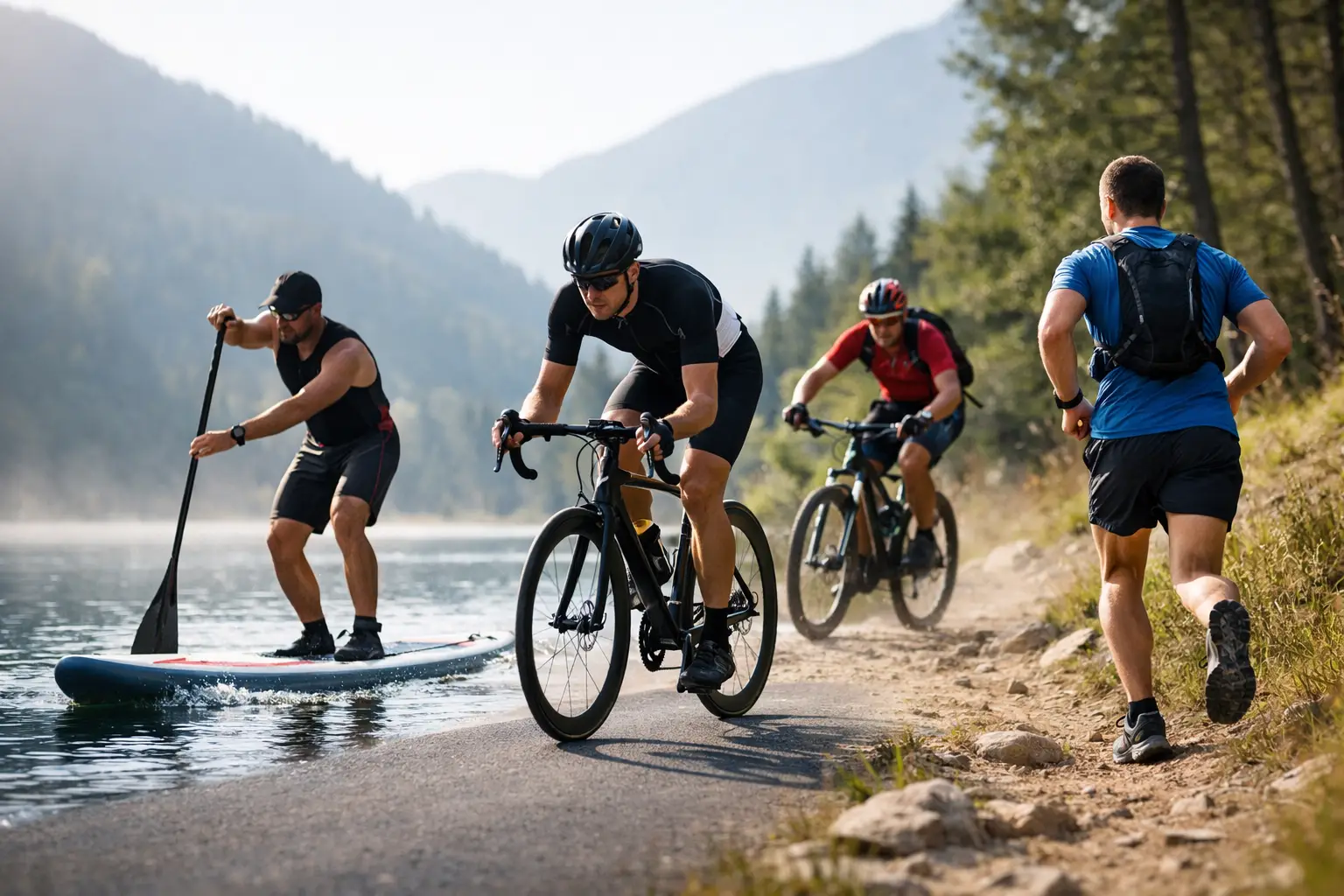
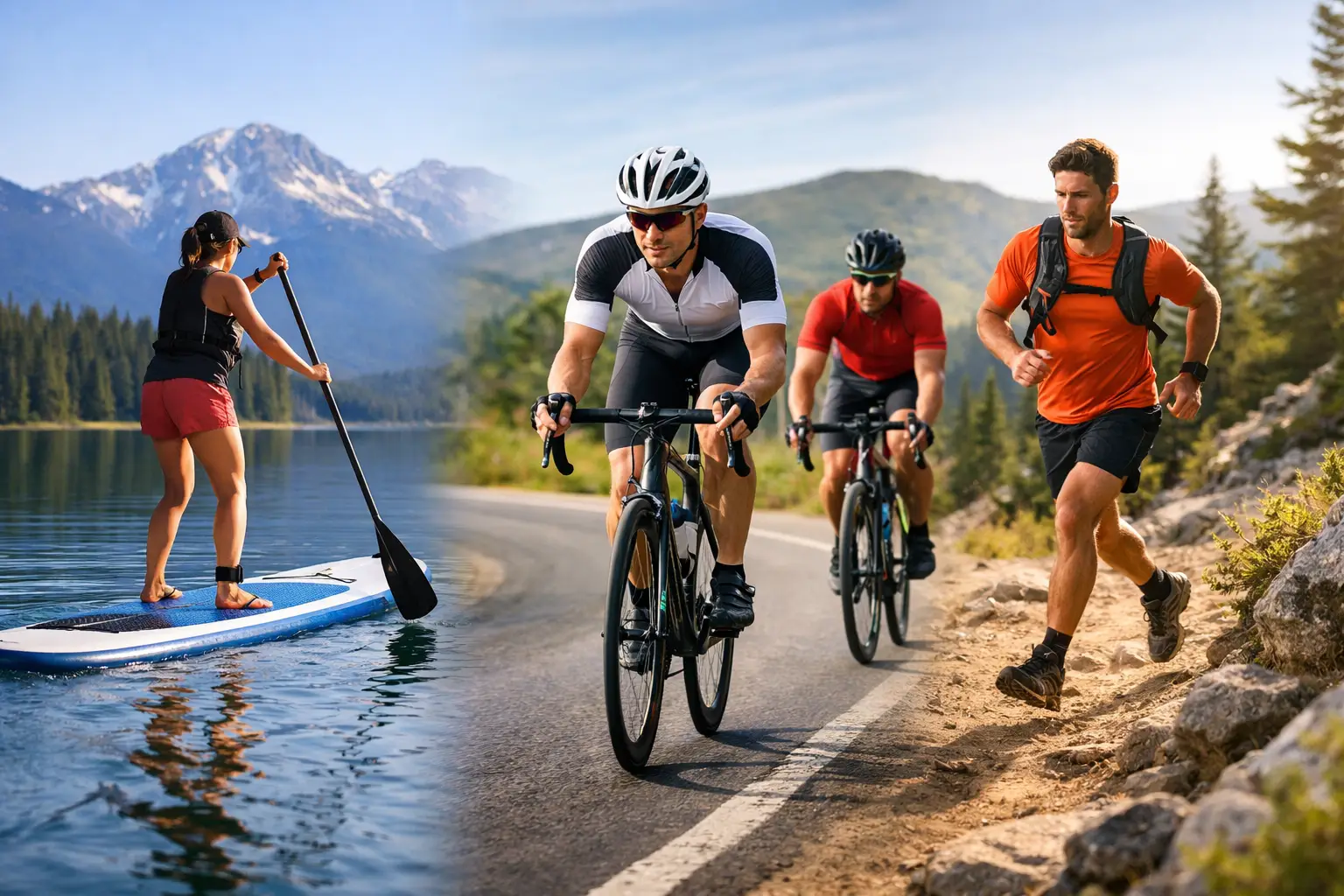
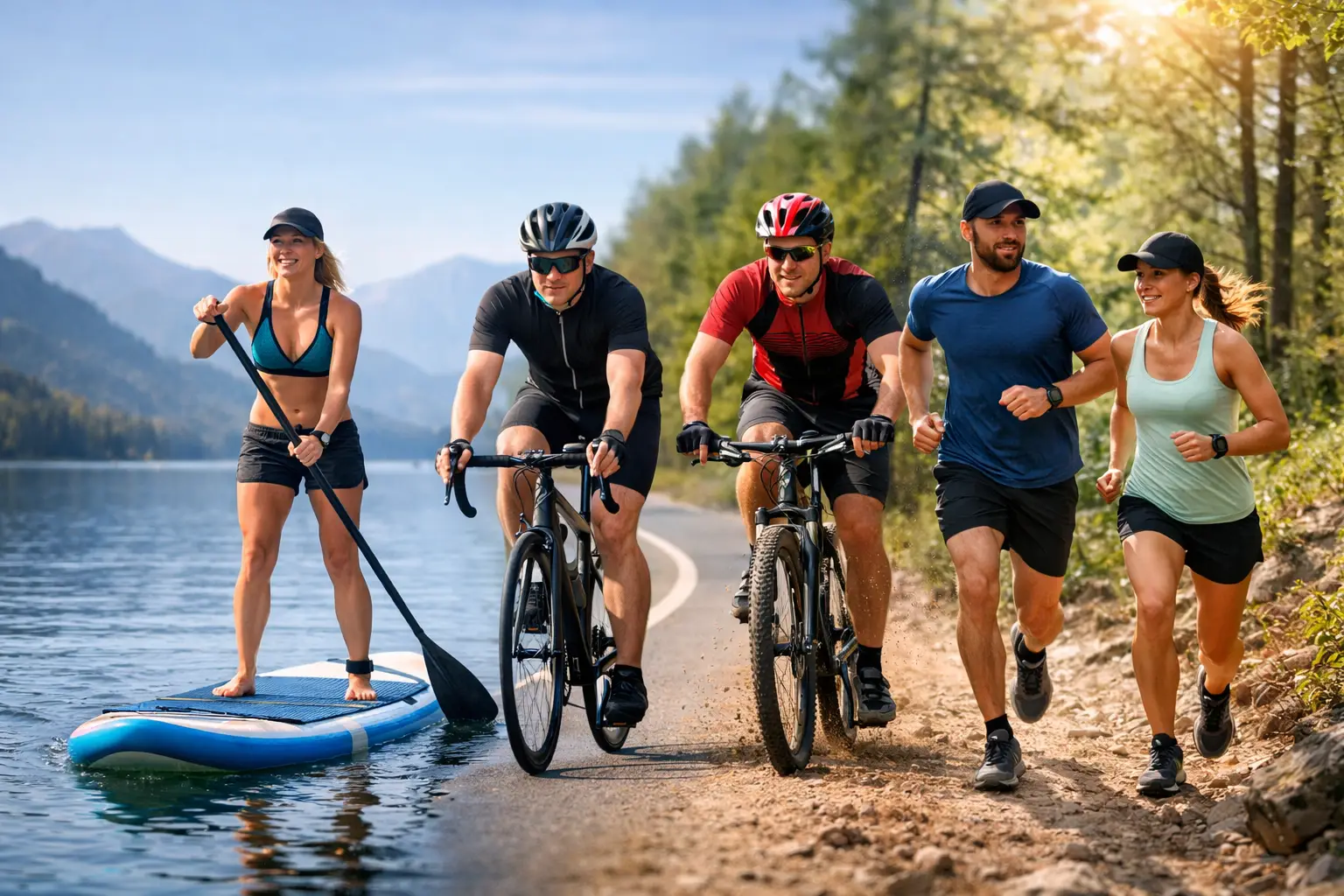
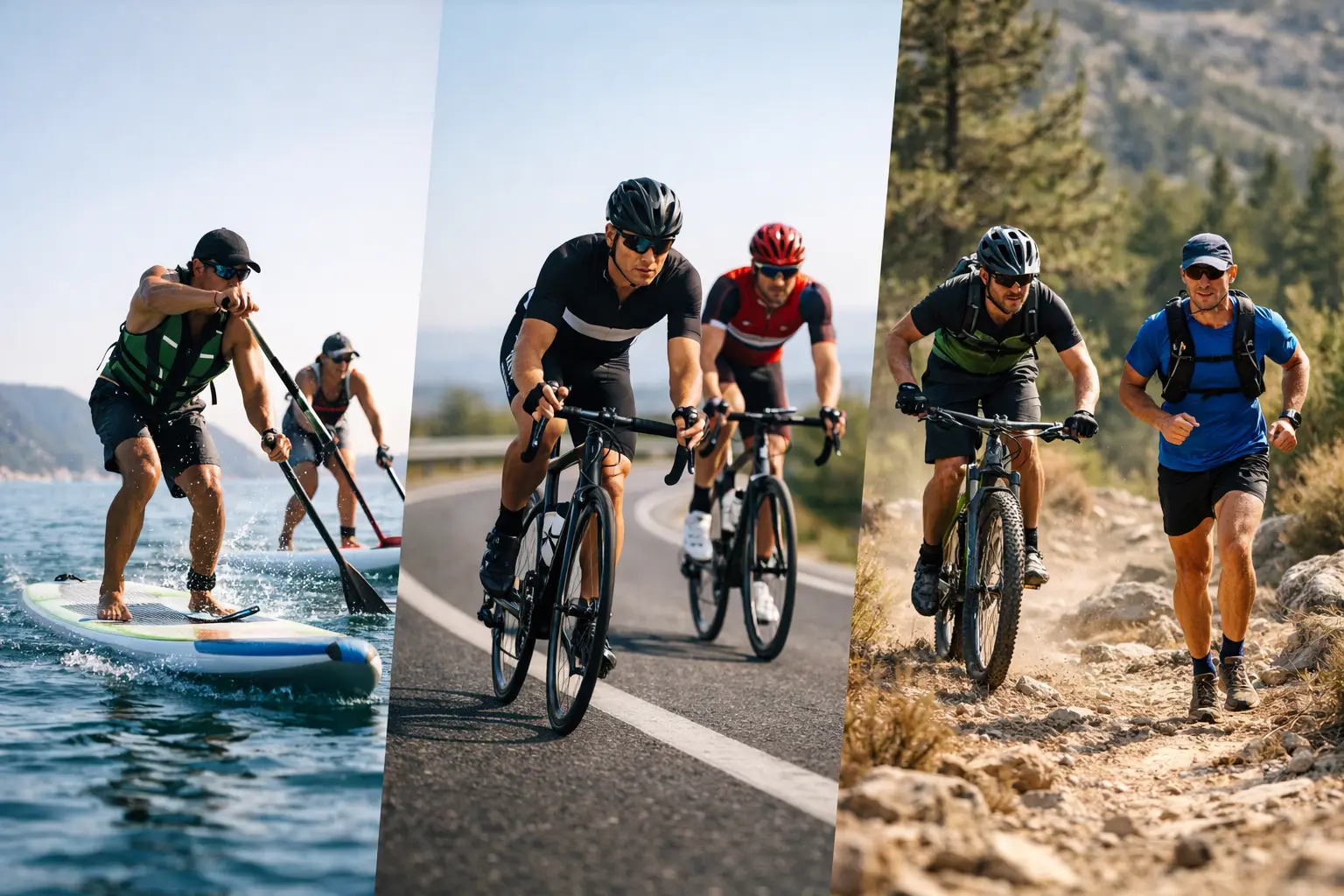
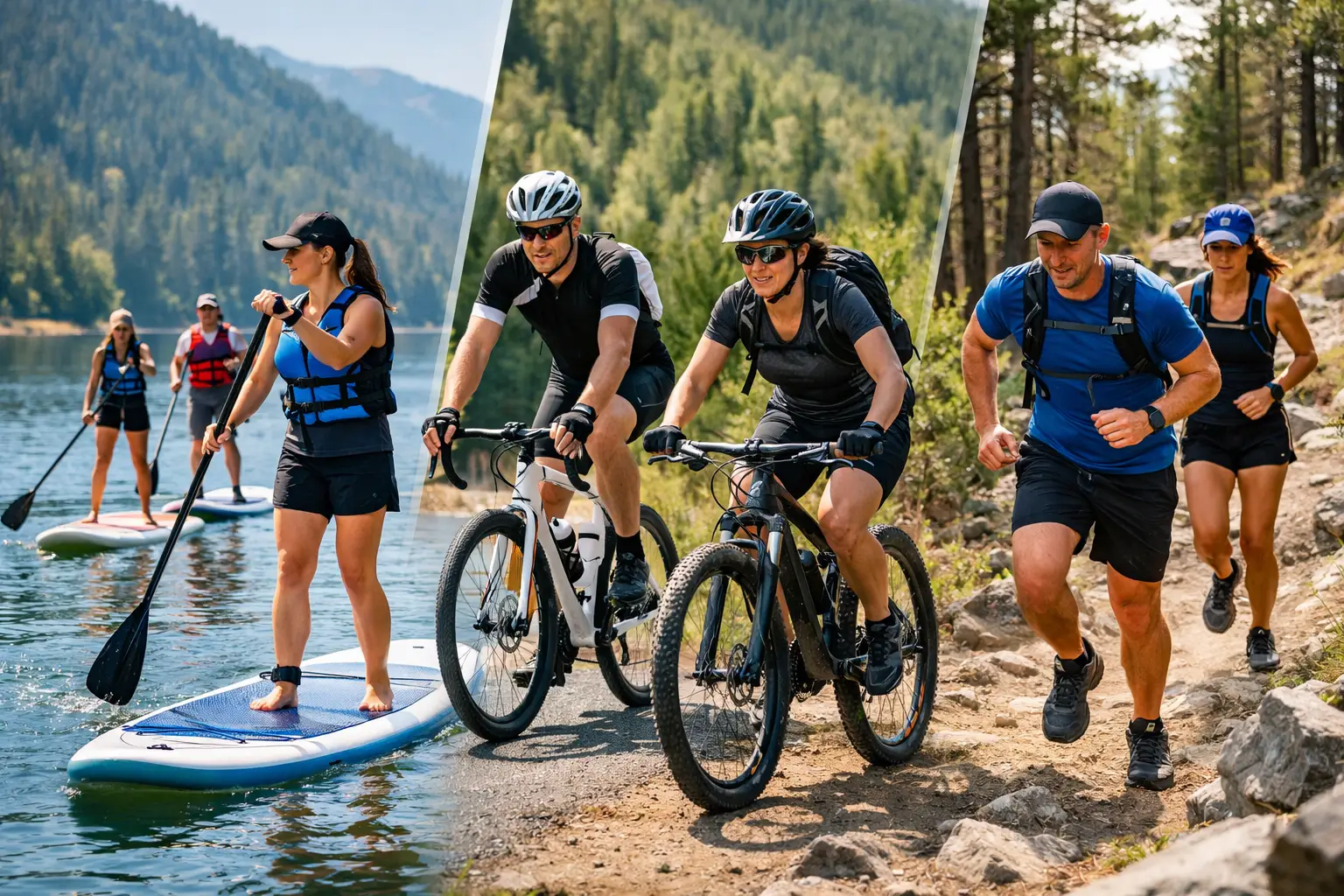
For many businesses, the strongest format is one that mixes disciplines. That could mean paddleboarding, cycling and trail running, or another combination of outdoor activities that rewards different strengths. Mixed-format challenge works well because no single person dominates the whole day. One colleague may be strongest on the bike, another may be the calm organiser on the water, another may keep morale high when legs get heavy on the run.
Corporate adventure team building for mixed-ability groups
This is usually the biggest question, and rightly so. Most companies are not made up of elite athletes. They are made up of people with different fitness levels, confidence levels and previous experience.
That does not mean adventure is off the table. It means the event has to be designed with real people in mind. The strongest programmes build in options, pacing and support so the day feels inclusive rather than intimidating. Challenge should be shared, but it does not have to be identical for every person.
For example, some groups thrive on a competitive format with timings and team targets. Others get more from a participation-first approach where the focus is finishing together, encouraging each other and enjoying the setting. Neither is automatically better. It depends on the team culture, the reason for booking and how experienced the group is in outdoor activity.
This is where confident event organisation really matters. Good providers know how to brief participants properly, manage safety without killing the atmosphere and create a day that still feels adventurous even when the group includes first-timers. People do not need to arrive as specialists. They need to arrive ready to take part.
What teams gain beyond the day itself
The obvious win is morale. People enjoy doing something different, especially when it gets them outside and away from screens. But the longer-term value usually runs deeper than that.
Shared challenge builds trust quickly because it creates honest moments. Someone offers a hand getting off a board. Someone checks in when a teammate is fading on a climb. Someone cracks a joke at exactly the right time and resets the mood. Small moments like these can shift how people work together afterwards.
There is also a reset effect that many businesses underestimate. Teams under pressure can get stuck in functional mode – efficient enough to keep moving, but not especially connected. An outdoor event breaks that pattern. It gives people a fresh context, a bit of headspace and a reason to interact beyond their job title.
For leadership teams, adventure formats can be particularly useful. They expose how decisions get made under pressure, how communication flows when conditions change and whether leaders are genuinely supportive or simply directive. None of that needs to be turned into a corporate lecture. The learning happens because the experience is real.
Choosing the right format for your team
The best event is not always the hardest one. It is the one your team will fully buy into.
If your group is competitive and active, a multi-discipline challenge can create real buzz. It gives teams a proper target and a sense of achievement that lasts beyond the finish. If your group is newer to outdoor events, a lighter format with strong support and a more social pace may deliver better results.
Location matters as well. Teams tend to engage more when the environment feels like part of the experience rather than just a backdrop. Water, trails, open landscape and a proper event base all add to the sense that this is something different from the standard away day.
It is also worth thinking about what happens around the challenge itself. Arrival, briefing, kit support, refreshments, spectator options and post-event downtime all shape the overall feel. The activity may be the headline, but the wider experience is what makes the day feel polished and memorable.
For companies wanting something bolder than the usual package, SUPBIKERUN-style event formats show what is possible. Combining paddleboarding, cycling and trail running creates a team experience that feels adventurous, social and genuinely rewarding, while still relying on the kind of planning and event infrastructure that gives organisers peace of mind.
The trade-off: excitement versus accessibility
There is always a balance to strike. Go too hard on the endurance angle and you narrow the audience. Go too soft and the day risks feeling forgettable.
That is why the best corporate adventure team building programmes are honest about who they are for. Not every event suits every company, and that is fine. Some teams want a big physical challenge. Others want outdoor energy without the pressure of performance. A strong organiser helps you choose the right level rather than overselling a format that does not fit.
Weather is another factor, especially in the UK. Outdoor events need contingency planning, clear communication and a team that can adapt without drama. Done well, unpredictable conditions can even add to the story. Done badly, they can derail the whole experience. Professional delivery is what separates an exciting day out from a logistical headache.
Why this kind of team building gets remembered
Most people do not remember the slides from a strategy day. They do remember battling a headwind together, laughing through a muddy section, or crossing the finish after a challenge they were not quite sure they could do.
That memory has value. It gives teams a shared reference point that feels earned. It creates stories, inside jokes and a bit of collective pride. For employers, it also says something about culture. You are not just asking people to show up. You are giving them an experience that respects their time and offers something real.
That is the appeal of corporate adventure team building when it is done properly. It is active, yes, but not activity for activity’s sake. It is purposeful, social and energising. It gives teams a proper challenge and the support to rise to it.
If you want a team day people speak about with a grin rather than a shrug, take them somewhere the office script no longer applies. Put them outdoors, give them a challenge worth sharing, and let the team show you what it can do.