
Why Outdoor Fitness Challenge Events Work
There is a big difference between finishing a workout and finishing something you will still be talking about on Monday. That is why outdoor fitness challenge events have found their moment. They give people more than a start line and a finish time. They offer a proper day out, a test of grit, a hit of scenery, and the kind of atmosphere that makes effort feel shared rather than lonely.
For active adults who are tired of the same gym circuit or standard road race, that mix matters. You still get the training goal, the event buzz and the personal challenge, but with a lot more character. Mud on your calves, wind in your face, mates cheering from the side, a course that asks questions of you, and a finish that feels earned in the best way.
What makes outdoor fitness challenge events different
Not all challenge events are built the same. Some are all-out competitive. Some are more about completion. The best outdoor fitness challenge events sit in the sweet spot between proper physical effort and genuine enjoyment.
That balance is exactly why they appeal to such a broad crowd. You do not need to be an elite athlete to want an experience that feels bold. Equally, strong racers do not want a soft option. A well-designed event gives both groups room to show up on their own terms. It can be demanding without being intimidating, and sociable without losing its edge.
The outdoor setting changes everything. Terrain adds variety. Weather adds unpredictability. Natural features turn a course into an experience rather than a closed loop. A trail run feels different from pounding pavements. A paddleboard leg asks for balance, rhythm and calm under pressure. A bike section through open countryside has a completely different energy from an indoor spin class with a playlist and fluorescent lights.
That is the point. Outdoor challenge events feel alive.
Why people are moving beyond traditional race formats
Road races, standard triathlons and gym-based competitions still have their place. For some people, they are exactly the right fit. But there is a growing appetite for events that feel less rigid and more memorable.
A lot of participants want challenge without the old-school intensity that can make sport feel exclusive. They want proper structure, clear safety planning and reliable event management, but they do not necessarily want the culture that can come with highly formal race environments. That is where modern adventure-led formats stand out.
They make space for performance and personality. You can push hard, chase a time and test yourself, while still enjoying the setting and the people around you. For many entrants, that is a better version of participation sport. It feels serious enough to matter and relaxed enough to enjoy.
There is also a practical reason this trend keeps growing. People are more selective with their weekends. If they are going to commit to training, travelling and paying for an event, they want it to feel worth the effort. A challenge race in a great location with a strong community feel, good event support and a distinctive format is simply more compelling than another forgettable start pen.
The appeal of multi-discipline adventure events
Single-sport events have clarity. You know exactly what you are getting into. But multi-discipline events bring a different kind of excitement because they test more than one skill set.
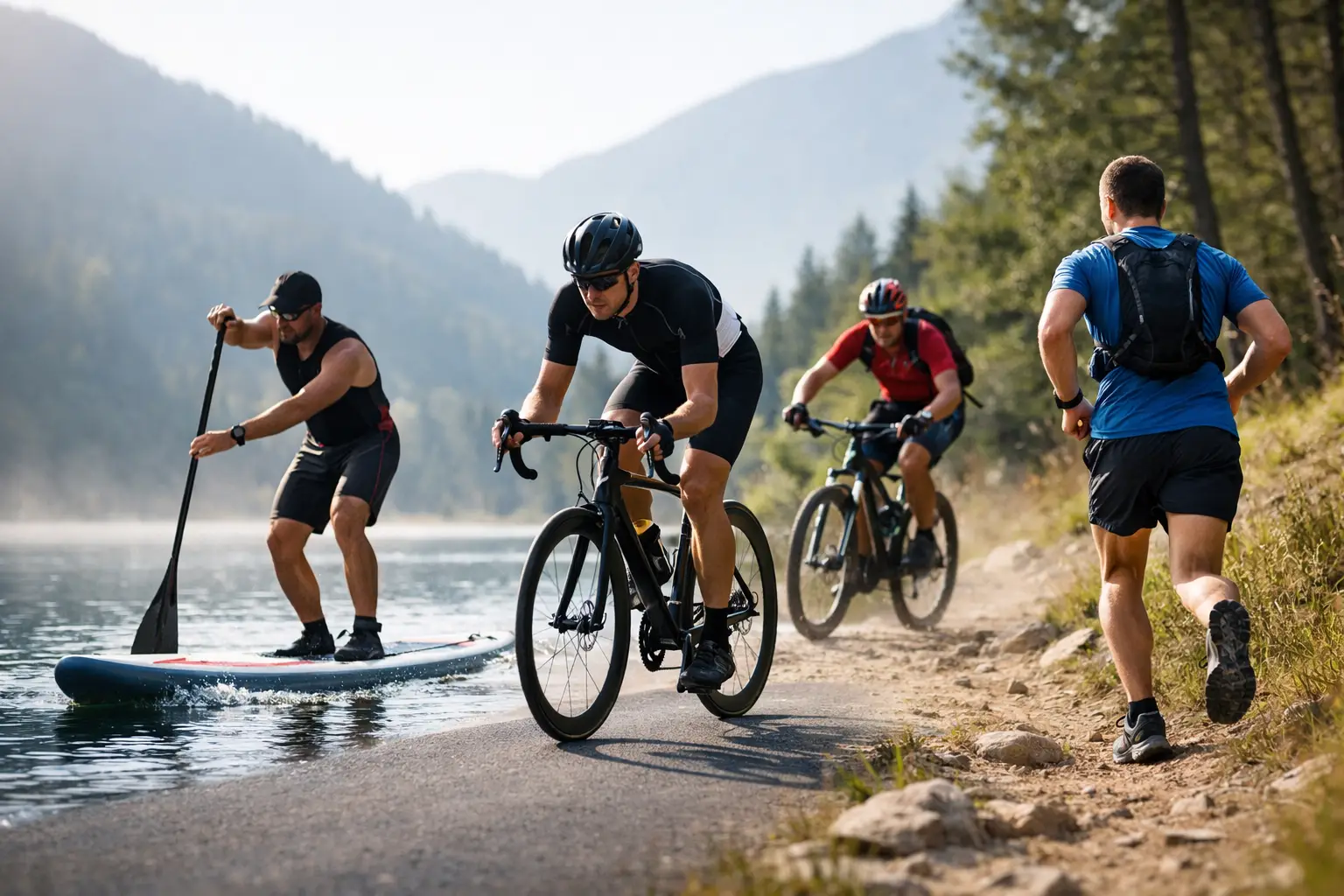
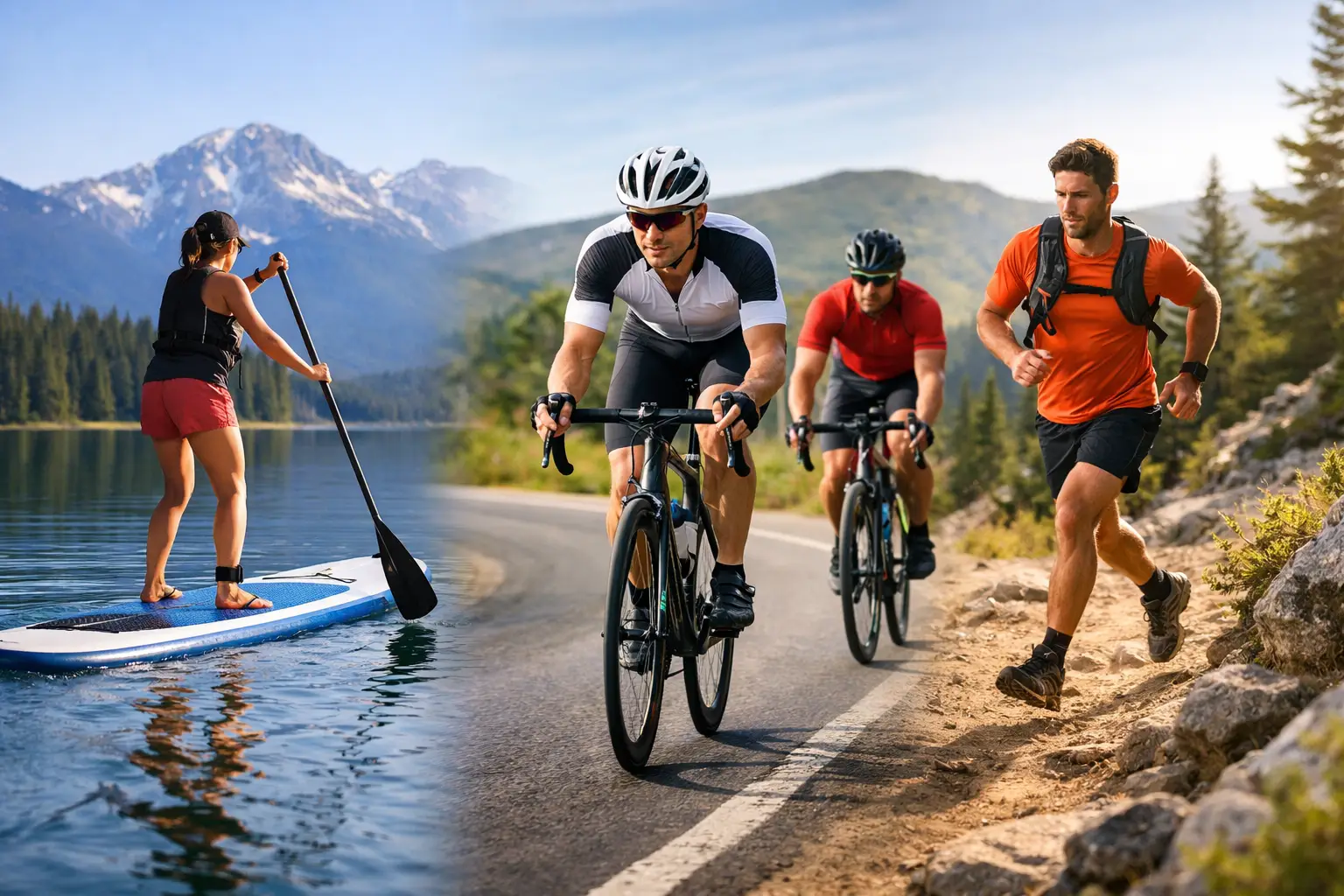
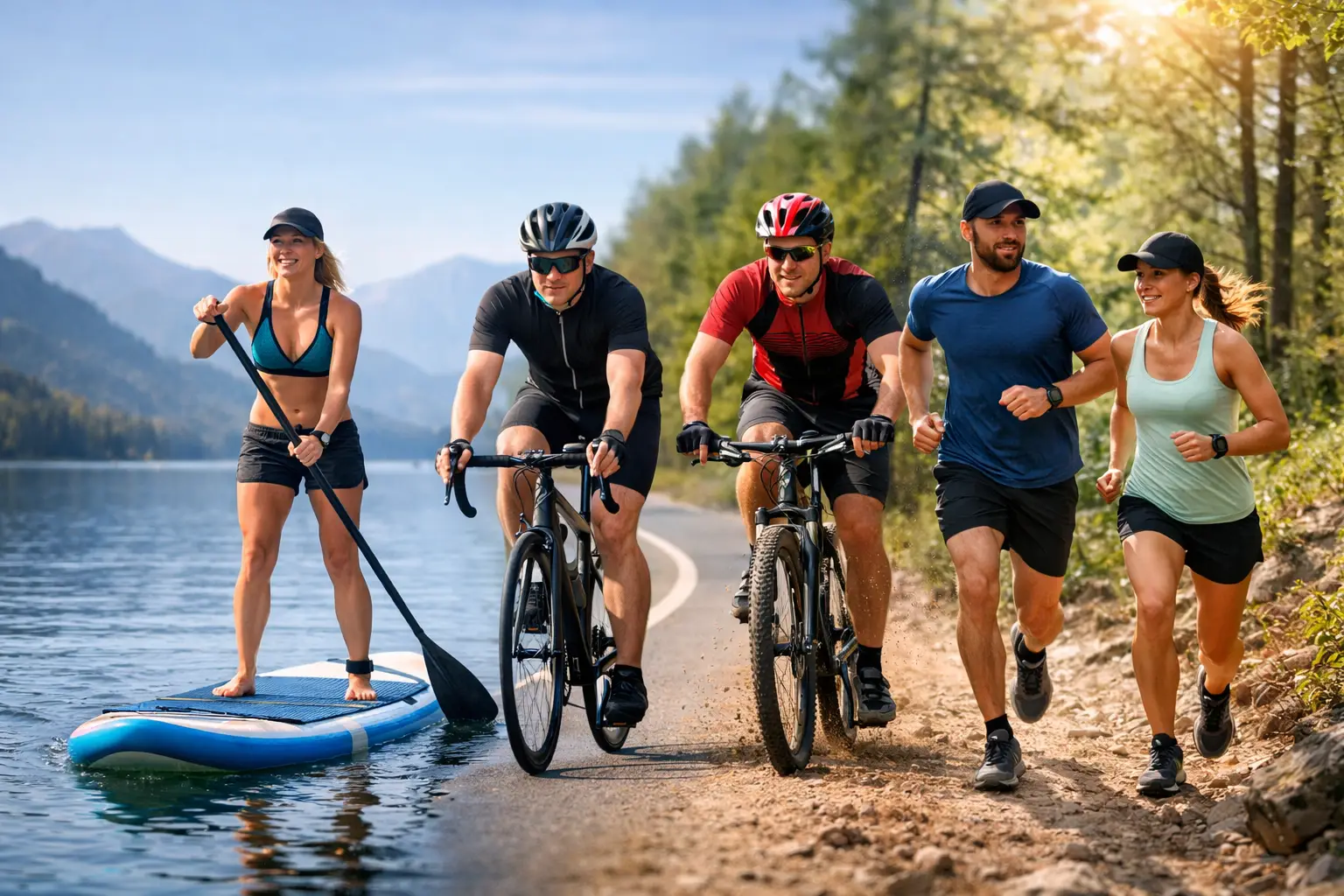
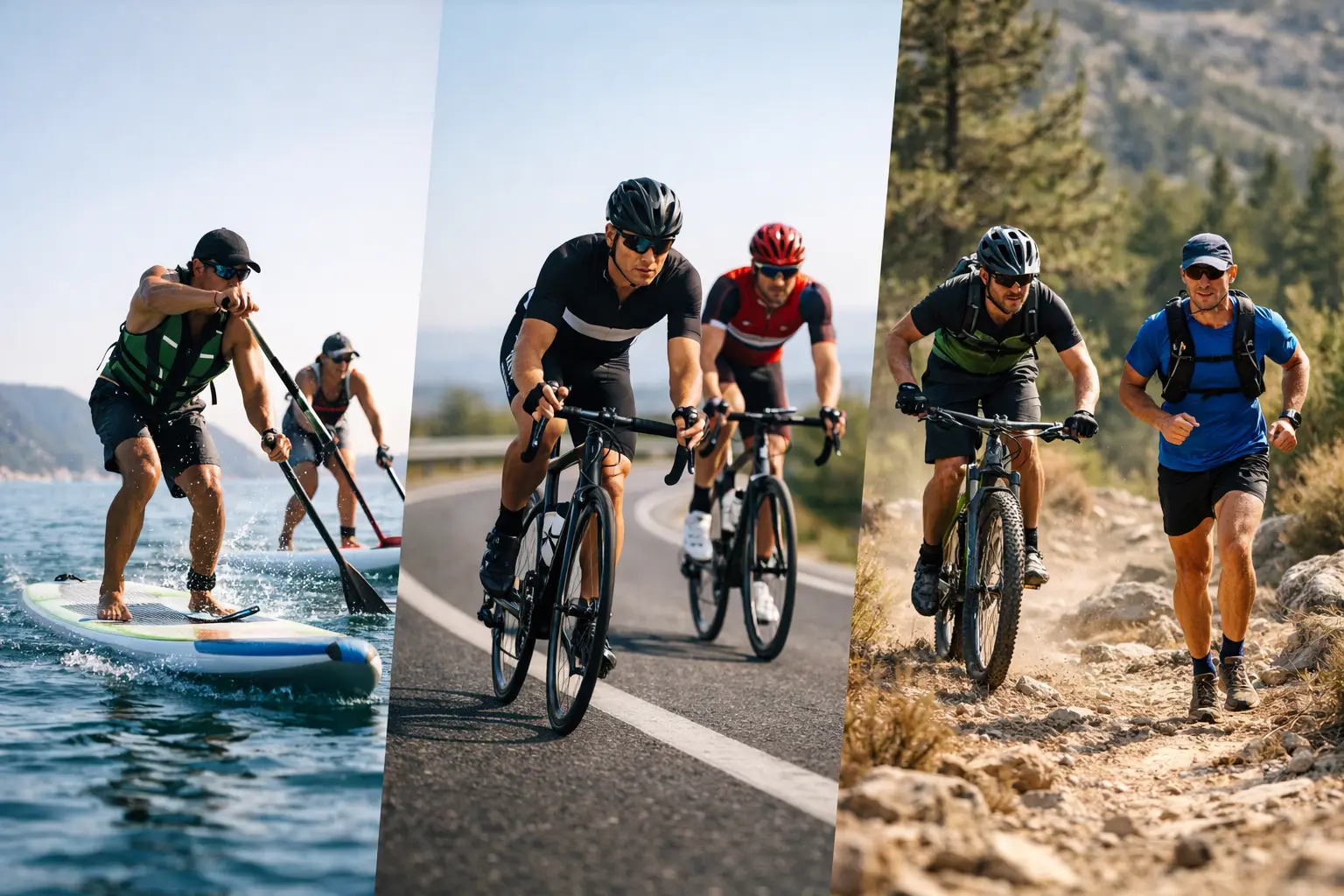
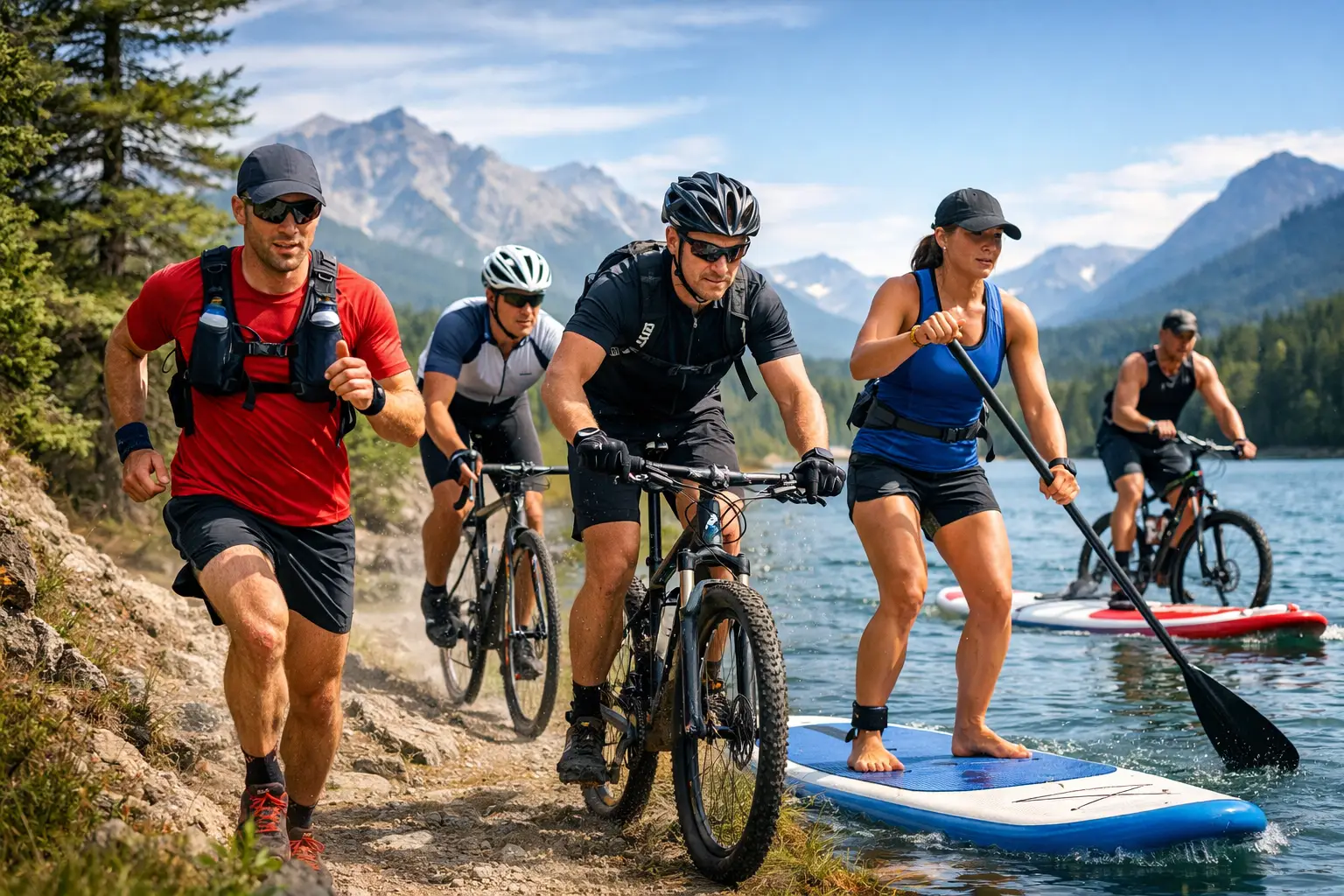
That matters for recreational athletes who enjoy variety. It also matters for people who may not see themselves in traditional triathlon culture but still love endurance sport. Swap the pool or open-water swim for stand up paddleboarding, combine it with cycling and trail running, and suddenly the event feels fresh, modern and far more connected to outdoor adventure.
This kind of format rewards adaptability as much as fitness. You need endurance, but you also need pacing, transitions, focus and a willingness to stay composed when conditions are less than perfect. That creates a more rounded challenge. It can also make the event feel more accessible to people who want something demanding but not locked into one old model of what an endurance race should look like.
That is one reason unconventional formats stand out so strongly. They turn participation into a story. You are not just saying you raced at the weekend. You are saying you paddled, rode and ran your way through a proper outdoor challenge.
Outdoor fitness challenge events build community fast
One of the biggest strengths of these events is what happens around the race itself. People come for the challenge, but they often return for the atmosphere.
Outdoor sport tends to bring out a more open and generous side of participation. Maybe it is the shared conditions. Maybe it is the fact that everyone knows the course will ask something of them. Either way, there is often less posturing and more encouragement. That creates a welcome shift for newcomers and a more enjoyable experience for seasoned competitors.
A strong event community is not accidental. It comes from good planning, clear communication and an organiser that understands people need support as well as adrenaline. Registration needs to be straightforward. Race briefs need to be clear. Marshals need to be visible. Facilities matter. Spectators matter. Even simple extras like camping or social space can turn a race day into a full experience.
When that side is done well, the event becomes bigger than the course itself. It becomes something people talk about in group chats, book with friends and put in the diary before entries even open.
Who these events suit best
The short answer is more people than you might think.
Outdoor challenge formats are ideal for active adults who already train in some form and want a goal that feels exciting rather than repetitive. That includes runners looking for a new test, cyclists who want to mix up their season, paddleboarders keen to race in a broader format, and triathletes ready for something less conventional.
They also work brilliantly for people who sit in the middle ground. Not beginners in the absolute sense, but not hardened racers either. These are the entrants who want a motivating target, a strong sense of occasion and enough structure to feel confident signing up.
Corporate groups are another good fit, especially when the event creates a shared experience rather than a narrow performance contest. Team entries, support on the day and a memorable setting can turn a challenge event into something far more effective than another generic away day.
That said, not every outdoor event suits every person. If someone wants a pure speed-focused PB course, technical trail or mixed-discipline formats may not be the right match. If they dislike variable conditions, open terrain or the unpredictability that comes with real outdoor sport, they may prefer more controlled environments. The appeal here is the blend of challenge and adventure. If you only want one of those, it is worth choosing carefully.
What to look for before you enter
The most exciting event in the world still needs to be well organised. Good branding gets attention, but strong delivery is what earns trust.
Look at the format first. Is it clear what the disciplines involve, how long each section is, and what level of preparation makes sense? Then look at the event infrastructure. You want sensible logistics, proper safety cover, experienced marshals, clear route marking and communication that answers real participant questions.
It is also worth checking the atmosphere the organiser is trying to create. Some events lean heavily into hard-core competition. Others are more lifestyle-led and welcoming. Neither is automatically better. It depends what will get the best out of you.
This is where a brand like SUPBIKERUN has a real advantage. The format is distinctive, the challenge is genuine, and the whole experience is built around adventure, support and community rather than tired race-day formula.
Training for the experience, not just the result
Preparing for outdoor fitness challenge events is different from training for a flat, predictable race. You still need fitness, of course, but you also need range.
That means building endurance across the disciplines involved, getting comfortable with terrain, and practising how you manage effort when conditions shift. Wind, mud, uneven ground and transitions all change the feel of an event. The athletes who enjoy these races most are usually the ones who train with that reality in mind.
It also helps to remember what success looks like. For some, it is a podium place. For others, it is finishing strong, staying composed and enjoying the day. A good challenge event respects both goals.
That is the real power of this category. It asks plenty of you, but it gives plenty back. Fresh air, proper effort, shared experience and a finish line that feels like it belonged to more than just the stopwatch. If you want an event that gets you outside, tests your engine and reminds you why you started doing this in the first place, this is a very good place to look.