
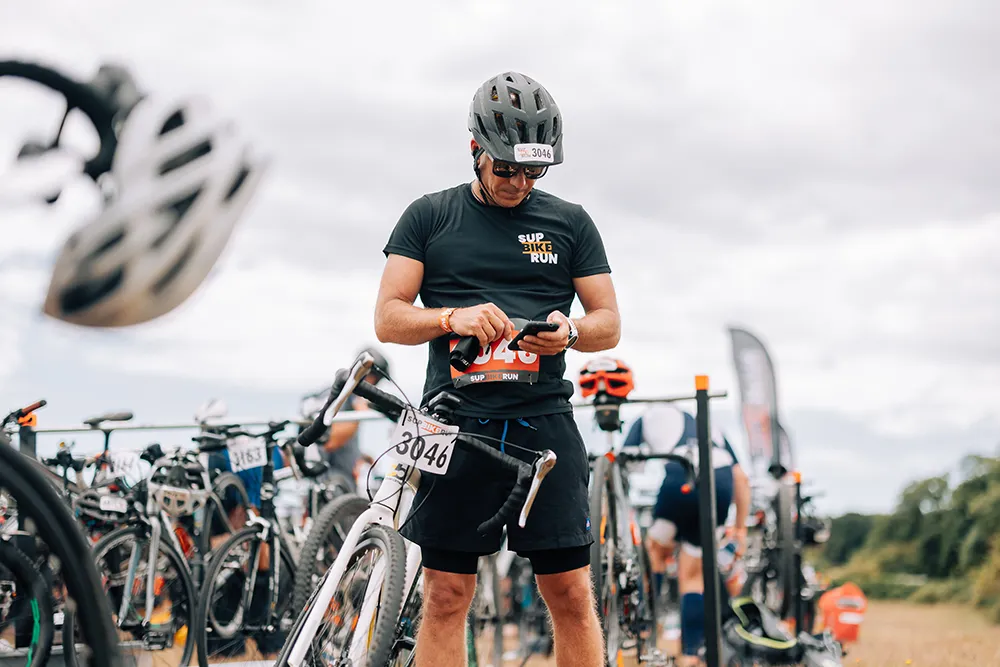
Race morning has a habit of making simple things feel complicated. The paddleboard leash you packed three days ago suddenly seems to have vanished, your bike tyres feel suspiciously soft, and breakfast becomes a bigger decision than it should be. That is exactly why a solid guide to multisport race day preparation matters. When your event includes paddleboarding, cycling and trail running, good prep does more than save time – it helps you settle your nerves, trust your routine and enjoy the day properly.
This is not about turning adventure into admin. It is about arriving ready, moving through transitions with confidence, and giving yourself the best chance of a strong, enjoyable race.
Your guide to multisport race day preparation starts the night before
If race day begins at the car park, you are already behind. The easiest wins happen the evening before, when you can think clearly and avoid frantic last-minute decisions.
Pack in stages rather than throwing everything into one bag and hoping for the best. Lay out your paddle kit, bike kit, run kit, nutrition, race documents and post-race warm layers separately. Then check each group against the event guidance. In a multisport event, especially one built around outdoor adventure, small oversights become big frustrations. Forgetting socks is annoying. Forgetting a pump, safety pins or your hydration pack is more disruptive.
Your board, paddle and leash deserve the same attention as your bike. Check the board is inflated to the recommended pressure if you are using an inflatable. Make sure the fin is fitted properly, and inspect anything that clips, straps or fastens. On the bike, test brakes, gears and tyre pressure. For the run, think trail-specific rather than road habits. Shoes with the right grip for the terrain are usually worth more than shaving a few grams.
The night before is also the time to make pacing decisions. Be honest about your strengths. Some racers will gain time on the board and aim to stay controlled on the run. Others will treat the paddle as a steady opener and look to move later. There is no universal best strategy. There is only the one that fits your fitness, technical confidence and the course.
Eat, drink and sleep like a racer, not a martyr
You do not need a heroic carb-loading ritual or a massive pre-race dinner. You need food you know works. Familiar beats fashionable every time.
Aim for an evening meal that feels normal, filling and easy to digest. Keep hydration steady through the day rather than trying to fix everything in one go before bed. If your race is early, sort breakfast ingredients in advance so you are not improvising at dawn.
Sleep matters, but so does perspective. Plenty of people race well after a patchy night because nerves are part of the deal. One imperfect sleep before an event will not undo weeks of training. Chasing perfect rest can create more stress than it solves. Get to bed in good time, keep your routine calm, and accept that excitement is not the enemy.
Race morning: simple, early, calm
The best race mornings feel slightly boring. That is a good sign.
Set off earlier than you think you need to. Adventure events often involve parking fields, uneven ground, kit carrying and a bit more movement between zones than a standard city race. Giving yourself extra time means you can queue, register, rack, warm up and absorb the atmosphere without that horrible rushed feeling.
Breakfast should be familiar and timed to suit your stomach. For some people that is porridge and a banana two to three hours before the start. For others it is toast, oats or a bagel with something light. If you normally have caffeine, have it as usual. Race day is not the moment to test a super-strong gel, a trendy supplement or a coffee twice the size of your normal order.
Once you arrive, walk through the flow of the event if you can. Know where you enter and exit each transition. Spot landmarks. Count rows. In a tired state, all transition areas start to look the same. A short walk-through while fresh can save minutes later.
The kit setup that makes transitions easier
A good transition setup is not the prettiest one. It is the one you can use quickly when your heart rate is high and your hands are clumsy.
Keep your space tidy and logical. Put kit down in the order you will use it. Helmet open and ready. Shoes positioned cleanly. Race number where you can grab it without rummaging. Nutrition visible, not buried in a side pocket. If the weather looks mixed, prepare for that too. A lightweight layer, cap or sunglasses can be worth having ready, but avoid turning your transition area into a camping pitch.
For paddle-to-bike and bike-to-run changes, simplicity wins. The more decisions you leave for the moment, the slower and messier the change becomes. If you know you will want socks for the run, lay them out. If you know you never use gloves in a race, do not pack them just in case.
This is where a proper guide to multisport race day preparation pays off. The event should feel exciting, not chaotic. Your setup should support that.
Pacing across three disciplines
One of the biggest mistakes in multisport racing is treating the first leg like a standalone effort. It rarely ends well.
The paddle leg can feel deceptively controlled, especially if the atmosphere is buzzing and the water is kind. But overcooking it early can leave your shoulders heavy and your breathing ragged when you hit the bike. The smartest approach is usually strong but sustainable. Stay efficient, settle into rhythm, and avoid wasting energy in a fight you do not need to have.
On the bike, ride with purpose but keep something in reserve for the run. Trail running rewards athletes who arrive with functioning legs and a clear head. If the course includes climbs, technical sections or uneven ground, pacing becomes even more important. There is no trophy for posting your best bike split if it leads to a grim final third on the run.
The run is often where race positions change, but it is also where preparation shows. If you have fuelled well, paced sensibly and stayed composed in transition, you are far more likely to run positively. That does not always mean fast from the first step. Sometimes it means settling for five minutes, then building.
Fuelling and hydration: enough, not excessive
Multisport racers often split into two camps – those who underfuel because they are too busy, and those who carry enough for an expedition. The right answer sits in the middle.
Base your plan on race duration, conditions and what you have used in training. A shorter event may need little more than a good breakfast, some fluid and one or two simple fuel options. A longer race, or one held in warm weather, needs more structure. Sip regularly rather than waiting until you feel flat. If you use gels, chews or bars, choose products you trust and keep them easy to access.
Weather changes everything. A cool, wet day in the UK creates different demands from a hot, still one. In heat, hydration and electrolytes move up the priority list. In colder conditions, people often forget to drink because they do not feel thirsty. Neither extreme changes the basic rule – practise your fuelling in training and avoid race-day experiments.
Stay adaptable when conditions shift
Adventure sport is part challenge, part problem-solving. Water conditions, wind, trail surfaces and temperature can all alter the feel of the race.
That is not a reason to panic. It is a reason to stay adaptable. If the paddle leg is choppier than expected, focus on balance and clean strokes rather than fighting for speed. If the bike course is wet, back your cornering off slightly and stay smooth. If the trails are muddy, shorten your stride and trust your footing instead of forcing the pace.
The athletes who cope best are not always the fittest. Often, they are the calmest. They adjust early, make sensible calls and keep moving well.
Use the atmosphere – do not get swallowed by it
One of the best things about this kind of event is the crowd, the community and the shared sense that everyone is taking on something a bit different. That energy can lift you massively. It can also drag you into racing somebody else’s day.
Stay in your own effort. Let the atmosphere sharpen you, not scramble you. Chat if it settles your nerves. Smile if it helps you reset. A race can be serious and enjoyable at the same time, and that balance is part of what makes events like SUPBIKERUN so memorable.
When the day starts to feel big, narrow your focus. Get to the first buoy. Settle into the next ten minutes on the bike. Run to the next marker. Small targets keep the whole thing manageable.
Final checks before the horn
In the last few minutes before the start, stop looking for problems. By then, the work is done.
Check you have what you need on your person, take a few steady breaths, and remind yourself of the first part of your plan. Not the whole race. Just the start. A calm first five minutes is worth far more than a frantic attempt to force the perfect beginning.
Race day preparation is not about stripping the adventure out of multisport. It is about creating enough order that you can enjoy the wild bit fully – the water, the trails, the effort, and the finish-line feeling you came for.