
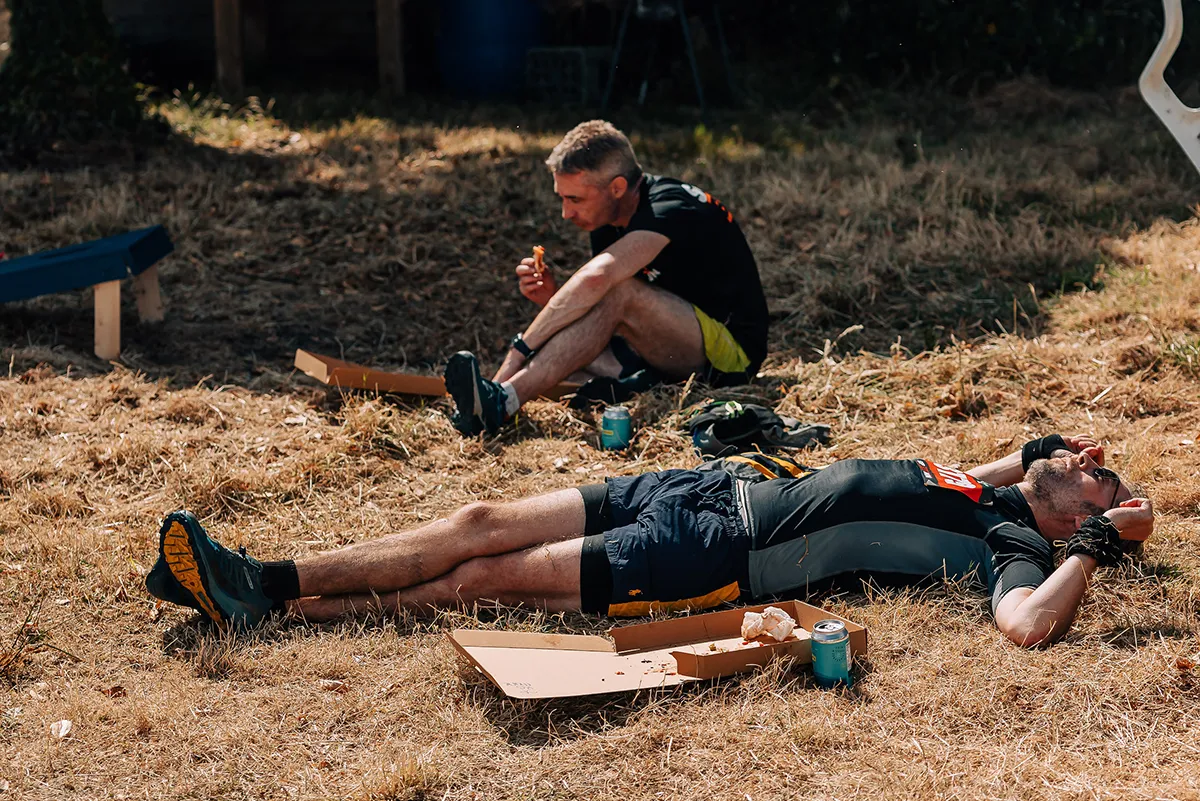
You crossed the finish line, grabbed the medal, swapped race stories and probably promised yourself you would never look at another hill again. Then comes the bit that decides how quickly you feel like yourself: recovery. Knowing how to recover after a multisport event means giving your body the same attention you gave your training, especially after a day of paddling, pedalling and running over proper outdoor terrain.
A multisport challenge creates a different kind of fatigue from a single-discipline race. Your shoulders and grip may be tired from the board, your quads may be cooked from the bike, and your calves may have plenty to say about those trails. Add travel, early starts, adrenaline and a less-than-perfect night of sleep, and it is no surprise if Monday feels rather heavy.
How to recover after a multisport event
The first 24 hours are about restoring the basics, not chasing a perfect recovery routine. Get dry and warm soon after finishing, particularly if the weather has been wet or cool. Keep moving gently while you wait for friends, collect kit or head back to camp, as suddenly stopping can leave stiff legs feeling even worse.
Start eating before you are ravenous. A snack containing carbohydrate and protein within a couple of hours is a sensible target: a sandwich, yoghurt with fruit, a milk-based drink, jacket potato with a filling, or whatever substantial food you can comfortably manage. Carbohydrate restores the fuel used during the event, while protein supports muscle repair.
You do not need to obsess over grams, powders or a stopwatch. The practical test is simple: eat a proper meal later that day, include protein in it, and keep topping up with normal food across the following day. If your appetite has disappeared after a hard effort, begin with something easy to digest and eat little and often.
Rehydrate steadily rather than forcing down litres at once. Water is useful, but after several sweaty hours an electrolyte drink, salty food or both can help replace sodium as well as fluid. Pale yellow urine is a helpful general sign that you are getting back on track. Clear urine all day and a bloated feeling can mean you are drinking more than you need.
Do the small jobs before they become big ones
Adventure events leave their evidence. Check your feet, toes, hands, lower back and any area where a strap, saddle or shoe rubbed. Clean and cover blisters, treat chafing early, and change out of damp kit. A small hotspot that feels manageable at the finish can be unpleasantly worse by the next morning.
If you have a knock, a swollen joint, worsening pain or pain that changes how you walk, do not try to prove toughness by training through it. Rest, protect the area and get advice from a qualified clinician if symptoms are severe, persistent or concerning. Breathlessness, chest pain, fainting, confusion or a severe headache after racing need urgent medical attention.
A celebratory pint can be part of the post-race atmosphere, but it is not recovery fuel. Alcohol can disrupt sleep and make rehydration harder, particularly when you are already depleted. Enjoy the finish-line buzz, eat first, drink water alongside it and save the bigger celebration for when you are properly recovered.
The next two days: recover without becoming static
The day after a big event can be deceptive. You may wake up feeling surprisingly capable, then find the stairs, your car seat or a short walk expose every tired muscle. Delayed onset muscle soreness commonly peaks 24 to 48 hours after unfamiliar effort, especially after technical descents, long climbs or a hard push on the bike.
Gentle movement usually beats doing nothing. A relaxed walk, easy spin, light paddle or a few minutes of mobility can reduce that locked-up feeling without adding more training stress. Keep it genuinely easy enough to hold a full conversation. This is not the moment for a ‘recovery’ ride that turns into a segment chase.
Focus mobility on the places that worked hardest: ankles and calves after trail running, hips and quads after cycling, and upper back, chest and shoulders after paddle boarding. Move through comfortable ranges rather than forcing deep stretches into sore muscles. A warm shower, bath or heat pack may feel good too, but none of these is a magic fix. The basics – food, fluids, sleep and sensible movement – do the heavy lifting.
Massage guns, compression boots and cold-water dips can be enjoyable additions if they help you relax. They are optional, not essential kit. Spend money on decent meals and a good night’s sleep before worrying about expensive recovery gadgets.
Sleep is your strongest recovery tool
The post-event night is not always perfect. You may be travelling, camping, buzzing with adrenaline or sharing stories long after you meant to turn in. That is part of an unforgettable weekend. Still, make the next few nights a priority.
Aim for a consistent bedtime, a cool dark room where possible, and a proper wind-down rather than scrolling through every finish-line photo in bed. A short nap can help if you are exhausted, but keep it earlier in the day if long naps stop you sleeping at night. Recovery is not won by one flawless evening; it is built through several quieter days.
When should you train again?
There is no universal answer, because the right return depends on your event distance, fitness, age, terrain, sleep, nutrition and how hard you raced. Someone who enjoyed a steady first SUPBIKERUN may be ready for light movement quickly. Someone who emptied the tank over a long course, battled cramp or has a history of injury may need longer.
Use readiness rather than guilt as your guide. You are moving in the right direction when your resting energy feels normal, soreness is easing, appetite is back, and an easy walk or spin does not make you feel worse later. Your first proper session should feel controlled and leave you with plenty in reserve.
For many recreational athletes, an easy session after one or two rest days is fine, followed by a gradual build across the week. Keep intensity, long distance and hard hills out of the plan until your legs respond well to easy training. If fatigue lingers beyond a week, your heart rate is unusually high at an easy effort, sleep is poor, or mood and motivation have dropped sharply, take extra recovery and consider professional advice.
Do not try to ‘make up’ missed training. Fitness does not disappear in a few restful days, while forcing a hard session into a tired body can turn one brilliant weekend into a niggle that steals several weeks.
Recover your head as well as your legs
There is a mental comedown after a big event too. You have spent weeks fitting sessions around work, family and weather forecasts, then suddenly the target is gone. It is normal to feel flat after the excitement. Give yourself permission to enjoy the achievement before setting the next challenge.
Share photos, thank the people who supported you, and write down what worked while it is fresh: the kit you loved, the snack that saved you, the hill that caught you out, and the moment that made the whole day worthwhile. That is useful learning, not overthinking.
Then let recovery be part of the adventure. Eat well, sleep deeply, move gently and wait until the urge to get outside returns on its own. The next trail, ride and paddle will feel even better when you arrive with a body that is ready for it.