
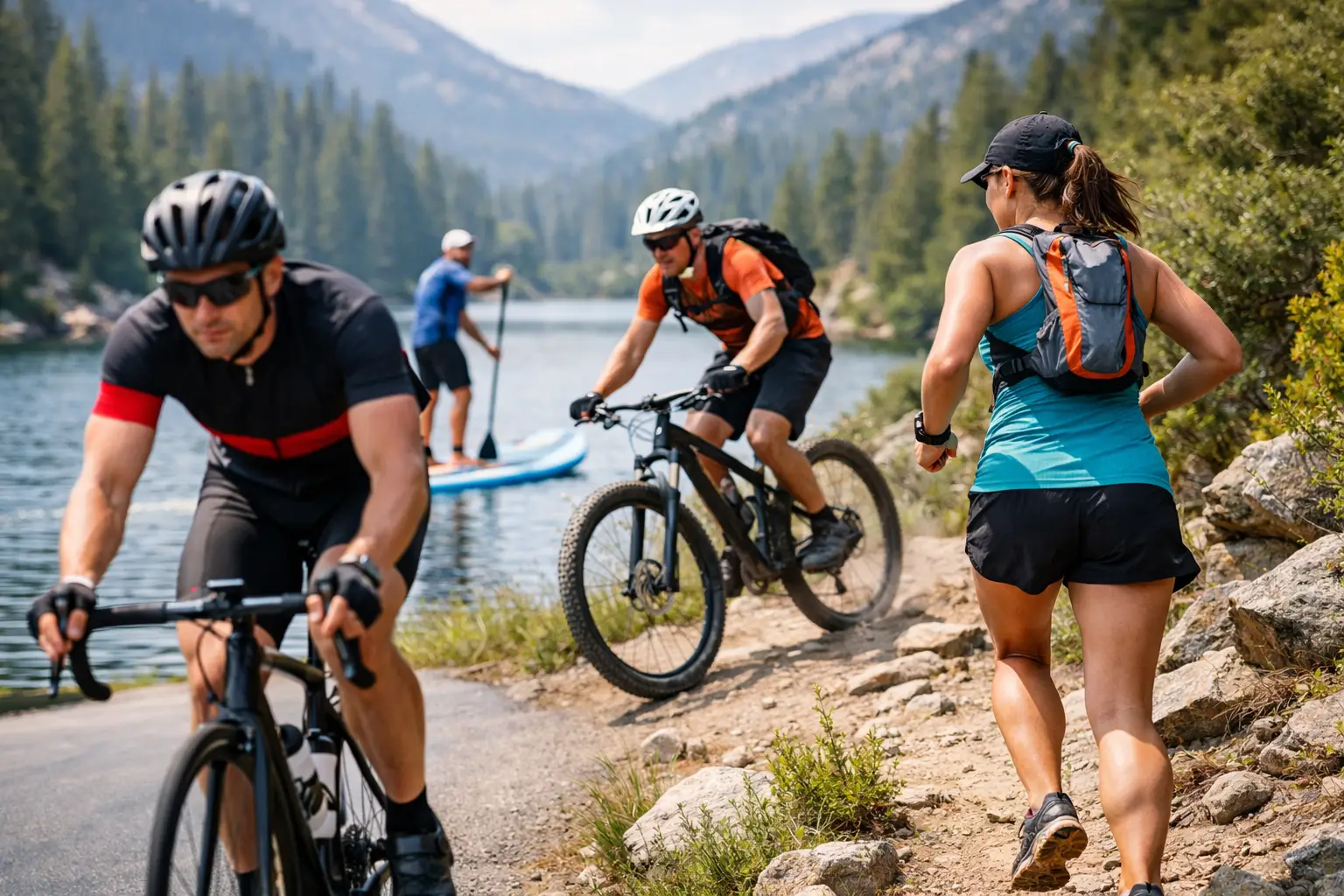
The first hill feels brilliant. The second is where you discover whether breakfast was a winning move or a bad gamble. The best adventure race nutrition ideas are not about eating perfectly or carrying a chemistry set in your pack. They are about arriving fuelled, eating little and often, and choosing food you can manage when your hands are muddy, your legs are working and the next transition is calling.
A SUP, bike and trail run event asks different questions of your body across the day. Paddling can leave you exposed to wind and sun, the bike section rewards steady energy, and the run has a way of making a heavy stomach feel even heavier. Build a simple plan, practise it on training days, then keep race day familiar.
Start With a Breakfast You Trust
Race morning is not the time to test a giant café breakfast, a new supplement or three double espressos. Eat a carbohydrate-led meal two to three hours before your start time, with a little protein if that normally sits well. Porridge with banana and honey, toast with jam and yoghurt, or a bagel with peanut butter are all solid options.
The goal is topped-up energy without feeling stuffed. If an early start makes a full meal difficult, have what you can beforehand and bring a small top-up for the final 30 to 60 minutes. A banana, a few chews or half a flapjack can bridge the gap. Keep fibre and very rich foods lower than usual if they tend to unsettle your stomach.
Best Adventure Race Nutrition Ideas for Your Kit
Your race food has to earn its space. It should be easy to open, easy to chew, unlikely to melt into a mystery paste and familiar to your gut. Aim for portable carbohydrates, then add variety so you do not spend the final kilometres forcing down the same sickly-sweet gel.
Useful options include:
- soft cereal or oat bars, cut into smaller pieces
- bananas, dried mango or dates for simple, real-food energy
- energy chews, gels or jelly sweets for quick carbohydrates
- small jam sandwiches, rice cakes or boiled salted potatoes for longer days
- pretzels, crackers or salted nuts when you are craving something savoury
There is no prize for choosing the most technical-looking fuel. Some athletes love gels because they are fast and predictable. Others find a small cheese-and-pickle sandwich more appealing after hours outside. It depends on the event distance, temperature, intensity and what you have trained with.
For a shorter, hard effort, quicker carbohydrates may be enough. For a longer adventure race, combine them with a few savoury or more substantial bites. The key is not waiting until you are empty. By then, your energy, decision-making and mood can all head downhill together.
Pack food in portions, not one big bag
Put each hour’s rough supply in a separate pocket or reusable bag before you leave home. It removes guesswork when you are tired and makes it easier to see what you have actually eaten. Keep one emergency option somewhere safe too – a gel, chews or a bar that stays dry and accessible if conditions turn wild.
If your event includes transitions, use them wisely. A labelled grab bag can hold the food you want after paddling or at the start of the run. That is far more useful than realising your favourite snack is buried under a waterproof layer at the bottom of your kit bag.
Eat Early, Then Eat Little and Often
A practical starting point for many recreational racers is to take in roughly 30 to 60 grams of carbohydrate each hour once the event is under way. Longer or harder efforts can require more, but increasing your intake takes practice. Your stomach needs training just as much as your legs do.
Set a simple prompt on your watch if you are likely to get carried away by the course. A few mouthfuls every 20 to 30 minutes is often easier than stopping for a big feed once an hour. It also helps prevent the classic adventure-race error: feeling fine, forgetting to eat, then suddenly becoming ravenous and flat.
Start fuelling during the earlier stages, even if you do not feel hungry. Adrenaline can disguise appetite, particularly at the beginning. By the time hunger arrives, you may already be behind.
Hydration Is More Than Carrying Water
Water matters, but the right amount changes with weather, pace, your body size and how much you sweat. A cool day in the Lake District does not demand the same plan as a warm, exposed day in Devon. Drink regularly to thirst and pay attention to conditions rather than copying someone else’s bottle schedule.
For events lasting several hours, an electrolyte drink or electrolyte tablets can be useful, especially when it is warm or you know you leave salty marks on your kit. Sodium supports fluid balance and can make plain water easier to keep drinking. It is not a magic fix for poor preparation, though. Do not use race day to suddenly double your electrolyte intake.
Carry fluids in a format you will genuinely use. A bottle is simple and easy to monitor on the bike. A hydration vest can be brilliant on longer trail sections, but only if it fits properly and you have practised drinking from it. For paddleboarding, make sure bottles are secure and accessible without turning every sip into a balancing act.
Make Transitions Work for You
Transitions are not just about changing shoes and chasing seconds. They are a chance to reset. Take a few proper mouthfuls of fluid, grab the next portion of food and check that what you need is where it should be.
Keep it quick and calm. A familiar routine might be: finish the section, drink, eat a few bites, refill or swap bottles, then move on. You do not need to stand still for ten minutes, but rushing past a chance to fuel can make the next discipline unnecessarily tough.
For SUPBIKERUN-style multi-discipline racing, plan around the moments when eating is easiest. Most people can fuel comfortably on the bike, take small sips while paddling, then rely on chews or a gel before and during the run. Your own rhythm may differ, which is exactly why training sessions matter.
Practise the Messy Bits in Training
The best nutrition plan on paper can fail because a wrapper will not open with cold fingers or a bar becomes impossible to chew while breathing hard uphill. Rehearse the reality. Eat the same foods on a ride with hills, during a trail run and, if possible, after a paddle when you are wet and tired.
Try opening packets with gloves on. Find out whether a flask is easier than a bottle in cold weather. See if sweet food becomes unbearable after two hours. These details are not glamorous, but they are where good race days are built.
Avoid copying a friend who can live on gels, or following a social-media challenge that promises a miracle. Your ideal plan is personal. If you have diabetes, gastrointestinal conditions, allergies or a medical concern that affects fuelling, get individual advice from an appropriately qualified professional before event day.
What to Avoid the Week Before
You do not need an extreme carbohydrate-loading ritual for every adventure event. In the final days, eat normal balanced meals with a little extra carbohydrate as your training volume drops: potatoes, rice, pasta, bread, oats and fruit all do the job. Stay well hydrated, but do not force litres of water just because race day is approaching.
The night before, choose a meal you enjoy and know works. A straightforward pasta dish, rice bowl or baked potato with a familiar protein source is plenty. Keep alcohol modest or skip it, particularly if you want to wake up ready for an early start and a big day outdoors.
Race nutrition is not about being precious. It is about giving yourself the energy to enjoy the paddle, push the pedals, take on the trails and still have enough left to celebrate at the finish. Pack food you like, test it before the big day, and let every small bite keep the adventure moving forward.