
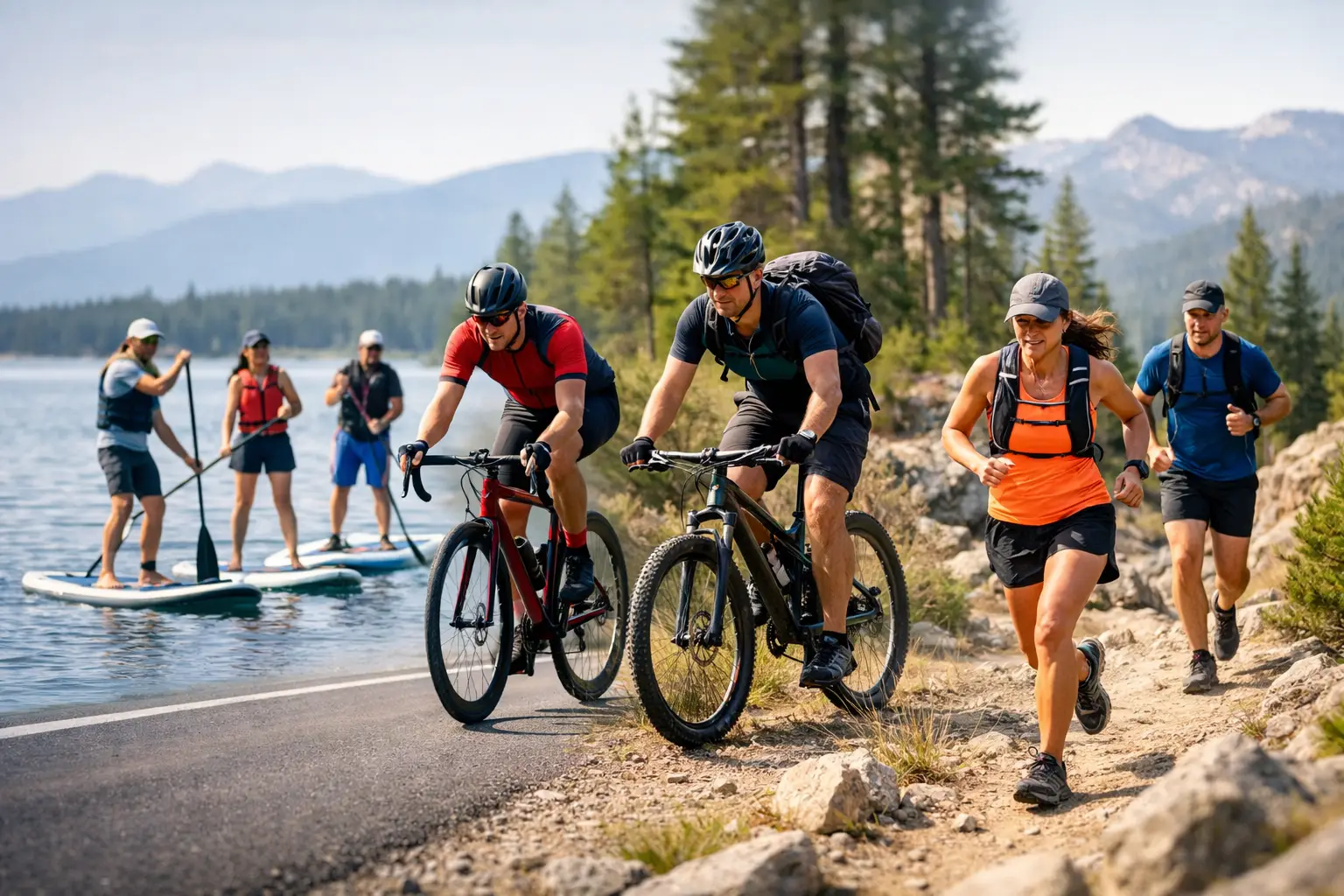
The best stories rarely begin with a solo start line. Group event discounts give your adventure crew a brilliant reason to stop talking about doing something big and actually commit to it. One weekend, one shared challenge, plenty of mud, trail miles, paddle strokes and the kind of finish-line buzz that lasts far longer than the journey home.
Whether you are gathering workmates, your running club, a cycling crew or the friends who always say they are up for it, booking together can make an adventure triathlon feel simpler, more affordable and much more memorable. The key is getting the practical bits right before the group chat turns into 86 unread messages.
Why group event discounts change the whole weekend
A discounted group entry is not just about spending less per person. It is about giving your people a clear reason to say yes. Endurance events can feel like a big commitment when someone is booking alone, especially if paddle boarding, off-road cycling or trail running is outside their usual routine. Turn it into a shared plan and the challenge becomes part of the appeal.
There is also a useful bit of healthy pressure. When eight friends have agreed to train, travel and camp together, the chances of everyone sticking with the plan are far higher. That does not mean every person needs to be chasing a podium. A great group has mixed strengths: the confident cyclist, the trail runner who knows how to keep spirits high on a climb, the paddler who brings calm to the water, and the friend whose job is clearly snacks and morale.
For corporate teams, the value goes further. A proper outdoor challenge strips away the usual office hierarchy quickly. You see who plans ahead, who adapts when conditions change and who gives others the nudge they need at a tough moment. That is team building with a finish line, not another afternoon in a meeting room.
How group event discounts usually work
Every event has its own entry structure, so never assume that a larger group automatically receives the biggest possible saving. Group event discounts may depend on the number of entries, the event date, ticket availability and whether your booking is a friends-and-family group, a club or a corporate package.
The smartest move is to identify one organiser early. They do not have to become the group’s unpaid admin department, but one point of contact keeps names, payment deadlines and questions in one place. It also helps the event team give clear, accurate guidance rather than trying to untangle several separate enquiries.
Before anyone pays, agree what is included. Entry is only one part of the weekend. Your group may also need to consider camping, travel, bike transport, paddleboard hire or equipment, food and any optional extras. A lower entry price is helpful, but the best deal is the one that suits how your crew actually wants to take part.
Know your numbers before you enquire
A vague message saying, “There could be loads of us,” is hard to build a plan around. Get a realistic headcount first, even if a few names are provisional. Ask everyone to confirm whether they are definitely in, interested but waiting for payday, or only coming to support.
Then be clear about the type of group you are bringing. A group of friends often wants flexible plans and a lively weekend atmosphere. A club may want to race in the same wave or make a proper weekend of it. A workplace team may need an invoice, a single payment route and enough notice for internal approval.
The more accurate your starting point, the faster you can get from “we should do this” to a group that is genuinely booked in.
Build a crew with different goals, not identical abilities
The strongest adventure teams are not always the fastest. They are the ones where every person understands the goal of the day. For some, it is finishing their first multi-discipline event. For others, it is beating a personal target. For plenty of people, it is simply having a huge weekend outdoors with their mates.
That mix works well, as long as expectations are discussed upfront. If half the group wants a hard race effort and half wants a social adventure, there is no problem with that. Just make sure nobody feels dragged into a pace or plan that does not suit them.
SUPBIKERUN is built for exactly this kind of shared challenge: paddle boarding, cycling and trail running in one unforgettable event format. It is demanding enough to give everyone a proper sense of achievement, while the atmosphere stays welcoming for people who are there for the adventure as much as the stopwatch.
A little preparation helps the whole group arrive confident. Encourage people to practise the discipline that feels least familiar, rather than only doing more of the activity they already love. A strong road cyclist may need time on trails. A quick runner may need to get comfortable balancing and paddling. The aim is not perfection. It is arriving ready to enjoy the full experience.
Make the logistics part of the plan
Great group weekends are usually won before race day. Sort travel, sleeping arrangements and kit early, then leave room for the unexpected. If you are camping, decide who is bringing shared essentials such as a shelter, stove, pump, tools and a decent stash of tea and coffee. Nobody wants to discover at 6am that six people packed energy gels but nobody packed mugs.
Bike transport needs thought too. Check that every bike is roadworthy, that tyres suit the route and that riders have the basic kit to fix a puncture. Paddleboard plans should be equally practical. If participants are bringing their own boards, make sure they understand the event requirements and have allowed time for inflation, set-up and carrying equipment.
Do not overlook arrivals. A group that turns up in dribs and drabs can make registration and pre-event nerves more complicated than necessary. Set a meeting point, share a realistic arrival time and nominate one person to keep an eye on the last-minute messages. It sounds basic because it is basic, but it protects the relaxed start everyone wants.
Four questions worth asking before you book
- What group size is needed for the available offer or package?
- Does one person need to make the booking, or can individuals use a shared group code?
- What payment date applies, and can places be transferred if someone cannot attend?
- What event-day support, camping options and equipment requirements should every participant know?
Policies matter, particularly when you are coordinating several diaries and budgets. Read the booking terms, cancellation position and transfer rules rather than relying on what happened at a different event last year. A professionally run event will make these details clear, and a well-organised group will share them before collecting anyone’s money.
Corporate groups: choose challenge over forced fun
A corporate adventure day works best when it feels like a genuine event, not a branded away day with a token activity attached. Give people a reason to be proud of taking part. The paddle, bike and run format naturally creates opportunities for encouragement, problem-solving and plenty of stories afterwards.
There is a balance to strike. Some teams will want competitive goals, team kit and a big post-race celebration. Others will need a more inclusive approach, with participants choosing a challenge level that feels achievable. Neither is better. The right approach depends on your team, their experience and whether the priority is performance, participation or a mix of both.
If your organisation is covering the cost, communicate early and plainly. Explain what is included, whether staff need to contribute, how travel will work and what level of fitness preparation is sensible. People are much more likely to join when the invitation feels exciting but honest.
Turn the saving into a better experience
If group entry saves each person a little money, resist the urge to let the plan become more complicated just because the budget has opened up. Put that saving towards the things that make the weekend better: arriving the night before, sharing a campsite, bringing a supporter along or enjoying a proper meal together after the finish.
The moments people remember are rarely administrative. They remember the first cold paddle stroke, the laugh after someone gets a bit too close to a muddy corner, the friend waiting at the top of a climb, and the noise your crew makes when the last person comes through the finish.
Get your names together, choose the challenge that gives everyone a reason to push on, and ask the practical questions early. Then let the group chat do what it does best: build anticipation for a weekend worth showing up for.